Gen Alpha and the Rise of Intelligent Personalized Brand Engagement
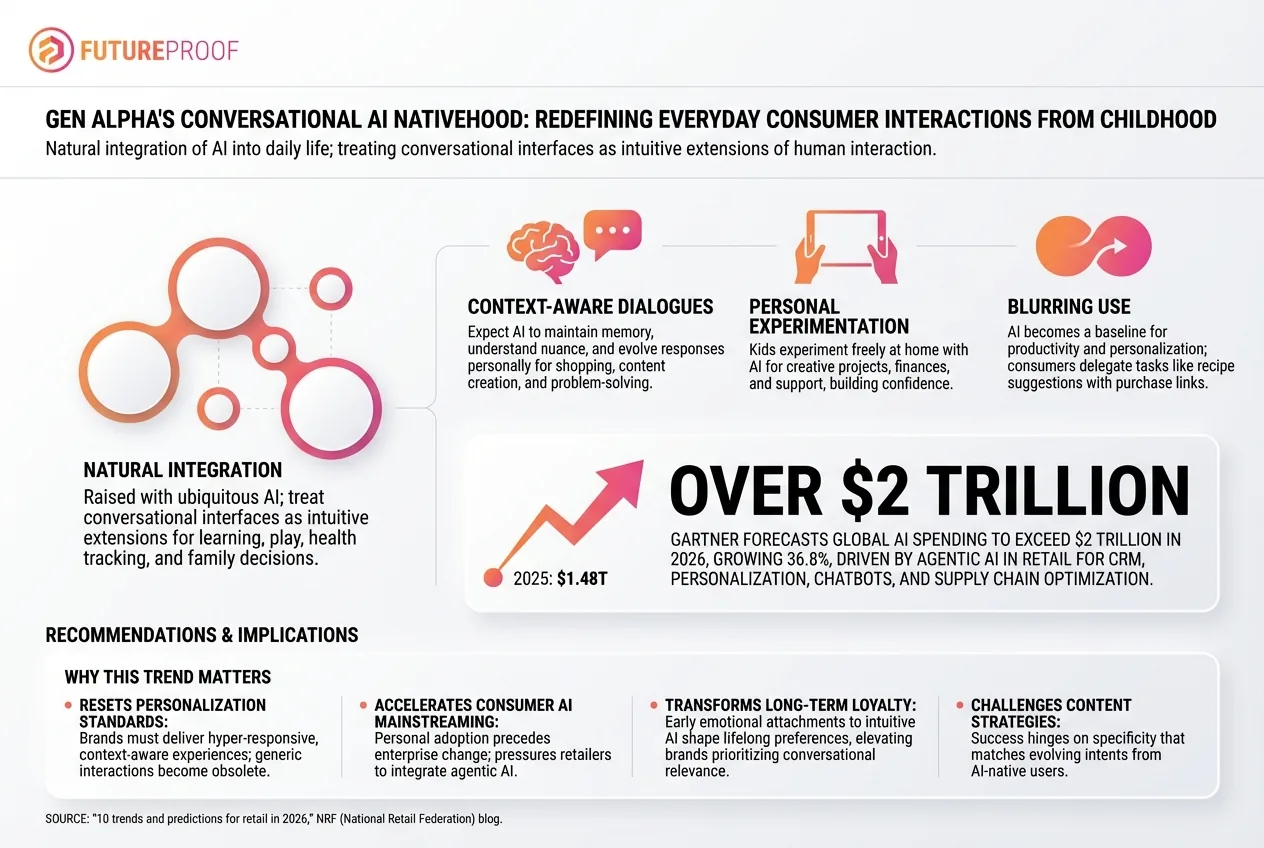
Gen Alpha is emerging as a transformative force in the consumer landscape, distinct from any generation before them. Born into a world where advanced technology is not merely present but interwoven into the very fabric of daily life, they are the first true conversational AI natives. For this cohort, artificial intelligence is not a novelty or a complex tool to be mastered; it is a natural companion, an intuitive extension of their thinking, learning, and interacting. This intrinsic relationship with AI is fundamentally reshaping how they engage with brands, setting an entirely new paradigm for consumer expectations and loyalty.
This generation moves with unparalleled fluidity from seeking information to making purchasing decisions, from creative expression to problem-solving, all seamlessly integrated with AI as an ever-present assistant. The foundational expectation Gen Alpha holds is for context-aware dialogue. They anticipate that an AI interaction will not begin from scratch with every query, but rather understand the historical context of their previous interactions, their preferences, and even their current emotional state. This isn't just about remembering a past purchase; it's about discerning intent, recognizing patterns in their behavior across multiple touchpoints, and leveraging that insight to provide truly relevant responses. Memory, therefore, becomes paramount. A brand's AI system must demonstrate an ongoing understanding of the individual's journey, remembering past questions, preferences, and even frustrations, ensuring a continuous and coherent experience that feels genuinely personal and respectful of their time and data.
Personalization, for Gen Alpha, transcends basic recommendations. It delves into predictive and proactive engagement, where the AI anticipates needs before they are explicitly stated. Imagine an AI companion suggesting specific learning resources based on a student's observed curiosity in a certain subject, then seamlessly transitioning to show related merchandise that aligns with their emerging interests, without a single jarring transition. This level of personalization is deeply rooted in understanding the user's intent, their evolving identity, and their multifaceted needs. Crucially, they demand seamless handoffs between tasks. If an AI is assisting with a research project, it should effortlessly pivot to helping them find related products for a school project, or even schedule a virtual consultation with a human expert if the query becomes too complex for the AI alone. The expectation is an unbroken chain of value delivery, irrespective of the underlying technology or human intervention.
For brands navigating this nascent era, these inherent expectations represent a monumental reset of the personalization bar. The days of generic, one-size-fits-all marketing campaigns or basic chatbot FAQs are rapidly drawing to a close. Such undifferentiated experiences will not only fail to capture Gen Alpha's attention but will actively alienate them. Their highly evolved digital literacy means they can instantly discern authenticity and value from mere superficiality. The future of brand engagement will be defined by context-rich, domain-specific, and highly responsive AI systems. This isn't just about an AI knowing a customer's name; it's about an AI understanding their lifestyle, their aspirations, their pain points, and offering solutions that are hyper-tailored to their immediate context. Loyalty, in this landscape, will be forged not through traditional advertising or broad brand messaging, but through the consistent delivery of these deeply personalized, intelligent, and useful AI interactions, often long before traditional marketing channels even enter the picture.
The shift is profound because AI is rapidly becoming the new front door for search, service, and shopping. Where previous generations might have started their journey with a Google search or a visit to a brand's website, Gen Alpha is increasingly turning to conversational AI interfaces as their primary point of contact. This might be through voice assistants, sophisticated chatbots integrated into social platforms, or even embedded AI companions within their favorite apps. In this environment, specificity becomes not just a desirable trait but a critical competitive advantage. Brands that invest in AI capable of understanding highly nuanced queries, delivering precise information, and guiding users through complex decision trees with expert-level knowledge in a particular domain will thrive. For instance, an AI specializing in sustainable fashion could not only recommend clothing but also explain supply chains, fabric origins, and ethical manufacturing practices, engaging Gen Alpha on a deeper, more values-driven level.
The financial world is keenly observing this transformation. Gartner, a leading research and advisory company, forecasts global AI spending to exceed a staggering $2 trillion in 2026. This represents a significant jump of 36.8 percent from $1.48 trillion in 2025, underscoring the rapid acceleration of AI adoption. This massive investment is largely driven by the burgeoning field of agentic AI, particularly within the retail sector, for critical functions such as CRM (Customer Relationship Management), personalization, sophisticated chatbots, and supply chain optimization. Agentic AI refers to systems capable of not just responding but also proactively taking action, making decisions, and even initiating tasks on behalf of the user or brand. These intelligent agents are precisely what Gen Alpha's demands for seamless handoffs and proactive personalization require.
In CRM, agentic AI promises to revolutionize how brands understand and manage customer relationships. Instead of reactive support tickets, imagine an AI assistant that monitors customer sentiment across various platforms, identifies potential issues before they escalate, and proactively reaches out with solutions or personalized offers. This level of foresight and proactive engagement builds deep trust and loyalty, especially with a generation that values efficiency and personalized attention. For personalization, agentic AI moves beyond static recommendation engines to dynamic, real-time tailoring of experiences. This could involve an AI adjusting product displays on an e-commerce site based on a customer's browsing patterns, current location, and even recent social media activity, creating a truly bespoke shopping journey.
Chatbots, traditionally viewed as basic FAQ machines, are evolving into sophisticated conversational agents powered by agentic AI. These next-generation chatbots can handle complex queries, manage multi-step transactions, provide expert advice, and even negotiate on behalf of the customer or brand. For Gen Alpha, who are accustomed to rich, interactive dialogue, these intelligent chatbots will serve as their primary point of contact for customer service, product inquiries, and even personalized shopping assistance. They expect these chatbots to remember past interactions, offer context-aware solutions, and even anticipate their next question, making the interaction feel less like talking to a machine and more like consulting a knowledgeable personal assistant.
Beyond customer-facing applications, agentic AI is also making significant inroads into supply chain optimization, which indirectly impacts Gen Alpha's experience by ensuring product availability and faster delivery. By leveraging AI to predict demand, optimize logistics, and manage inventory, brands can meet the high expectations of a generation that expects instant gratification and transparent, efficient service. An AI-optimized supply chain means less friction, fewer stockouts, and quicker fulfillment, all of which contribute to a superior overall brand experience that resonates with Gen Alpha's desire for seamlessness.
Brands that aspire to capture and retain Gen Alpha's loyalty must therefore adopt a strategic, AI-first mindset. This involves investing not just in technology, but in a holistic transformation of how customer interactions are designed and delivered. It means moving beyond superficial AI implementations to building robust, deeply integrated systems that can truly embody the core expectations of context-awareness, memory, personalization, and fluidity. The brands that lead in this space will be those that view AI as the primary interface for their customers, prioritizing conversational excellence and intelligent assistance as their most potent marketing and customer service tools. The future of brand engagement is conversational, intelligent, and profoundly personal, shaped by a generation that speaks the language of AI.