How Gen Z and AI Are Making Wellness the New Rule of Consumer Buying
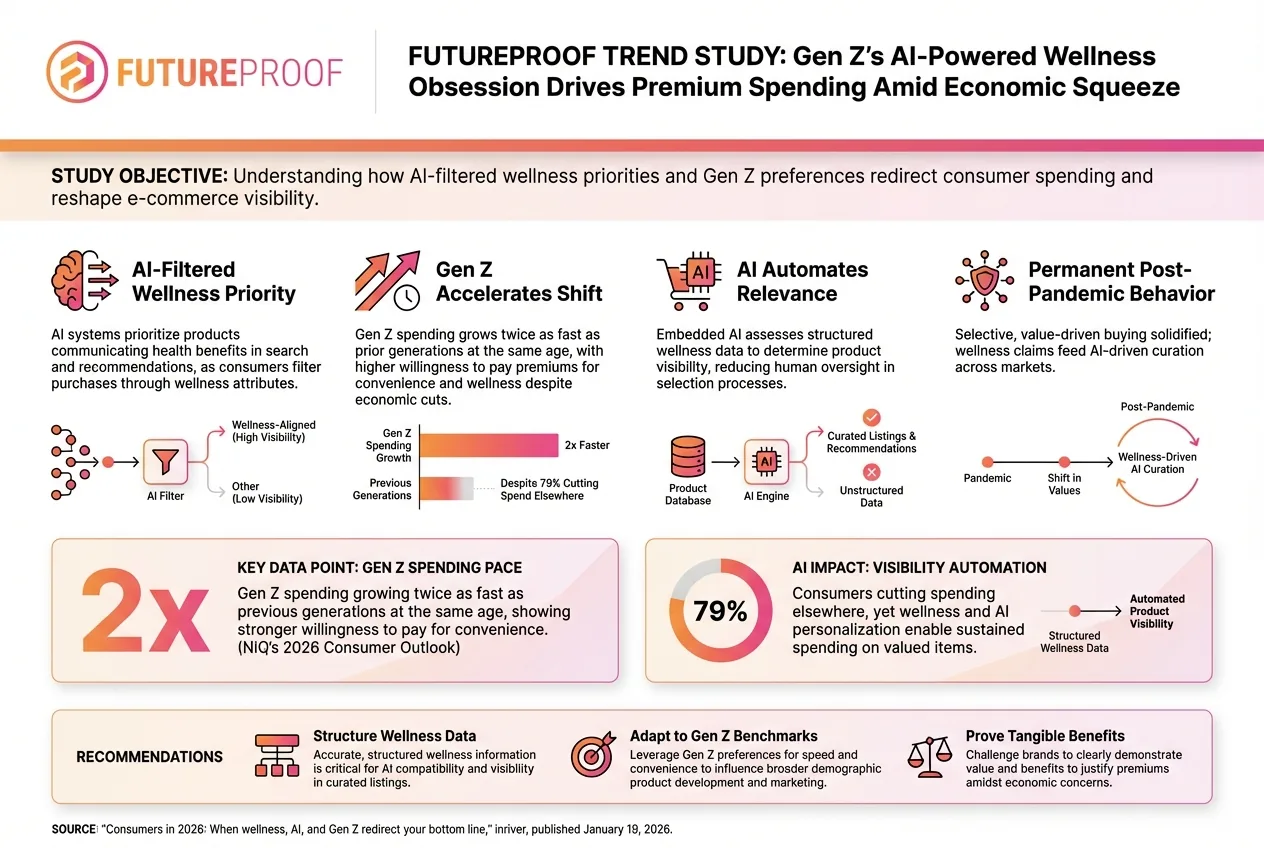
The modern consumer landscape is undergoing a profound and irreversible transformation, largely driven by the distinctive purchasing behaviors of Generation Z and the ever-increasing influence of artificial intelligence. Wellness, once a specialized niche, has rapidly ascended to become a foundational filter through which younger shoppers, and increasingly all consumers, evaluate products and services. This seismic shift is not merely a trend but a fundamental reordering of priorities, accelerated by AI systems that are learning to discern and prioritize products based on their clear, structured, and verifiable wellness attributes. Brands that fail to meticulously articulate these benefits in a machine-readable format face the significant risk of becoming invisible in a digitally-first marketplace, effectively disappearing from crucial search and recommendation results that dictate consumer discovery.
Gen Z stands at the vanguard of this monumental change. This demographic cohort, born roughly between the mid-1990s and the early 2010s, exhibits a spending growth trajectory that is remarkably swift, expanding twice as fast as previous generations at comparable life stages. This accelerated spending is not indiscriminate; it is strategically allocated, reflecting a heightened willingness to pay premiums for products that offer both convenience and align intrinsically with their wellness values. This premiumization occurs even amidst broader economic pressures, with a striking 79 percent of consumers reporting cutbacks in other spending areas. Such behavior signals a deep-seated conviction, transforming wellness and perceived value into indispensable criteria across an exhaustive array of product categories, from food and beverages to fashion, technology, and financial services. This isn't a fleeting fad; it is solidifying into a long-term norm, redefining what success looks like for brands aiming to capture the contemporary consumer's loyalty and wallet share.
The role of artificial intelligence in this paradigm shift cannot be overstated. AI systems, from sophisticated search algorithms to personalized recommendation engines and voice assistants, are the gatekeepers of digital discovery. These systems are inherently data-driven, designed to process, interpret, and present information in the most relevant and efficient manner possible to the end-user. For wellness-centric purchasing decisions, AI is evolving to prioritize products whose benefits are not only clearly stated but also precisely structured. This means moving beyond vague marketing jargon to verifiable, granular data points. Imagine an AI sifting through millions of products: it's not simply looking for the word "healthy." It's looking for "organic certified by USDA," "gluten-free according to FDA standards," "sustainably sourced palm oil certified by RSPO," "vegan friendly," "no artificial colors," or "ethically manufactured with fair trade practices." The more precise, credible, and consistently structured this information is, the higher the likelihood that the AI will surface that product to a consumer explicitly or implicitly searching for such attributes. Brands that cannot provide this level of detail risk being overlooked, their offerings remaining in the digital shadows, despite potentially offering superior products.
The shift towards wellness as a primary filter for purchasing decisions encompasses a broader definition than traditional physical health. For Gen Z, wellness is a holistic concept, extending to mental well-being, financial security, environmental sustainability, ethical sourcing, and social impact. They seek products that align with their values across all these dimensions. For example, a food product isn't just "good for you" if it's low in sugar; it's also "good" if its packaging is recyclable, its ingredients are sustainably grown, and its producers are paid fairly. A fashion item isn't just "stylish"; it's also "wellness-aligned" if it's made from recycled materials, manufactured under ethical labor conditions, and designed for durability to reduce waste. This comprehensive view of wellness demands a similarly comprehensive and transparent approach to product data from brands. Consumers, armed with more information than ever before, are increasingly discerning, leveraging tools – often powered by AI – to validate claims and make informed choices that resonate with their multi-faceted understanding of wellness. Their willingness to invest more in products that meet these criteria underscores a fundamental re-evaluation of value, where convenience and alignment with personal and planetary well-being often outweigh the lowest price point.
For brands navigating this evolving landscape, the path forward is undeniably clear: accurate, granular, and structured product data is no longer merely advantageous; it is unequivocally essential for AI visibility and ultimately, for market relevance. Wellness claims must transcend superficiality, becoming precise, credible, and, crucially, machine-readable. This necessitates a fundamental re-evaluation of how product information is gathered, managed, and disseminated. It means investing in robust Product Information Management (PIM) systems, mastering schema markup, and ensuring that every attribute, from ingredient lists and nutritional information to sustainability certifications and allergen warnings, is meticulously documented and tagged in a way that AI algorithms can effortlessly ingest, interpret, and leverage. The days of solely relying on compelling brand narratives or visually appealing marketing campaigns are diminishing; while these elements remain important, they must now be underpinned by an impenetrable foundation of verifiable, structured data.
Consider the intricacies of a "wellness attribute." It's not enough to simply declare a product "natural." AI systems, mirroring the skepticism of Gen Z consumers, will look for the specific percentages of natural ingredients, the absence of synthetic compounds, the sourcing origins, and any relevant certifications (e.g., COSMOS certified, ECOCERT). For "sustainable," AI will search for carbon footprint data, water usage metrics, recyclable content, post-consumer recycled (PCR) content percentages, and details about supply chain transparency. A product claiming "ethical sourcing" will need to back it up with fair trade certifications, labor practice audits, or evidence of community development initiatives. Without this level of detail, presented in a format AI can process, the claims remain unverifiable whispers in the vast digital noise. This precision fosters trust not only with the algorithms but, more importantly, with the discerning consumer who increasingly values transparency and authenticity above all else. Brands that master this integration of data precision and credible claims will establish a significant competitive advantage, winning both the algorithms that drive discoverability and the hearts and wallets of a generation that truly cares about what they consume.
The operational implications for businesses are substantial. Brands must begin by conducting a thorough audit of their existing product data to identify gaps and inconsistencies. This includes evaluating the completeness, accuracy, and structure of every piece of information associated with their offerings. Subsequently, strategic investments in advanced PIM or Master Data Management (MDM) solutions become imperative. These systems serve as central repositories for all product-related information, enabling consistent data enrichment, validation, and syndication across multiple channels. Collaboration between marketing teams, product development, data scientists, and SEO specialists is crucial to ensure that wellness claims are not only compelling but also technically optimized for AI interpretation. This cross-functional alignment will bridge the gap between brand storytelling and data architecture, ensuring that every wellness claim is backed by credible, machine-readable evidence. Furthermore, brands must actively pursue and highlight relevant certifications and third-party verifications. These external endorsements act as powerful trust signals for both AI algorithms and consumers, lending weight and credibility to internal claims. Refining messaging to be clear, concise, and factually grounded, avoiding ambiguity or hyperbole, will also be vital. The goal is to communicate wellness benefits in a manner that is both persuasive to humans and parseable by machines.
Moreover, the emphasis on transparency extends beyond just product attributes. Gen Z consumers are increasingly interested in the "how" and "why" behind a product – the brand's values, its manufacturing processes, its corporate social responsibility initiatives. AI systems, particularly those involved in brand reputation analysis, are beginning to incorporate these broader data points into their assessments. Brands that openly share their journey towards sustainability, their commitment to ethical labor practices, or their contributions to community welfare will find favor with both algorithms and consumers seeking holistic wellness solutions. This move towards radical transparency builds a deeper level of authenticity and trust, fostering a loyal customer base that resonates with the brand's overarching mission. The digital storefront is no longer just a place to display products; it's a platform to showcase a brand's entire ethos, all of which needs to be communicated through structured, verifiable data.
The acceleration of Gen Z's spending, driven by their heightened willingness to pay for wellness and convenience, as highlighted by inriver's "Consumers in 2026" report, underscores the urgency of this transformation. This isn't a future scenario; it is the current reality. Brands that perceive this as a distant challenge risk being left behind in an increasingly competitive and algorithm-driven market. The convergence of consumer values and technological capabilities has created an environment where structured wellness data is the new currency of visibility. Companies that correctly interpret this shift and proactively adapt their data management strategies will not only survive but thrive, capturing the loyalty of a powerful demographic that is reshaping global consumption patterns.
Ultimately, the confluence of Gen Z's values and AI's capabilities has forged a new imperative for brands: to speak the language of algorithms while resonating with the aspirations of a generation deeply invested in well-being. This requires a strategic overhaul, prioritizing the precision, credibility, and machine-readability of every wellness claim. Brands that invest in robust data architecture, embrace transparency, and meticulously structure their product information will unlock unparalleled visibility, ensuring their offerings are prominently displayed in the digital pathways that Gen Z frequently traverses. By doing so, they will not only win the algorithms that govern discovery but, more importantly, cultivate a deep, enduring connection with the consumers who are defining the future of commerce. This isn't merely about adapting to change; it's about leading the charge, recognizing that in the era of Gen Z and AI, wellness is the ultimate filter, and structured data is the key to unlocking its immense potential.