Gen Alpha Is Redefining Technology Through AI as Their Native Language
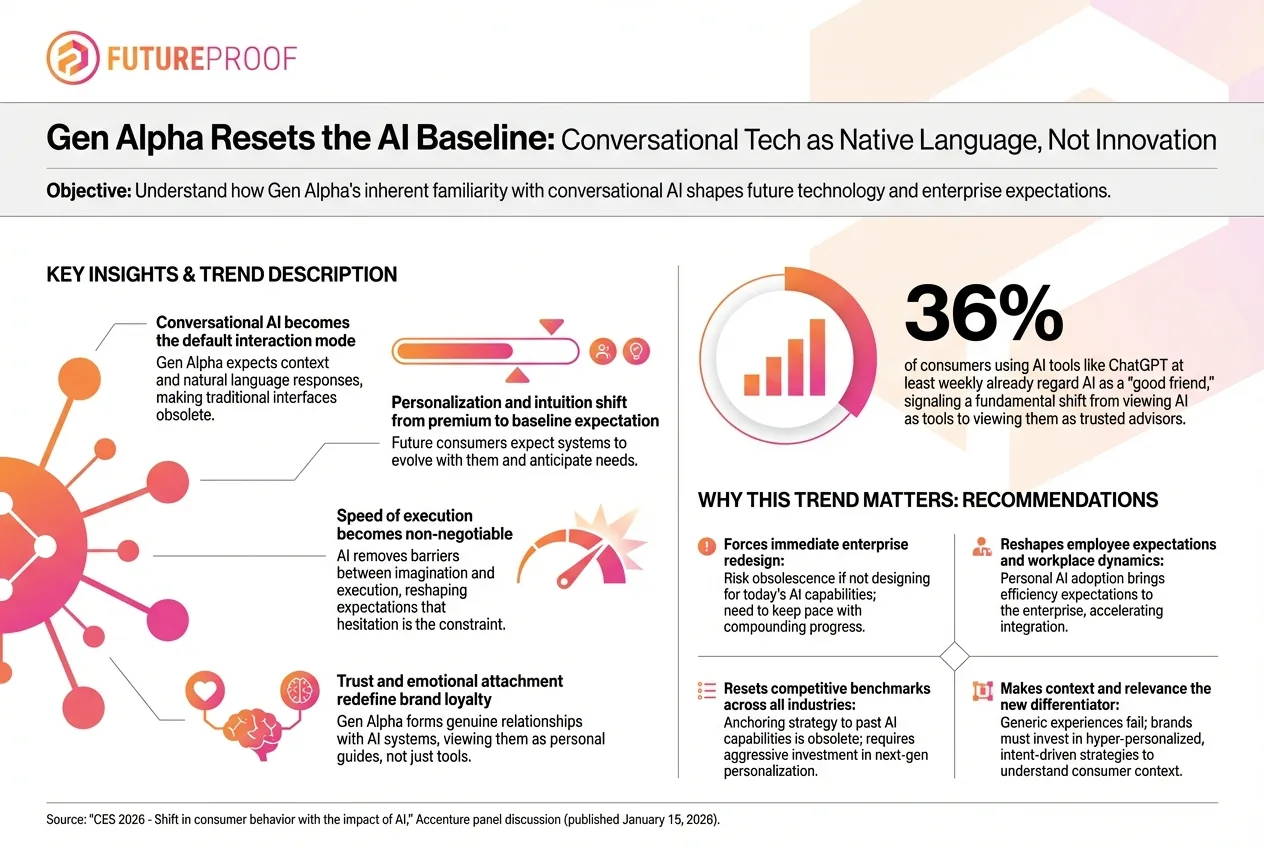
Gen Alpha is not merely adopting new technology; they are fundamentally redefining its very essence, treating conversational artificial intelligence not as an innovative tool but as an inherent, native language. For this generation, born into a world saturated with digital interaction, the ability to converse with AI systems is as natural and intuitive as spoken word, forming the bedrock of their digital literacy. This profound shift carries monumental implications across every facet of modern life, from the most personal customer interactions to the operational core of global enterprises, resetting expectations and raising the bar for brands with unprecedented speed.
The concept of AI as a native language transcends simple proficiency; it implies an intrinsic understanding, an expectation of seamless, context-aware interaction that requires no translation or complex instruction. Gen Alpha assumes that systems will not only understand their queries but will also grasp the underlying intent, recall past interactions, anticipate future needs, and respond with a level of personalization that mirrors human dialogue. This innate fluency with conversational AI dictates their engagement with the digital world, shaping their perceptions of efficiency, relevance, and connection. They are fluent in the language of algorithms, prompting a systemic re-evaluation of how technology is designed, deployed, and experienced. The passive user is dead; in its place stands an active participant, conversing with technology as an equal.
This deeply ingrained relationship with AI is having an immediate and transformative impact on customer experience. The conventional benchmarks for customer service and brand interaction are being erased and rewritten by a generation that perceives clunky interfaces, generic responses, and a lack of contextual understanding as fundamental failures. For Gen Alpha, the expectation is not just efficiency but empathy, not just information but insight, and not just a transaction but a tailored conversation. They expect brands to leverage AI to deliver hyper-personalized experiences that are proactive, intuitive, and predictive. Imagine a scenario where a consumer expresses a mild interest in a product; Gen Alpha expects the AI to not only suggest relevant items but to understand their style preferences, past purchases, budget, and even anticipate potential uses for the product, delivering a holistic, personalized journey.
The implications of this shift are underscored by a revealing data point: a remarkable 36 percent of consumers using AI tools weekly already describe AI as a good friend. This statistic, highlighted at a CES 2026 Accenture panel discussion on January 15, 2026, signals an extraordinary evolution in how younger generations are forming relationships with technology. For Gen Alpha, AI is not merely a utility; it is becoming a companion, a confidant, and an extension of their social fabric. This burgeoning emotional connection dictates an even higher demand for AI systems that exhibit a degree of emotional intelligence, authenticity, and consistent reliability. Brands that fail to cultivate AI interactions capable of fostering this sense of camaraderie, trustworthiness, and genuine understanding will struggle to resonate with this critical demographic. The transactional nature of traditional customer service is giving way to a relationship-driven paradigm, where AI plays a pivotal role in building and nurturing those bonds.
For companies navigating this new landscape, the imperative is clear: faster execution, hyperpersonalized design, and continuous adaptation are no longer optional but existential requirements. The pace of technological evolution, already rapid, is being accelerated by Gen Alpha’s seamless integration of AI into their daily lives. Brands must move beyond superficial AI implementations and embrace comprehensive, integrated strategies that embed conversational AI at every touchpoint. This demands significant investment in advanced natural language understanding (NLU) and natural language generation (NLG) capabilities, coupled with sophisticated machine learning models that can continuously learn, adapt, and refine their interactions based on real-time feedback and evolving user expectations. The old product development cycles, measured in months or years, are being compressed into weeks or even days, as continuous iteration becomes the norm.
The pressure extends beyond external customer interactions, permeating the very core of organizational operations. Employees, many of whom are members of Gen Alpha or similarly digitally native generations, are bringing their personal AI expectations into the workplace. They are accustomed to intuitive, intelligent personal assistants that can streamline tasks, provide instant information, and anticipate their needs in their personal lives. This familiarity creates an inherent demand for similar levels of sophistication from internal enterprise tools. They expect workplace AI to understand context, personalize workflows, automate mundane tasks, and offer intelligent insights, freeing them to focus on more complex, creative, and strategic work. Legacy systems that are cumbersome, unintuitive, or lack conversational AI capabilities will be seen as productivity inhibitors, leading to frustration, reduced engagement, and potentially impacting talent retention.
Organizations are thus facing a dual challenge: transforming their customer-facing AI strategies while simultaneously modernizing their internal digital ecosystems. The demand for seamless, personalized employee experiences, powered by intelligent AI assistants, is accelerating pressure on organizations to keep pace. This means rethinking everything from HR onboarding processes to IT support, project management, and collaborative tools. AI-powered knowledge bases, intelligent virtual assistants for internal queries, and personalized learning paths are becoming essential components of a modern digital workplace. Companies that embrace this transformation will not only enhance employee satisfaction and productivity but also gain a significant competitive advantage in attracting and retaining top talent in an increasingly AI-fluent workforce.
The journey toward this AI-native future also presents critical ethical considerations. As AI becomes a "good friend" and an intrinsic part of daily life, the questions surrounding data privacy, algorithmic bias, and transparency become paramount. Brands must not only deliver hyperpersonalized experiences but also build and maintain trust through ethical AI development and deployment. This involves clear communication about how data is used, ensuring fairness in AI decision-making, and providing users with control over their AI interactions. The emotional connection Gen Alpha forms with AI means that breaches of trust will be felt more deeply and carry greater consequences for brand reputation. Authenticity and transparency will be the cornerstones of successful AI engagement.
Furthermore, the proliferation of AI as a native language necessitates a thoughtful approach to maintaining the human element. While Gen Alpha expects AI to handle routine interactions with grace and intelligence, there will always be situations where human intervention is desired, even critical. The challenge lies in seamlessly integrating AI with human expertise, creating a symbiotic relationship where AI augments human capabilities rather than replacing them entirely. This means designing AI systems that know when to escalate to a human agent, providing comprehensive context, and empowering human teams with AI-driven insights to deliver even higher levels of service and support. The future of customer experience is not human or AI, but human and AI, working in concert.
Ultimately, Gen Alpha’s relationship with conversational AI is not a fleeting trend but a fundamental societal shift that will reshape our interaction with technology for generations to come. Their expectation of AI as a native language, a personal assistant, and even a "good friend" is resetting the baseline for what is considered acceptable in customer experience and employee engagement. Brands and organizations that proactively embrace this paradigm, investing in hyperpersonalized, context-aware, and emotionally intelligent AI systems, will not only survive but thrive. Those that cling to outdated models of interaction risk becoming irrelevant in a world where talking to technology is as natural as breathing, and the expectation for seamless, intuitive, and deeply personal engagement is the new standard. The future is conversational, and Gen Alpha is fluent.