How Chat Based AI Is Transforming Retail Into One Seamless Conversational Journey
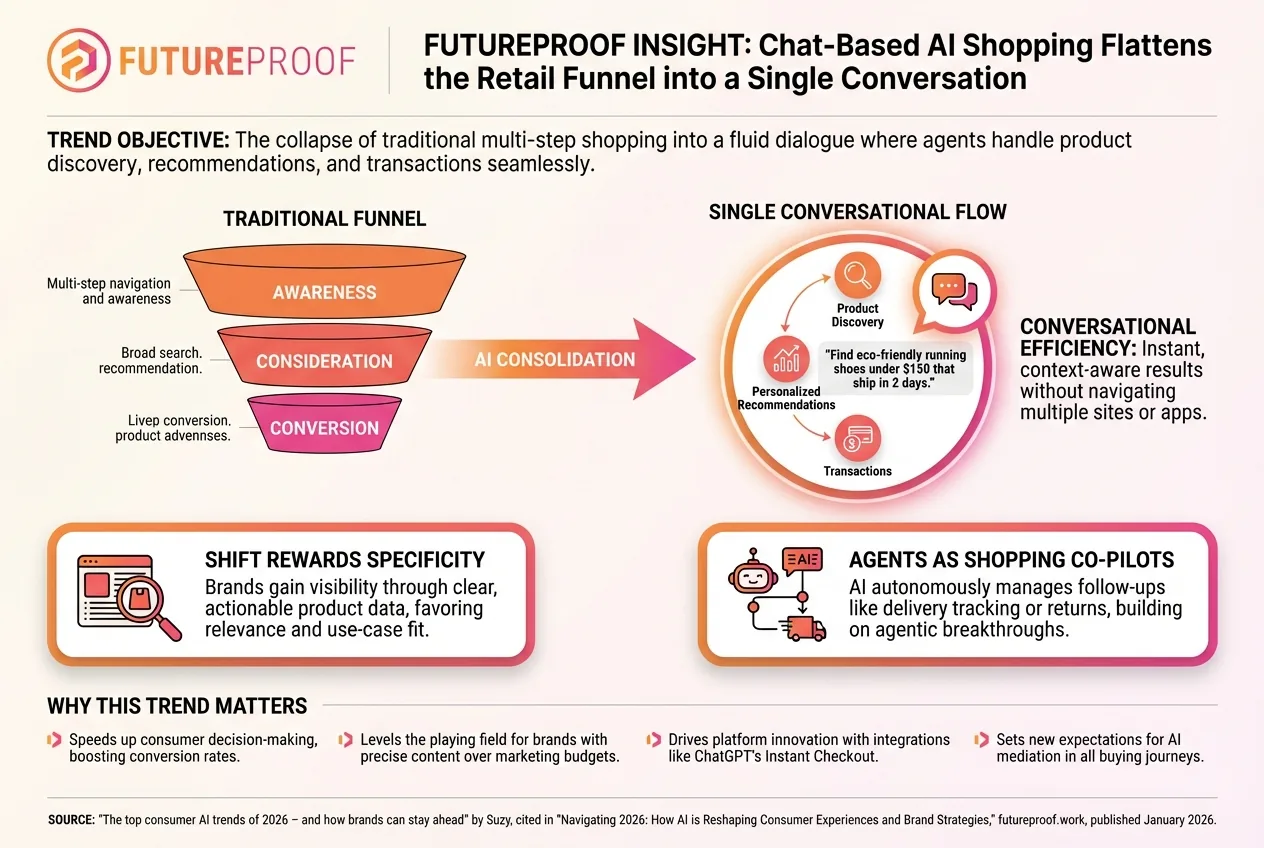
The landscape of retail is undergoing a profound and irreversible transformation, driven by the rapid evolution of chat-based AI. What was once a multi-stage, often fragmented shopping journey – spanning discovery, evaluation, comparison, and ultimately, purchase – is now collapsing into a single, cohesive conversational flow. This revolutionary shift, underpinned by advancements in natural language processing and contextual understanding, is fundamentally reshaping how consumers interact with brands and how retailers must strategize for future success. The days of navigating complex websites, endless product pages, and separate checkout processes are giving way to a seamless, intuitive dialogue where every step of the retail funnel is integrated into a single, intelligent conversation.
This paradigm shift is not merely about making existing processes slightly more efficient; it represents a complete re-imagining of the entire consumer experience. Consumers are no longer passive recipients of marketing messages or navigators of predefined pathways; they are active participants in a dynamic dialogue with AI agents that understand their needs, preferences, and intent in real-time. Imagine a scenario where a simple, natural language prompt like "find eco-friendly running shoes under 150 dollars that ship in 2 days" instantly triggers a comprehensive search, filters results based on highly specific criteria, presents curated options, offers detailed product information, compares sustainability credentials, checks real-time inventory and shipping, and even facilitates immediate purchase—all within the same chat interface. This entire journey, from initial inquiry to final transaction, unfolds effortlessly, mirroring a conversation with a highly knowledgeable and efficient personal shopper.
For brands, this dramatic evolution presents both immense opportunities and significant challenges. The competitive advantage is rapidly shifting towards those with exceptionally clear, well-structured, and comprehensive product data. In the era of conversational commerce, AI systems are the gatekeepers of information, and their ability to surface relevant products quickly and contextually is directly dependent on the quality and organization of the data they can access. Traditional product descriptions, often designed for human scanning, are insufficient. AI systems require granular, attribute-rich data – everything from material composition and ethical sourcing certifications to precise dimensions, user reviews, and intricate shipping policies – to accurately interpret queries and provide intelligent, personalized recommendations. Brands that invest proactively in cleaning, structuring, and enriching their product information, making it easily digestible and searchable by AI, will be the ones that thrive, ensuring their offerings are consistently prioritized and presented to eager consumers.
This transformation also acts as a powerful equalizer, leveling the playing field for businesses of all sizes. Historically, larger brands with extensive marketing budgets and established distribution networks held a significant advantage. However, in an AI-driven retail landscape, the agility and precision of a brand's data become paramount. Smaller brands, often direct-to-consumer (DTC) or niche players, can now compete more directly and effectively with industry giants. If a small, artisan shoe company meticulously details its sustainable manufacturing processes, ethical labor practices, and precise product specifications in an AI-readable format, its offerings stand an equal, if not superior, chance of being discovered by a consumer using a query like "find handcrafted vegan leather sneakers made in small batches with low carbon footprint." The focus shifts from sheer marketing spend to the intrinsic quality and discoverability of the product through intelligently structured content. This fosters innovation and allows unique, value-driven brands to flourish based on their core offerings, rather than just their advertising reach.
The impact of chat-based AI extends far beyond the initial purchase decision. Autonomous agents are increasingly managing the entire post-purchase experience, quietly working in the background to ensure a smooth and satisfactory customer journey. Tasks that once required human intervention or multiple clicks on a website are now seamlessly handled by AI. This includes proactive delivery tracking updates, intelligent processing of returns and exchanges, automated warranty claims, and even personalized follow-up communications. Imagine receiving a chat message noting that your order has been dispatched, providing real-time tracking, and then offering to initiate a return with a single confirmation if needed, all without ever leaving the conversation. This level of integrated service reduces customer friction, enhances satisfaction, and frees up human customer service representatives to focus on more complex, empathetic interactions. It exemplifies the holistic nature of AI’s penetration into the retail ecosystem.
Platforms, recognizing this seismic shift, are rapidly evolving to embed instant checkout capabilities directly into AI environments. The idea of a separate checkout page, with multiple fields to fill and multiple steps to confirm, is becoming an anachronism. Instead, consumers can complete a purchase directly within the conversational interface, often with pre-filled payment and shipping details drawn from stored preferences or linked accounts. This "one-click" or "one-phrase" checkout significantly reduces abandonment rates, capitalizes on immediate purchase intent, and creates an unparalleled level of convenience. The friction points that traditionally existed between intent and action are systematically dismantled, leading to higher conversion rates and a more fluid, enjoyable shopping experience. This evolution underscores the comprehensive integration of AI into every facet of the retail value chain, making transactions as effortless as a simple request.
This profound transformation is not speculative; it's already unfolding, as highlighted by key industry insights. According to Suzy's 2026 consumer AI trends report, a critical piece of research cited in Navigating 2026 by futureproof.work, chat-based AI is indeed flattening the traditional retail funnel into a single conversational flow. This data point validates the widespread observation of this shift and underscores its inevitability and growing prominence in the coming years. Retailers who ignore this trend do so at their peril, risking obsolescence in a market increasingly dominated by intelligent, conversational interfaces.
To navigate this new retail frontier successfully, brands must adopt a multi-pronged strategy. First and foremost, a radical overhaul of product data management is essential. This means investing in robust product information management (PIM) systems, employing data scientists to ensure accuracy and granularity, and creating AI-friendly taxonomies that allow for deep semantic understanding. Secondly, brands need to embrace the power of natural language processing (NLP) and machine learning to understand consumer intent with unprecedented accuracy. This involves analyzing conversational data to refine product recommendations, personalize marketing messages, and anticipate future needs. Thirdly, the integration of AI should extend across the entire customer journey, from initial discovery through post-purchase support, ensuring a consistent and delightful experience at every touchpoint. This requires collaboration between marketing, sales, customer service, and IT departments.
Furthermore, ethical considerations surrounding AI in retail must be paramount. Issues such as data privacy, algorithmic bias, and transparency in AI interactions need to be addressed proactively. Consumers must feel secure that their data is protected and that AI recommendations are fair and unbiased. Building trust in these conversational agents is crucial for long-term adoption and success. Brands also need to consider the balance between AI automation and the human touch. While AI excels at efficiency, complex problems or highly emotional customer interactions may still require human empathy and judgment. A hybrid approach, where AI augments human capabilities, is likely to be the most effective strategy.
The future of retail is conversational, personalized, and hyper-efficient. The move from a multi-step funnel to a single conversational flow, driven by sophisticated chat-based AI, signifies a monumental shift in how consumers shop and how brands compete. Those who understand and adapt to this transformation by prioritizing structured product data, leveraging autonomous agents, and integrating instant checkout into AI environments will not only survive but thrive in the dynamic, intelligent retail ecosystem of tomorrow. The era of conversational commerce is here, and it promises a retail experience more seamless, intuitive, and engaging than ever before.