How AI Driven Wellness Data Is Reshaping Product Visibility and Consumer Trust
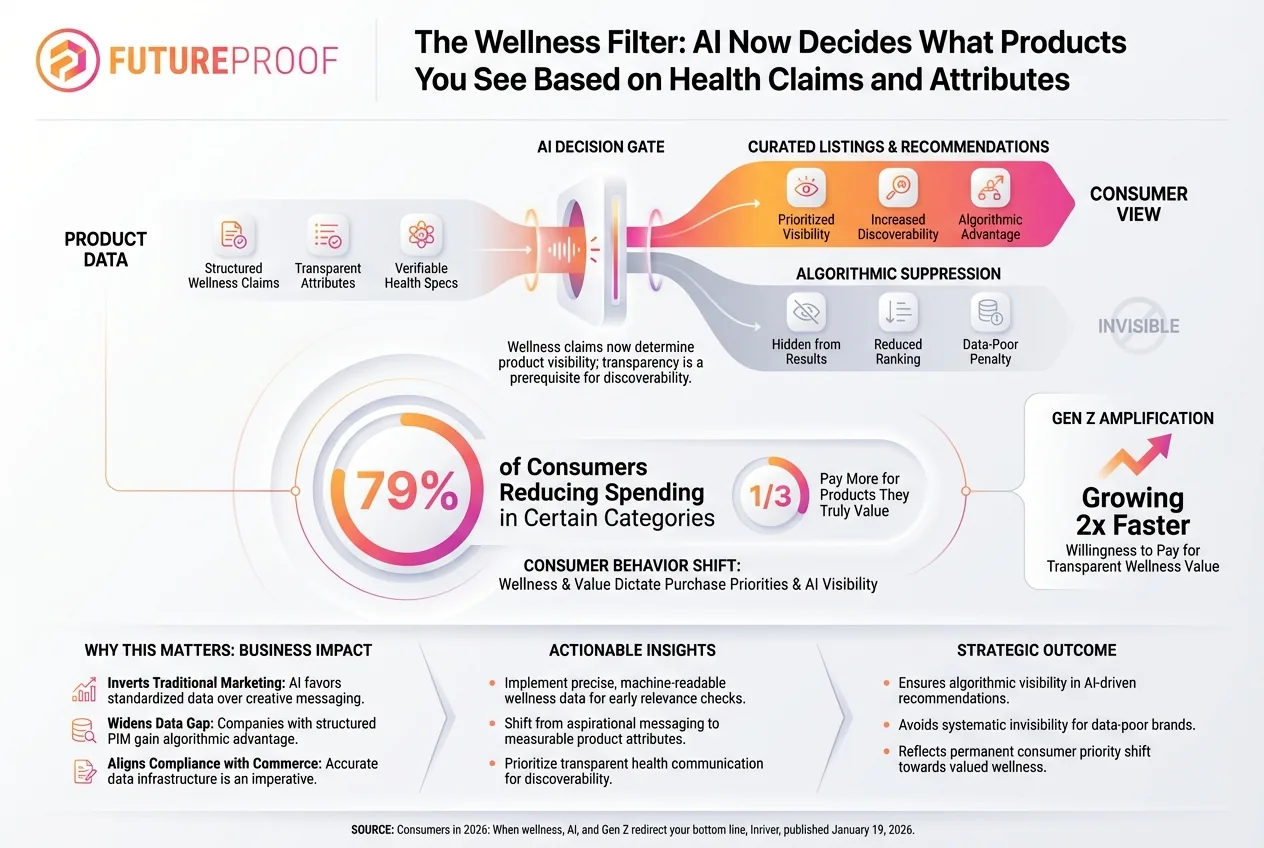
The digital marketplace is undergoing a profound transformation, driven by an invisible yet omnipresent force: Artificial Intelligence. As AI increasingly assumes the role of a sophisticated decision filter, its impact is nowhere more keenly felt than in the realm of wellness products. What was once a niche concern for health enthusiasts has exploded into a universal consumer priority, and the very definition of product visibility is being fundamentally rewritten. For brands navigating this new landscape, clear, structured, and verifiable wellness attributes are no longer merely a desirable add-on; they are the bedrock upon which discoverability, compliance, and sustained growth are built.
This seismic shift signifies a critical juncture for every brand in the consumer goods space. AI algorithms, growing ever more discerning and intelligent, are actively evaluating products based on their wellness profiles. They are moving beyond simple keyword matching to deeply understand the underlying attributes, certifications, and claims. This means that if your product's wellness data is vague, inconsistent, or lacks machine-readable precision, it risks being sidelined before it even reaches a potential customer's awareness. The era of generic claims is drawing to a close, replaced by an imperative for meticulous data presentation.
The standout data point from Inriver's "Consumers in 2026" report paints a stark picture: while 79 percent of consumers are reducing spending in certain categories, more than one third still plan to pay more for products they truly value. This discerning consumer behavior, coupled with Gen Z's spending power growing at twice the rate of previous generations, underscores a clear mandate: transparency and verifiable wellness attributes are now direct determinants of a brand's bottom line.
The AI Revolution: Wellness Data as the Ultimate Decision Filter
At its core, the revolution lies in how AI processes and interprets information. Modern AI systems, powered by advanced natural language processing (NLP) and machine learning (ML), can do far more than just scan for keywords. They can understand context, infer meaning, and cross-reference information from vast datasets. When applied to wellness, this means AI can differentiate between a product claiming to be "natural" and one specifically stating "USDA Certified Organic" with a verifiable certification number. It can distinguish a generic "good for you" from a detailed nutritional panel listing specific vitamins, minerals, and allergen warnings.
This capability transforms AI into a powerful decision filter, influencing where and how products appear across the digital ecosystem. Whether it’s surfacing relevant results in a search query like "gluten-free protein bars," prioritizing products in a personalized recommendation engine for someone with specific dietary restrictions, or vetting items for inclusion in a curated "eco-friendly beauty" collection, AI relies on robust, structured wellness data. Brands that provide this data empower AI to accurately categorize, present, and endorse their products, creating a powerful advantage over competitors still relying on antiquated, unstructured claims.
Redefining Product Visibility: Beyond Basic SEO
Product visibility in the AI era extends far beyond traditional search engine optimization. While keywords remain important, they are now just one facet of a multi-dimensional visibility strategy. The true battleground is the underlying data architecture that informs how AI systems perceive and prioritize your products.
Consider the journey of a product from a brand's inventory to a consumer's screen.
- Search Engines: AI-driven search algorithms (like Google's) now heavily favor structured data, often rendered as rich snippets or enhanced listings. A product with precise wellness attributes – for example, a food item with full nutritional facts, allergen warnings, and sustainability certifications clearly marked using Schema.org markup – is far more likely to stand out and earn prominent placement than one with vague descriptions. This directly impacts click-through rates and organic traffic.
- E-commerce Platforms: Marketplaces like Amazon, Target, and specialty wellness retailers are increasingly leveraging AI to power their internal search, filtering, and recommendation systems. If a customer filters for "vegan," "cruelty-free," or "paraben-free," products with these attributes explicitly detailed in a machine-readable format will surface instantly. Those relying on unstructured text within a product description might be missed entirely.
- Personalized Recommendations: AI excels at personalization. By understanding a consumer's past purchases, browsing history, stated preferences, and even wearable tech data, AI can suggest products that align perfectly with their individual wellness goals. Structured wellness data is the fuel for these engines, enabling highly relevant, timely, and often pre-vetted recommendations that drive conversions.
- Curated Listings & AI Assistants: The proliferation of curated "best of" lists, subscription boxes, and AI shopping assistants means that products are being pre-screened and endorsed by increasingly intelligent systems. These systems demand verifiable data to justify their selections. A product with unclear wellness claims faces a significant hurdle in gaining entry into these influential channels, essentially being filtered out by the digital gatekeepers.
The consequence of this shift is profound: brands with precise, machine-readable wellness data gain an inherent, built-in advantage, effortlessly surfacing in relevant contexts. Those that cling to vague or unstructured claims are not just less visible; they are actively filtered out, pushed to the periphery of an increasingly discerning digital marketplace.
The Unbuilt Advantage: Precision vs. Vagueness
What does "precise, machine-readable wellness data" truly entail? It's about granular detail, standardization, and verification.
- Ingredients: Not just "natural ingredients," but a full ingredient list, source details, and absence/presence of specific allergens (gluten, dairy, nuts, soy).
- Certifications: Specific certifications like USDA Organic, Non-GMO Project Verified, Leaping Bunny (cruelty-free), Fair Trade, or specific dermatological testing results. These need to be clearly stated and, ideally, linked to verifiable third-party sources.
- Nutritional Profiles: Detailed macronutrient and micronutrient breakdowns, specific health claims (e.g., "high in fiber," "source of Omega-3s") backed by scientific data.
- Sustainability Metrics: Specifics like recycled content percentage, carbon footprint data, water usage, ethically sourced components, and details on manufacturing processes.
- Efficacy Claims: If a product claims to "boost immunity" or "improve skin elasticity," the underlying scientific studies or clinical trial data should be referenced or easily accessible.
Contrast this with vague claims such as "all-natural," "healthy choice," "eco-friendly," or "pure." While these terms might resonate emotionally, they lack the specific, quantifiable data points that AI can process and verify. AI algorithms are designed to reward clarity and penalize ambiguity. They interpret vagueness as a potential lack of transparency or, worse, an attempt to mislead. This preference for verifiable data accelerates trust-building with consumers and streamlines the product discovery process.
The Gen Z Imperative: Transparency Drives Spending
The acceleration of this data-driven wellness paradigm is inextricably linked to the rising influence of Gen Z consumers. This demographic, poised to become the largest consumer group, approaches purchasing with a fundamentally different mindset. They are digital natives who have grown up with instant access to information, leading them to demand unprecedented levels of transparency from brands.
Gen Z's values are deeply intertwined with authenticity, social responsibility, and personal well-being. They are not easily swayed by marketing fluff; they actively seek out the "why" and "how" behind products. They scrutinize ingredient lists, research brand ethics, and verify claims. The Inriver report's finding – that Gen Z spending is growing at twice the rate of previous generations – is a clear signal that brands must adapt to their expectations. This cohort rewards transparency in the path to purchase, viewing it not just as a bonus, but as a fundamental right.
The statistic that 79 percent of consumers are reducing spending in certain categories while more than one third still plan to pay more for products they value perfectly encapsulates Gen Z's discerning nature. They are willing to pay a premium for products that genuinely align with their values, especially those that offer clear, verifiable wellness benefits and come from brands demonstrating ethical transparency. For these consumers, structured wellness data isn't just about finding what they need; it's about validating their choices and aligning with brands that share their commitment to well-being and authenticity.
Structured Wellness Data: The Core Drivers of Discoverability, Compliance, and Growth
The implications of this data-driven shift extend beyond mere visibility, impacting the fundamental pillars of brand success.
Discoverability: In a crowded digital landscape, being found by the right audience is paramount. Structured wellness data acts as a powerful beacon, guiding highly relevant consumers directly to your products. Instead of relying on broad category searches, consumers can now perform hyper-specific queries based on their unique needs – "keto-friendly snack bars with no artificial sweeteners," "cruelty-free moisturizer for sensitive skin," or "sustainable protein powder from grass-fed cows." When your product data precisely matches these detailed filters, it ensures high-intent discoverability, reducing wasted impressions and increasing conversion potential. It allows brands to tap into niche markets that might otherwise be inaccessible, reaching customers who genuinely value their specific attributes.
Compliance: The wellness industry, encompassing food, supplements, cosmetics, and health products, is subject to rigorous regulatory oversight. Misleading claims, unsubstantiated benefits, or incomplete ingredient information can lead to severe penalties, reputational damage, and costly product recalls. Structured wellness data provides a proactive framework for compliance. By meticulously documenting and verifying every attribute, brands can ensure adherence to local and international regulations. This systematic approach minimizes legal risks, builds trust with regulatory bodies, and demonstrates a commitment to consumer safety and honesty. It transforms compliance from a reactive burden into an integrated, data-driven process that safeguards the brand.
Growth: Ultimately, the investment in structured wellness data directly translates into sustainable business growth.
- Increased Conversion Rates: When consumers can easily find and verify product attributes that match their specific needs and values, their confidence in making a purchase dramatically increases, leading to higher conversion rates.
- Enhanced Brand Loyalty: Transparency fosters trust, and trust cultivates loyalty. Brands that consistently provide clear, verifiable wellness data build stronger relationships with their customer base, leading to repeat purchases and positive word-of-mouth.
- Competitive Differentiation: In a market saturated with similar offerings, precise wellness data serves as a powerful differentiator. It allows brands to highlight their unique selling propositions and stand out from competitors relying on generic or unverifiable claims.
- Market Expansion: By clearly articulating wellness attributes, brands can strategically enter new markets and appeal to diverse consumer segments focused on specific health, ethical, or environmental concerns.
- Optimized Marketing Spend: With better data, marketing efforts become more targeted and efficient, reaching audiences most likely to convert, thereby maximizing ROI on advertising and promotional activities.
The long-term return on investment for robust data infrastructure far outweighs the initial effort. It’s an investment in future relevance, regulatory security, and market leadership.
Actionable Steps for Brands: Embracing the Data-Driven Wellness Future
To thrive in this AI-filtered landscape, brands must adopt a proactive, data-centric approach to their wellness attributes.
- Conduct a Comprehensive Data Audit: Begin by assessing your current product information. Identify what wellness attributes you currently track, how they are stored, and where the gaps or inconsistencies lie. Are your claims backed by verifiable data?
- Invest in Product Information Management (PIM) Systems: Implement or upgrade PIM systems that are designed to centralize, standardize, and enrich product data. These systems are crucial for managing the complex, granular wellness attributes required by AI.
- Standardize Your Wellness Attributes: Develop a consistent taxonomy and classification system for all wellness claims. Define specific terms, units of measure, and acceptable formats. For example, instead of "natural," specify "no artificial colors, flavors, or preservatives."
- Prioritize Third-Party Verification: Seek relevant certifications (organic, non-GMO, vegan, cruelty-free, etc.) from reputable third-party organizations. Ensure these certifications are clearly stated and verifiable on your product pages.
- Leverage Structured Data Markup (Schema.org): Implement structured data markup on your product pages to explicitly communicate wellness attributes to search engines and AI systems. This is vital for rich snippets and enhanced search visibility.
- Educate Your Teams: Ensure that your product development, marketing, e-commerce, and compliance teams understand the importance of structured wellness data and are equipped with the tools and knowledge to manage it effectively.
- Continuously Monitor and Update: The wellness landscape is dynamic. New certifications emerge, consumer preferences evolve, and AI algorithms become more sophisticated. Regularly review and update your wellness data to maintain relevance and accuracy.
- Be Transparent with Sources: Wherever possible, link to the scientific studies, certifications, or ethical sourcing reports that back your wellness claims. This builds immense consumer trust.
The message is unequivocally clear: structured wellness data is no longer a strategic advantage; it is a foundational requirement for any brand seeking to achieve discoverability, ensure compliance, and drive sustainable growth in the modern digital economy. As AI continues to refine its role as a decision filter, brands that embrace precision, verifiability, and transparency in their wellness attributes will not just survive, but flourish, forging stronger connections with consumers and securing their place at the forefront of the marketplace. The future is data-driven, and wellness is its critical currency.