AI Driven Hyper Personalization Is Now the Foundation of Brand Relevance
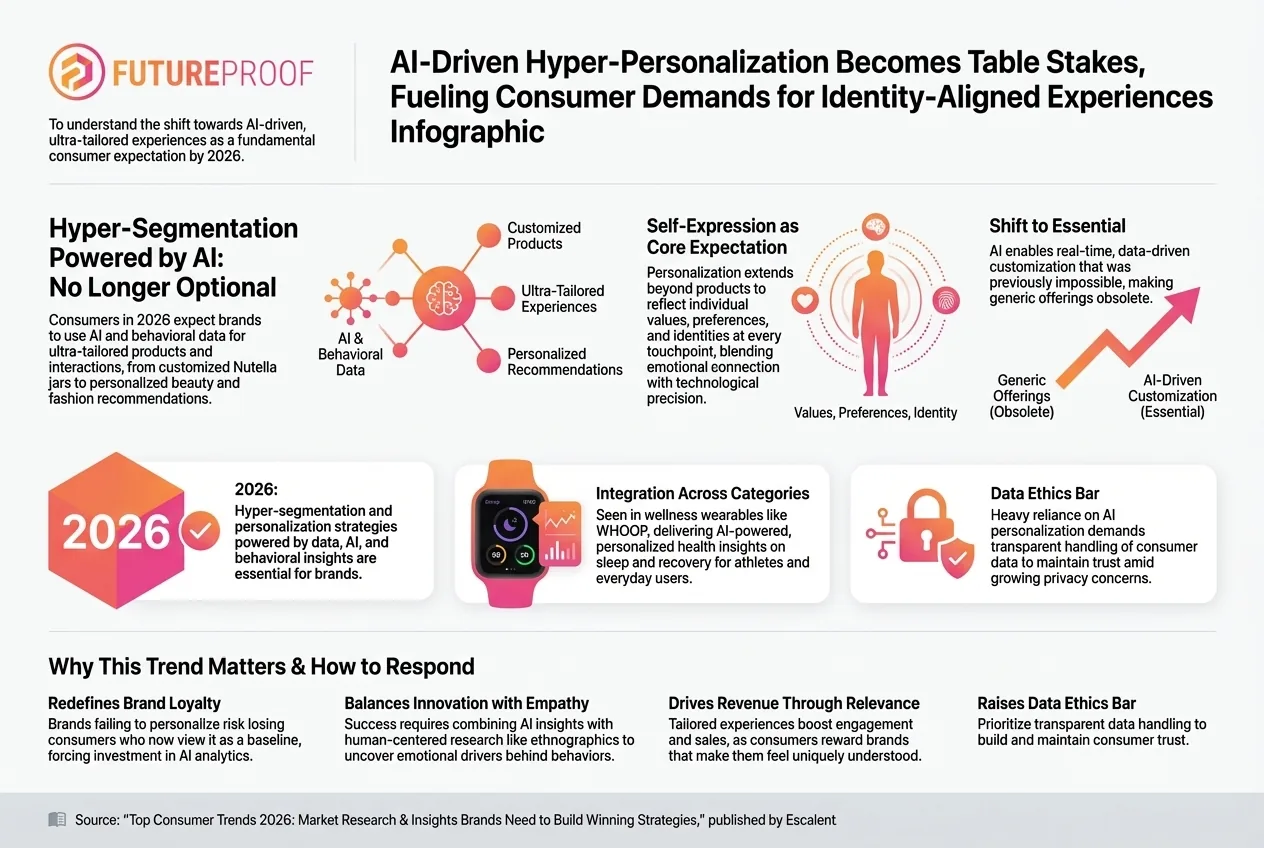
The landscape of consumer engagement has undergone a seismic shift, where the era of generic marketing campaigns and one-size-fits-all product offerings is rapidly becoming a relic of the past. Today, AI-driven hyper-personalization is not merely an aspirational goal but an absolute necessity, the bedrock upon which successful brands will build their future. Consumers no longer just appreciate personalized experiences; they expect them as a fundamental aspect of every brand interaction. This profound expectation stems from a world saturated with data, where advanced artificial intelligence has demonstrated its capacity to understand individual preferences, behaviors, and even identities with unprecedented precision.
From the moment a potential customer first encounters a brand to their ongoing relationship, the demand is clear: "Know me." This extends far beyond simply addressing someone by their first name in an email. It encompasses everything from custom products tailored to unique specifications to identity-aligned recommendations that resonate deeply with an individual's values, lifestyle, and aspirations. AI is the engine propelling this transformation, meticulously analyzing vast datasets to craft experiences that feel bespoke, intuitive, and genuinely helpful. It's pushing personalization from a 'nice-to-have' competitive advantage to a 'non-negotiable' expectation that defines relevance in the modern marketplace. Brands that hesitate to embrace this paradigm shift risk not only falling behind but losing their very connection to an increasingly discerning consumer base. The imperative is clear: adapt, personalize, or face obsolescence.
The implications for brand relevance are stark. In an age where digital noise is constant and attention spans are fleeting, generic messaging is simply ignored. Consumers, empowered by choice and information, will gravitate towards brands that demonstrate an understanding of their unique needs and desires. This understanding is no longer achieved through broad market segmentation but through micro-segmentation and individual-level insights powered by sophisticated AI algorithms. When a brand fails to deliver this level of tailored interaction, it signals a lack of understanding, a detachment that can quickly erode trust and loyalty. Conversely, brands that master the art and science of blending AI insights with a genuine, human-centered understanding are not just deepening customer loyalty; they are unlocking unprecedented commercial outcomes. This synergy between data-driven efficiency and empathetic design creates experiences that are not only effective but also emotionally resonant, fostering a sense of belonging and recognition that keeps customers coming back.
Consider the revolutionary impact of wearables like WHOOP. This device doesn't just collect generic health data; it provides real-time, AI-powered insights that are deeply personal and actionable. It understands an individual's unique physiological responses, recovery needs, and performance potential, offering tailored recommendations that directly impact their well-being. This isn't just a product; it's a personalized health coach, a testament to how AI can reshape entire categories by meeting individual needs with precision and relevance. This example underscores a critical truth: when AI moves beyond surface-level customization to deliver profound, individualized utility, it creates immense value and cultivates fierce brand advocacy.
The evidence supporting this shift is compelling and forward-looking. A key data point from Escalent's "Top Consumer Trends 2026" report unequivocally states: "Hyper-segmentation and personalization strategies powered by data, AI, and behavioral insights are now essential for brands in 2026." This isn't a prediction for the distant future; it's a near-term reality, a strategic imperative for brands looking to build winning strategies and secure their place in the market. The time for deliberation is over; the time for decisive action is now.
The Evolution of Consumer Expectations: From Generic to Granular
For decades, marketers relied on demographic data and broad psychographic profiles to segment audiences. While effective to a degree, this approach often treated large groups of individuals as monolithic entities, ignoring the nuanced preferences that define modern consumers. The digital revolution, coupled with the proliferation of data-gathering technologies, laid the groundwork for a more precise understanding. However, it is the advent of advanced AI and machine learning that has truly democratized this precision, moving beyond simple segmentation to true one-to-one personalization at scale.
Today's consumers expect brands to anticipate their needs, not just react to them. They anticipate intelligent recommendations that truly understand their style, their budget, their values, and even their current mood. They expect products that can be customized to their precise specifications, whether it's a pair of sneakers, a software interface, or a subscription box. This expectation isn't born out of entitlement but out of exposure to platforms that already deliver this level of tailored experience. Streaming services curate content based on viewing history and emotional responses; e-commerce giants present product suggestions derived from browsing behavior, purchase history, and even implicit signals. Social media feeds are meticulously constructed algorithms reflecting individual interests. These experiences have set a new benchmark, raising the bar for every other brand interaction. Failure to meet this benchmark creates a jarring dissonance for the consumer, making a brand feel outdated, impersonal, and ultimately irrelevant.
AI as the Engine of Identity-Aligned Recommendations and Custom Products
The magic behind these hyper-personalized experiences lies in AI's ability to process and interpret vast, complex datasets at speeds and scales impossible for humans. Machine learning algorithms can identify patterns, predict future behaviors, and infer preferences from a multitude of data points:
- Behavioral Data: Clicks, page views, search queries, purchase history, time spent on content, abandoned carts.
- Transactional Data: Purchase frequency, average order value, product categories, returns.
- Demographic & Geographic Data: Age, location, income, family status (with careful privacy considerations).
- Contextual Data: Device type, time of day, weather, current events.
- Psychographic Data: Stated preferences, lifestyle choices, values (often inferred from content consumption or survey responses).
- Real-time Interaction Data: Responses to emails, live chat conversations, social media engagement.
This rich tapestry of information allows AI to build incredibly detailed individual profiles. For custom products, AI can power configurators that guide users through a personalized design process, offering suggestions based on their style profile or predicting popular combinations. In fashion, AI can recommend sizes based on past purchases and even fit preferences. In manufacturing, it can optimize production lines for mass customization, making bespoke products accessible and efficient.
For identity-aligned recommendations, AI moves beyond simple "customers who bought this also bought that." It delves deeper, understanding the underlying motivations and values that drive a consumer's choices. If a consumer consistently purchases sustainable products, AI will prioritize eco-friendly alternatives in future recommendations. If their browsing history indicates a strong interest in outdoor adventures, their entire digital experience with a brand, from website imagery to email content, can be subtly shifted to reflect this identity. This level of understanding fosters a powerful connection because it makes the consumer feel seen, understood, and genuinely valued. It’s the difference between being offered a generic sweater and being presented with a sustainably sourced, merino wool base layer perfect for their next hiking trip, complete with reviews from fellow outdoor enthusiasts.
Deepening Loyalty and Driving Stronger Commercial Outcomes
The benefits of AI-driven hyper-personalization extend far beyond customer satisfaction; they translate directly into tangible commercial advantages for brands.
- Increased Conversion Rates: When product recommendations are highly relevant, customers are more likely to purchase. Personalized landing pages, tailored offers, and perfectly timed communications significantly reduce friction in the buying journey.
- Higher Average Order Value (AOV): Intelligent cross-selling and up-selling driven by AI can encourage customers to add more items to their cart or opt for premium versions, as these suggestions are perceived as valuable additions rather than aggressive sales tactics.
- Enhanced Customer Lifetime Value (CLTV): A truly personalized experience fosters loyalty, turning one-time buyers into repeat customers and brand advocates. When customers feel understood and valued, they are less likely to churn and more likely to engage with the brand over the long term, making them significantly more profitable.
- Reduced Marketing Spend & Improved ROI: By targeting with precision, brands can allocate marketing budgets more effectively, reaching the right person with the right message at the right time. This reduces wasted ad spend on irrelevant impressions and boosts the return on investment for marketing campaigns.
- Stronger Brand Affinity and Advocacy: When brands consistently deliver relevant, helpful, and tailored experiences, they build a reputation for being customer-centric and innovative. This leads to positive word-of-mouth, social media mentions, and organic growth, creating a virtuous cycle of engagement and loyalty.
- Faster Product Development and Innovation: AI insights into individual preferences can also inform product development cycles, helping brands identify unmet needs, popular features, and emerging trends with greater accuracy, leading to more successful product launches.
The financial implications are significant. Studies consistently show that companies that excel at personalization outperform their competitors in terms of revenue growth. As the Escalent report highlights for 2026, it's not just about incremental gains; it's about competitive survival and thriving in a market where personalized engagement is the default expectation.
The Mechanics: Data, AI, and Behavioral Insights
Implementing robust hyper-personalization strategies requires a sophisticated technological backbone and a strategic approach to data.
- Data Collection and Integration: The foundation is comprehensive, clean, and integrated data. This means breaking down data silos, connecting information from various touchpoints (website, app, CRM, email, social media, POS systems, IoT devices like wearables), and ensuring data quality. A Customer Data Platform (CDP) is often crucial for unifying these disparate data sources into a single, comprehensive customer view.
- AI and Machine Learning Algorithms: This is where the magic happens.
- Recommendation Engines: Employ collaborative filtering, content-based filtering, and hybrid approaches.
- Predictive Analytics: AI models predict future behaviors like churn risk, next best action, or potential purchase intent based on historical patterns.
- Natural Language Processing (NLP): Used in chatbots, sentiment analysis, and to understand customer queries and feedback, enabling personalized responses and content.
- Computer Vision: Can be used in retail to understand customer flow, product interaction, or even personalize in-store digital displays based on observed attributes (with strict privacy guidelines).
- Dynamic Content Optimization: AI continually tests and refines website layouts, email subject lines, and ad copy to maximize engagement for individual users.
- Behavioral Insights: Beyond explicit data, AI can infer motivations and preferences from implicit behaviors. For example, hesitation on a product page might trigger a personalized discount offer, while frequent engagement with DIY content might lead to recommendations for tools or workshops. The key is to understand the "why" behind the "what." This involves not just tracking clicks but understanding the customer journey, identifying pain points, and recognizing moments of delight.
- Real-time Capabilities: For personalization to truly resonate, it must be instantaneous. Real-time data processing and AI model inference are critical for delivering immediate, relevant experiences, whether it's a personalized product recommendation as a user browses or a dynamic message in a chatbot.
The Indispensable Human Element: Blending AI with Understanding
While AI provides the analytical power and scale, human-centered understanding remains irreplaceable. Brands that succeed don't just deploy AI; they blend its insights with empathy, creativity, and ethical oversight.
- Strategic Direction: Humans define the personalization goals, identify the core customer problems to solve, and articulate the brand's voice and values that AI needs to reflect.
- Ethical AI Design: Human oversight is crucial for ensuring AI systems are fair, unbiased, transparent, and respect customer privacy. Avoiding "creepy" personalization that oversteps boundaries requires careful human judgment and robust ethical guidelines.
- Creative Content Generation: While AI can assist, the nuanced artistry of compelling storytelling, evocative imagery, and brand-defining messaging still largely originates from human creativity. AI helps deliver this content to the right person, at the right time.
- Customer Service and Problem Solving: For complex issues or moments of high emotion, human interaction remains paramount. AI can empower service agents with personalized customer history and insights, but the empathetic touch of a human often resolves issues more effectively and builds stronger bonds.
- Iterative Refinement: Humans interpret the results of AI-driven campaigns, derive deeper insights, and continuously refine strategies. This feedback loop ensures that personalization efforts remain relevant and effective.
The goal is not to replace human interaction but to augment it, making every human interaction more informed, efficient, and impactful. AI handles the heavy lifting of data analysis and pattern recognition, freeing up human teams to focus on strategy, creativity, and high-value customer engagement.
The Future is Now: Hyper-Segmentation and Ethical AI for 2026 and Beyond
The Escalent report's emphasis on hyper-segmentation and personalization for 2026 underscores the urgency. Hyper-segmentation goes beyond traditional segments, creating dynamic, real-time micro-segments or even "segments of one" based on continuously evolving data. This allows for truly fluid and responsive personalization that adapts as customer preferences and contexts change.
For brands to thrive in this hyper-personalized future, several critical areas must be addressed:
- Unified Data Strategy: Invest in robust data infrastructure, CDPs, and data governance frameworks to ensure data is clean, accessible, and compliant.
- AI Talent and Tools: Cultivate in-house AI expertise or partner with specialized vendors to deploy and manage advanced personalization platforms.
- Privacy-First Approach: Build customer trust by being transparent about data usage, offering clear opt-in/opt-out options, and adhering to global privacy regulations (GDPR, CCPA). Ethical AI is not just a compliance issue; it's a brand differentiator.
- Test and Learn Culture: Personalization is an ongoing journey, not a destination. Brands must embrace A/B testing, experimentation, and continuous optimization to refine their strategies.
- Omnichannel Integration: Personalization must be consistent across all touchpoints – online, offline, mobile, email, social, and in-store – to create a seamless and cohesive customer experience.
- Focus on Value, Not Just Volume: The goal isn't just to send more messages, but to send fewer, more relevant, and more valuable messages that truly benefit the customer.
The shift towards AI-driven hyper-personalization is not a trend to be watched from the sidelines; it is a fundamental restructuring of how brands interact with their customers. Those that fail to integrate sophisticated AI insights with a genuine understanding of human needs risk becoming irrelevant in a marketplace that increasingly values recognition and bespoke experiences. The data, the technology, and consumer expectations are all aligned: the future of brand engagement is personal, intelligent, and powered by AI. Brands that embrace this imperative, blending technological prowess with human empathy, will not only survive but truly flourish, building deeper loyalty and driving unparalleled commercial success in 2026 and well beyond. The time for action is now.