Why Semantic Product Data Is the New Power Source for AI Driven Retail Discovery
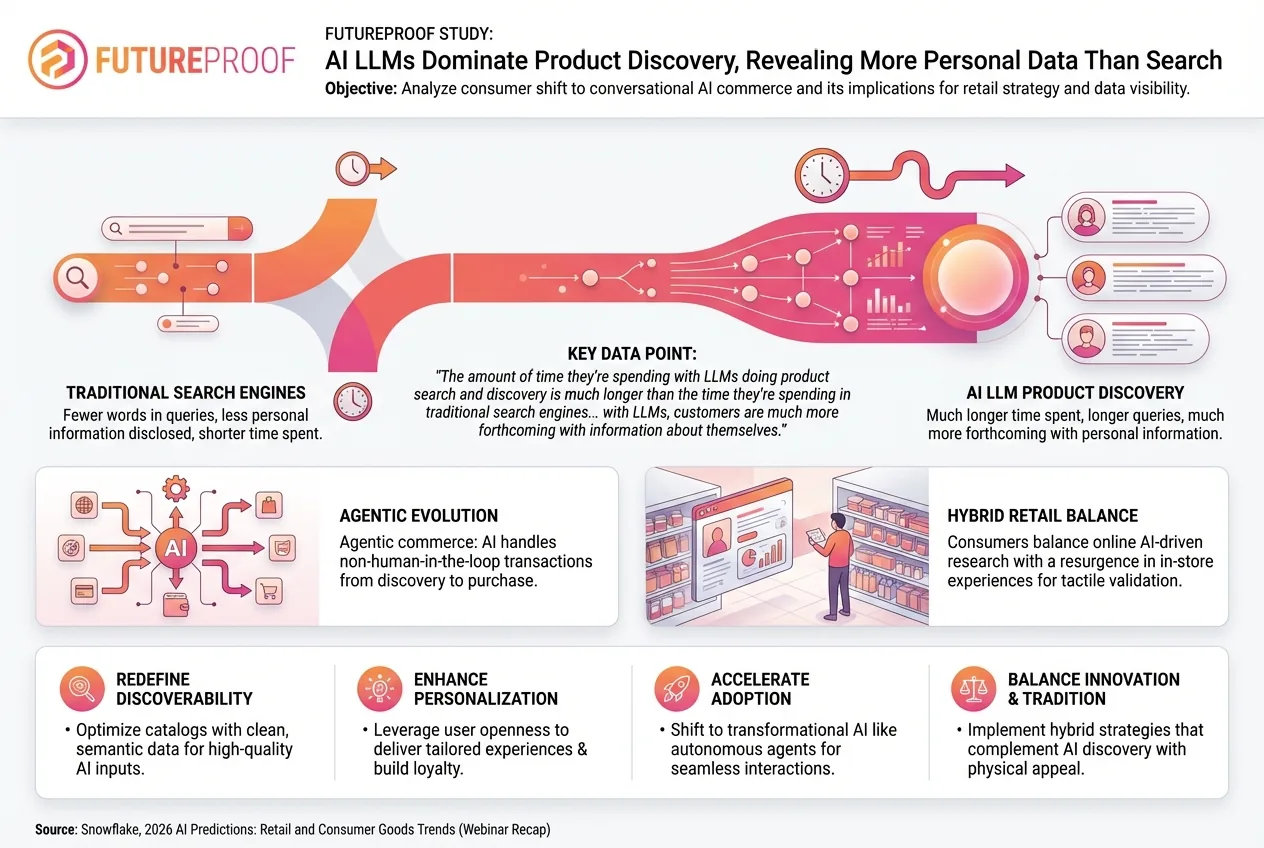
The landscape of retail product discovery is undergoing an unprecedented transformation, fundamentally reshaped by the pervasive integration of artificial intelligence Large Language Models (LLMs). Consumers are now spending significantly more time interacting with these sophisticated AI platforms for their purchasing decisions, signaling a pivotal shift away from the transactional, keyword-driven searches that have dominated digital commerce for decades. This evolution is not merely a change in interface; it represents a profound alteration in how buyers identify, research, and ultimately acquire products, driven by the LLMs' capacity for deeper, more contextual, and profoundly personalized recommendations that traditional search engines simply cannot emulate.
The paradigm shift is evident in the very nature of consumer queries. Where conventional search engines encouraged brevity and precision with short, often fragmented keywords – "running shoes," "smart TV," "skin care routine" – LLMs invite, and indeed thrive on, expansive, conversational, and highly detailed input. Users are no longer constrained by the need to distill their complex needs into a few precise terms; instead, they engage in rich, natural language dialogues with AI, sharing a wealth of personal detail. This includes not only explicit product requirements but also implicit preferences, lifestyle contexts, emotional drivers, budget constraints, ethical considerations, and even aspirational goals. For instance, instead of typing "waterproof jacket," a consumer might prompt an LLM with, "I'm looking for a durable, lightweight waterproof jacket for hiking in the Pacific Northwest during spring, I tend to get cold easily, prefer earth tones, and want something that packs down small and is made from recycled materials, ideally under $200." This granular level of detail unlocks an entirely new dimension of product matching, moving far beyond simple feature comparison.
This surge in consumer willingness to share significantly more personal information and engage in longer, more elaborate queries is a critical differentiator. A key data point highlighted by the 2026 AI Predictions: Retail and Consumer Goods Trends from the Snowflake blog underscores this behavioral change, noting that consumers spend much longer using LLMs for search and share significantly more personal information compared to traditional search engines, which rely on shorter, less detailed queries. This fundamental shift empowers LLMs to act less like a catalog indexer and more like a highly intelligent, patient, and discerning personal shopper. They can cross-reference multiple layers of information – the user's explicit request, their implied preferences from previous interactions, broader market trends, and the intricate attributes of available products – to construct recommendations that resonate on a far deeper level.
The result is a discovery process that feels inherently more human and collaborative. LLMs can interpret nuance, understand sentiment, and infer intent in ways that keyword algorithms cannot. They can suggest not just products that match criteria, but products that fit a lifestyle, solve a latent problem, or enhance an experience. For a retailer, this translates into an unprecedented opportunity to connect with customers at a moment of high intent and deep engagement. The recommendations generated by LLMs are not merely product listings; they are curated suggestions, often accompanied by explanations of why a particular item is a good fit, drawing on the entirety of the shared context. This conversational, explanatory nature builds trust and educates the consumer, fostering a more informed and confident purchasing decision.
However, the immense power of LLM-driven product discovery comes with a stringent prerequisite for retailers: impeccably clean, semantic product data. As consumers pivot towards conversational and increasingly agentic commerce – where LLMs might autonomously research, compare, and even initiate purchases on behalf of a user – the quality and structure of a retailer's product catalog become paramount. Without well-structured, semantically rich product data, even the most advanced LLM will struggle to surface relevant items effectively.
Semantic product data moves beyond basic attributes; it encompasses a holistic, interconnected web of information that defines a product in a way that AI can truly "understand." This means going beyond simple product names and SKUs to include comprehensive, natural language descriptions, detailed specifications, rich metadata, hierarchical categorizations, relationships to other products (e.g., complementary items, accessories, alternatives), customer reviews analyzed for sentiment, sizing charts with contextual advice, material compositions, care instructions, and even ethical sourcing details. Each attribute must be meticulously defined, standardized, and consistently applied across the entire catalog.
Imagine a product catalog where a "blue shirt" is simply "blue shirt." An LLM receiving a query for "a men's casual button-down shirt in a dark indigo, suitable for a smart casual office environment, made from breathable organic cotton, that is wrinkle-resistant and can be machine washed" would struggle immensely with such sparse data. It lacks the semantic depth to understand "dark indigo" versus "sky blue," "smart casual office environment" versus "weekend wear," or the significance of "organic cotton" and "wrinkle-resistant." In contrast, a retailer with semantic data would have attributes for color shade, formality level, fabric composition and certifications, specific care instructions, and even suggested occasions. This rich data empowers the LLM to filter, compare, and recommend with precision, ensuring that the consumer's detailed query yields highly relevant, contextual results.
The stakes for retailers are incredibly high. In this evolving landscape, products with incomplete, inconsistent, or poorly structured data will, quite simply, become invisible. They will fail to surface in LLM-driven experiences, regardless of their quality or value. This translates directly into lost sales, diminished brand visibility, and a significant competitive disadvantage. Retailers who neglect their product information management (PIM) systems and data quality initiatives are effectively opting out of the future of digital commerce. The shift to agentic commerce, where AI agents act on behalf of consumers to find optimal products, will further amplify this challenge, as these agents will prioritize and reward those retailers who provide the clearest, most comprehensive, and most easily digestible product information.
Investing in robust PIM systems, embracing standardized taxonomies and ontologies, and employing AI-powered data enrichment tools are no longer optional expenditures but critical strategic imperatives. Retailers must embark on comprehensive data audits, identifying gaps and inconsistencies in their existing catalogs. They need to develop and enforce rigorous data governance policies, ensuring that every new product added to the inventory is accompanied by a full suite of rich, semantic attributes. This includes leveraging natural language processing (NLP) to extract insights from product descriptions, reviews, and customer feedback to further enrich metadata and ensure alignment with how consumers naturally describe and seek products.
Furthermore, retailers must consider the interoperability of their product data with broader customer data platforms (CDPs). By unifying product data with insights into individual customer preferences, purchase history, browsing behavior, and demographic information, retailers can empower LLMs to deliver hyper-personalized recommendations that anticipate needs and delight customers. This holistic view enables the AI to not just match a product to a query, but to match the right product to the right customer at the right time, fostering loyalty and driving repeat business.
The implications of consumers spending longer with LLMs and sharing significantly more personal information extend beyond immediate conversion. This deeper engagement provides retailers with an unprecedented opportunity to gather valuable first-party data and insights into evolving consumer preferences. By analyzing the types of queries being posed, the specific details shared, and the follow-up questions asked, retailers can gain a nuanced understanding of market demand, emerging trends, and unmet needs. This intelligence can then inform product development, marketing strategies, and inventory management, creating a more agile and customer-centric retail operation.
However, with increased data sharing comes increased responsibility. Retailers must also prioritize data privacy and transparency. While consumers are willing to share more with LLMs for better recommendations, they expect their data to be handled securely and ethically. Clear privacy policies, transparent data usage practices, and robust cybersecurity measures are essential to build and maintain the trust that underpins successful LLM-driven commerce. Balancing personalization with privacy will be a critical tightrope walk for retailers in this new era.
In conclusion, the ascendancy of AI LLMs as the primary conduit for product discovery represents a seismic shift in retail. It elevates the consumer experience, offering unparalleled personalization and contextual relevance through conversational interfaces and the sharing of detailed personal information. For retailers, this transformation is a clear call to action: the future of product visibility and sales hinges on the immediate and sustained investment in clean, semantic product data. Those who embrace this imperative, meticulously structuring and enriching their catalogs, will not only ensure their products surface effectively in AI-driven experiences but will also forge deeper, more meaningful connections with their customers, securing a competitive edge in the rapidly evolving landscape of digital retail. Conversely, those who fail to adapt risk becoming invisible in a world where AI-powered discovery is the new norm. The time to act is now, transforming product data from a mere inventory listing into the intelligent, discoverable backbone of the next generation of commerce.