Meta's Bold Leap: Transforming Consumer AI with Specialized Agents

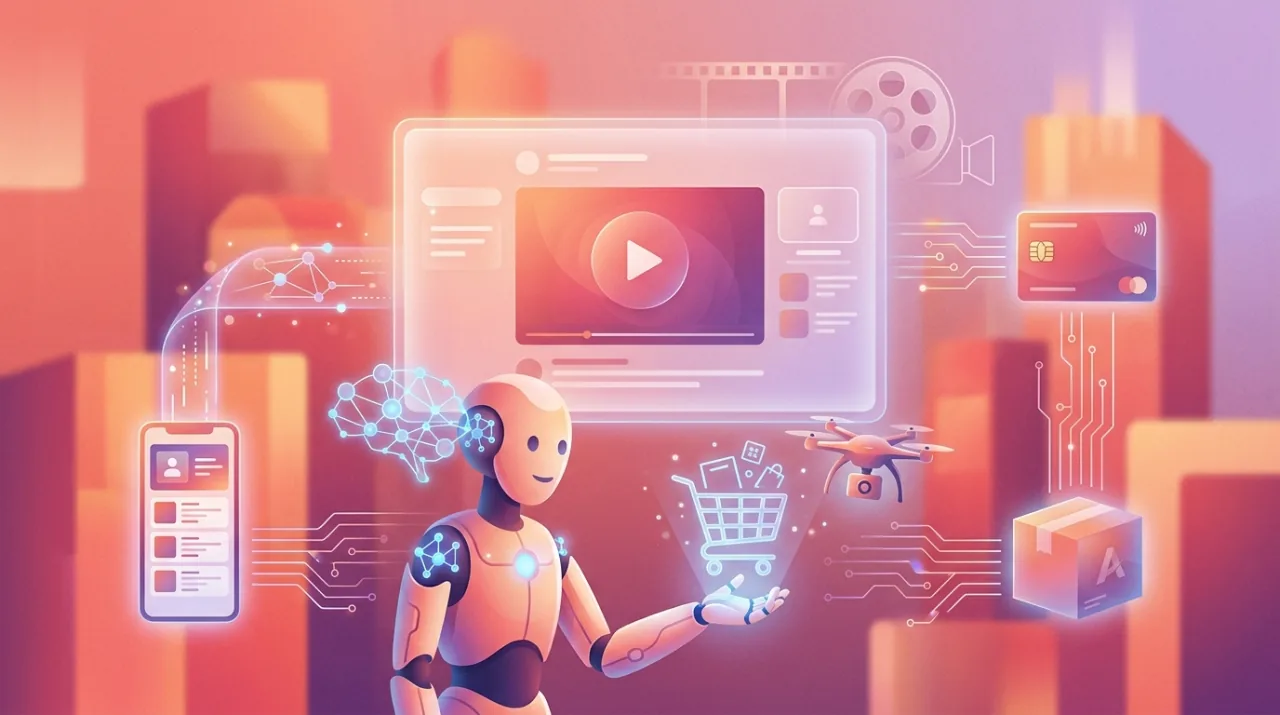
The digital landscape is on the cusp of a profound transformation, spearheaded by technological giants like Meta. Far from the simplistic chatbots of yesteryear, a new breed of artificial intelligence is emerging: the specialized, persistent agent, deeply embedded within the applications we use daily. This shift, signaled powerfully by Meta’s consumer-agent push, promises to redefine how we interact with technology, moving us from reactive queries to proactive, intelligent assistance [1]. At the heart of this evolution are reports indicating Meta is actively training a new internal agent codenamed Hatch and, in a parallel yet equally significant development, planning a separate shopping agent for Instagram [1]. These initiatives are not mere incremental updates; they represent a fundamental reorientation of consumer AI, transitioning from generic chat interfaces toward highly functional, task-specific agents designed to enhance practical, recurring tasks within our mainstream digital ecosystems.
The Strategic Shift: Meta’s Vision for Consumer AI Agents
Meta’s reported endeavors with Hatch and the Instagram shopping agent are critical indicators of a strategic pivot in the consumer AI domain. For years, AI interaction has largely been characterized by chat interfaces – text boxes where users pose questions and receive direct answers. While useful, these interactions often lack persistence, context, and the ability to execute complex, multi-step workflows [1]. Meta’s new direction seeks to address these limitations head-on, ushering in an era where AI agents become integral, almost invisible, partners in our digital lives.
The internal agent codenamed Hatch, described as a general consumer agent, suggests Meta is building foundational AI capabilities that can be broadly applied across its vast portfolio of platforms. A "general consumer agent" implies an AI designed to understand a wide array of user intents, manage diverse tasks, and learn from a broad spectrum of human interaction data. This foundational work is crucial, as it could power a multitude of specialized applications in the future, providing a cohesive AI backbone across Meta’s various services, from Facebook to WhatsApp to Horizon Worlds. The training of Hatch internally indicates a significant investment in developing robust, scalable AI infrastructure capable of supporting advanced agent functionalities for millions, if not billions, of users. It’s about creating an intelligent layer that can interpret, anticipate, and act on user needs across different contexts and platforms.
Simultaneously, the development of a dedicated shopping agent for Instagram highlights a crucial aspect of this new AI paradigm: specialization. Instagram, with its strong visual appeal and existing e-commerce features, presents a fertile ground for an AI agent focused specifically on enhancing the shopping experience. This move acknowledges that while general intelligence is powerful, specialized intelligence, finely tuned to a particular domain, can deliver superior utility and user satisfaction within that specific context [1]. The Instagram shopping agent wouldn’t just answer questions about products; it would actively facilitate the entire shopping journey, from discovery to purchase and beyond. This dual approach – a general foundational agent like Hatch and specialized agents like the Instagram shopping agent – demonstrates a comprehensive strategy to embed AI deeply and effectively into the consumer experience.
Beyond Chat Interfaces: The Power of Task-Specific, Persistent Agents
The most significant takeaway from Meta’s consumer-agent push is the explicit move away from simple chat interfaces toward task-specific, persistent agents embedded in mainstream apps [1]. This distinction is vital for understanding the future of consumer AI.
Traditional chat interfaces are primarily reactive. You ask a question, and the AI provides an answer. The interaction is often stateless, meaning the AI doesn't remember previous conversations or anticipate future needs effectively. Each interaction is a new starting point. While advancements have made conversational AIs more sophisticated, they still largely operate within the confines of a single conversational thread or immediate request.
Task-specific, persistent agents represent a fundamental departure.
- Task-Specific: Unlike a general chatbot that tries to answer everything, a task-specific agent is designed and optimized for a particular domain or set of tasks. For example, a shopping agent understands product attributes, pricing, availability, delivery logistics, and user preferences for purchasing. This narrow focus allows for deeper expertise, higher accuracy, and more relevant assistance within that domain. It can navigate complex workflows associated with that task with far greater efficiency and less error than a general-purpose AI.
- Persistent: Persistence means the agent maintains context, remembers past interactions, user preferences, and ongoing goals over time. If you’re planning a trip with a travel agent, it remembers your destination, preferred airlines, budget, and who you’re traveling with, even if you close the app and return days later. This memory allows the agent to offer proactive suggestions, pick up where you left off, and build a cumulative understanding of your needs and habits. This makes interactions feel far more natural, efficient, and personalized. It transforms the AI from a simple tool into a genuine digital assistant that understands your ongoing needs.
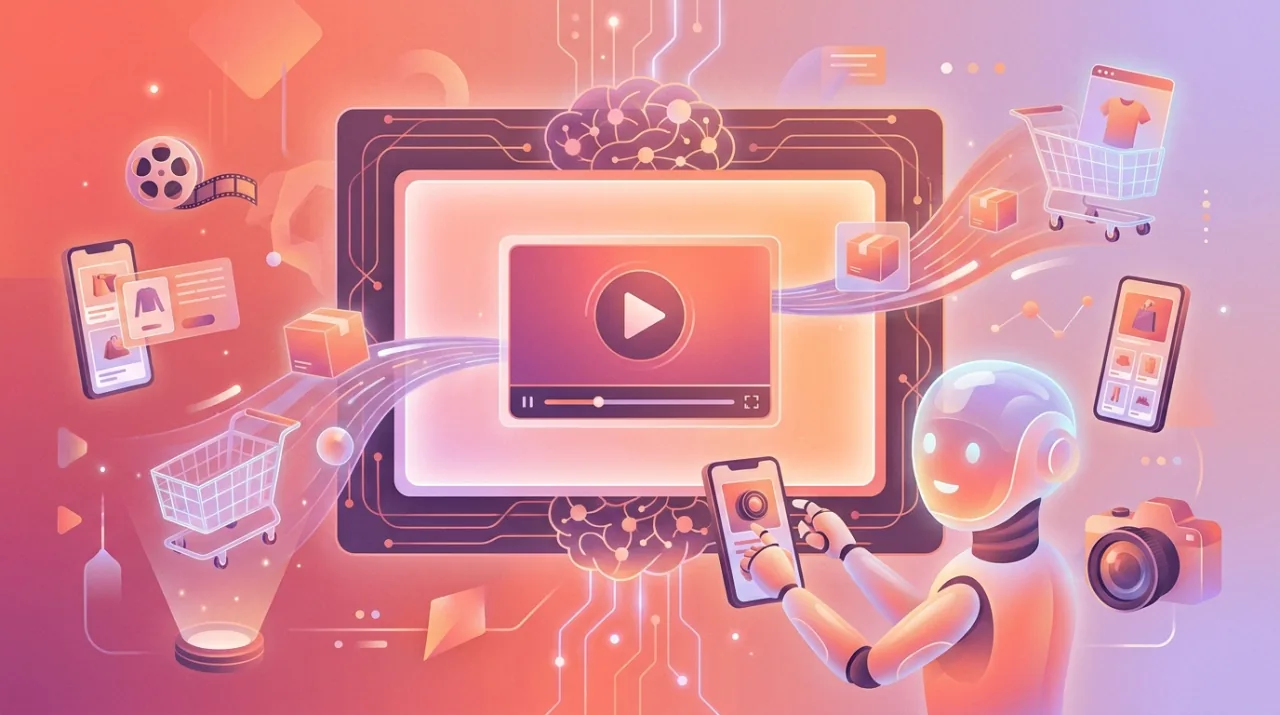
- Embedded in Mainstream Apps: Integrating these agents directly into apps like Instagram, Facebook, or WhatsApp means they are available exactly where users already spend their time and perform relevant activities [1]. This seamless embedding reduces friction, eliminates the need to switch between apps, and makes AI assistance feel like an organic extension of the app’s native functionality. Imagine asking an Instagram shopping agent about a dress you saw in a friend’s story and having it instantly check sizes, prices, and even complete the purchase without ever leaving the feed. This integration lowers the barrier to adoption and maximizes utility by placing intelligent assistance precisely at the point of need.
This paradigm shift suggests that AI will no longer be an add-on or a separate utility but an intrinsic layer of intelligence woven into the very fabric of our most popular digital platforms.
The Specialized Agent Revolution: Handling Practical, Recurring Tasks
The advent of specialized agents signals the next phase of consumer AI, where the focus moves squarely to agents that can handle practical, recurring tasks rather than just answering questions [1]. This is a crucial distinction. Answering questions is passive; handling tasks is active and outcome-oriented.
Consider the daily grind: scheduling appointments, managing finances, planning meals, researching purchases, coordinating group activities, or simply remembering where you saved that important document. These are all practical, recurring tasks that consume significant cognitive load and time. Current AI often falls short in fully automating or even significantly streamlining these multi-step processes.
Specialized agents, however, are specifically engineered for these kinds of challenges.
- Enhanced Efficiency: By focusing on a narrow domain, these agents can be trained on massive datasets specific to that domain, leading to unparalleled efficiency in task execution. A specialized productivity agent, for instance, could manage your calendar, prioritize emails, suggest optimal times for meetings based on your habits, and even draft responses, all with minimal human intervention.
- Proactive Assistance: Unlike reactive chatbots, specialized agents can be proactive. A shopping agent could alert you when an item you viewed goes on sale, suggest complementary products, or remind you about an expiring coupon. A travel agent could monitor flight prices for your dream vacation and notify you of the best time to book. This proactive intelligence anticipates needs, saving users time and effort.
- Contextual Understanding: Because these agents are persistent and deeply embedded, they build a rich understanding of user context over time. This allows them to offer highly personalized and relevant assistance. A fitness agent, for example, would know your workout history, dietary preferences, and health goals, providing tailored advice and program adjustments rather than generic recommendations.
- Reduced Cognitive Load: Offloading routine, multi-step tasks to an intelligent agent frees up mental energy for more complex or creative endeavors. Imagine an agent managing your entire grocery shopping list, finding the best deals, ordering, and scheduling delivery. This automation significantly reduces the cognitive burden of managing daily life.
The early use cases of shopping and personal productivity are perfect examples of practical, recurring tasks that stand to benefit immensely from this specialized agent approach [1]. These are areas where users frequently engage in multi-step processes, seek efficiency, and appreciate personalization. By proving their value in these high-frequency domains, specialized agents can lay the groundwork for broader adoption across countless other aspects of our digital lives.
Early Frontiers: Instagram Shopping and General Productivity
Meta's reported focus on a shopping agent for Instagram and general productivity agents like Hatch provides a clear roadmap for the immediate future of consumer AI.
The Instagram Shopping Agent: Revolutionizing E-commerce
The concept of a dedicated shopping agent for Instagram holds immense potential for both consumers and businesses [1]. Instagram is already a powerhouse for product discovery and direct-to-consumer sales, with users regularly browsing feeds for inspiration, following brands, and engaging with shoppable content. An AI agent embedded within this environment would dramatically elevate the shopping experience.
Imagine the following scenario: You see an influencer post about a stylish new jacket. Instead of manually searching for it, screenshotting, or trying to find links, you could simply tap on the image, and the Instagram shopping agent would instantly:
- Identify the product: Using advanced image recognition, it would pinpoint the jacket.
- Check availability and price: It would search various retailers, compare prices, and display current stock levels.
- Offer personalized recommendations: Based on your past purchases, browsing history, and style preferences, it might suggest complementary items or alternative styles.
- Facilitate purchase: With your payment and shipping details securely stored (and permission granted), the agent could complete the purchase with a single tap, streamlining the entire checkout process.
- Manage post-purchase: The agent could track your order, alert you to shipping updates, and even assist with returns or exchanges if needed.
For consumers, this translates to unparalleled convenience, personalized discovery, and a highly efficient buying process. The friction points of online shopping – searching, comparing, entering details – are minimized or eliminated. For businesses, especially small and medium-sized enterprises relying heavily on Instagram for sales, the agent could lead to higher conversion rates, improved customer satisfaction, and more targeted advertising opportunities. Meta itself would benefit from increased engagement, transaction fees, and deeper insights into consumer purchasing behavior. This specialized agent transforms Instagram from a product display platform into a full-fledged, intelligent shopping ecosystem.
Hatch and General Productivity: Empowering Daily Digital Life
While the Instagram agent is specialized, the internal training of Hatch as a general consumer agent points to broader applications in personal productivity [1]. Productivity is a vast domain, encompassing everything from scheduling and communication to information management and creative tasks. A workflow-oriented agent like Hatch could become an indispensable digital assistant.
Consider how Hatch could enhance productivity:
- Intelligent Scheduling: Beyond just setting reminders, Hatch could analyze your calendar, identify optimal times for tasks, proactively suggest meeting slots, and even reschedule conflicting appointments based on priorities.
- Information Synthesis: Instead of manually sifting through emails, documents, and web pages, Hatch could retrieve specific information, summarize lengthy articles, or generate reports based on disparate data sources.
- Communication Assistance: It could draft emails, summarize long conversations, or even filter and prioritize incoming messages based on urgency and sender importance.
- Task Management: Hatch could break down complex projects into actionable steps, assign deadlines, and remind you of upcoming tasks across various apps and platforms.
- Learning and Research: It could help you learn new skills by suggesting resources, summarizing complex topics, or even engaging in interactive tutorials.
The power of a general productivity agent lies in its ability to integrate across various aspects of your digital life, anticipating needs and automating routine cognitive tasks. This reduces mental fatigue, improves focus, and allows users to dedicate more time to high-value activities. The "general" nature of Hatch means it could serve as the intelligent layer connecting different Meta applications, making the entire ecosystem more coherent and helpful.
From Single-Turn Assistants to Workflow-Oriented Agents
The conceptual leap from single-turn assistants to workflow-oriented agents is perhaps the most defining characteristic of this new era of consumer AI [1]. This isn’t just about making AI smarter; it’s about making it capable of comprehensive action.
A single-turn assistant excels at discrete, isolated tasks. Asking "What's the weather?" or "Set a timer for 10 minutes" are classic examples. The interaction begins and ends with that single request. There's no memory of prior interactions, no anticipation of subsequent steps, and no understanding of a broader goal.
Workflow-oriented agents, in contrast, are designed to understand and execute multi-step processes, managing an entire sequence of actions to achieve a larger objective. They don't just answer questions; they help you do things.
- Shopping Example: Instead of merely answering "Is this shirt available?" (single-turn), a workflow-oriented shopping agent can "Help me find a blue shirt in my size, compare prices across stores, apply any available discounts, and finalize the purchase" (workflow-oriented). This involves multiple steps: searching, filtering, comparing, applying logic, and executing transactions.
- Planning Example: Instead of "What's a good restaurant nearby?" (single-turn), a workflow-oriented planning agent can "Plan a birthday dinner for 5 people next Saturday, find a highly-rated Italian restaurant with vegetarian options, check availability at 7 PM, and make a reservation" (workflow-oriented). This entails research, preference matching, availability checks, and booking.
- Productivity Example: Instead of "Remind me to call John" (single-turn), a workflow-oriented productivity agent can "Schedule a 30-minute call with John next week, find a suitable slot in both our calendars, send him an invite, and prepare a summary of our last conversation for the meeting" (workflow-oriented). This encompasses calendar management, communication, and information retrieval.
The ability of these agents to support shopping, planning, and productivity inside apps consumers already use is crucial [1]. It signifies a future where AI isn't a separate application you launch for specific queries, but an intelligent layer seamlessly integrated into the very fabric of platforms like Instagram, Facebook, and WhatsApp. This integration means minimal disruption to user habits, immediate access to powerful assistance, and a natural evolution of how we interact with our digital tools. By embedding these workflow-oriented agents directly into mainstream apps, Meta aims to make AI assistance ubiquitous, intuitive, and ultimately, indispensable for daily life.
The Broader Implications: Reshaping Consumer AI and the Digital Landscape
Meta’s robust push into consumer agents, particularly with Hatch and the Instagram shopping agent, has far-reaching implications that extend beyond just individual user convenience. It signifies a pivotal moment in the evolution of consumer AI, poised to reshape market dynamics, user expectations, and the very nature of digital interaction.
Transforming User Experience and Expectations: As users become accustomed to persistent, task-specific, workflow-oriented agents that proactively assist them within their favorite apps, their expectations for all digital interactions will rise. The clunky, fragmented experiences of today will feel increasingly outdated. Users will demand seamless, intelligent assistance that anticipates their needs and executes multi-step tasks with minimal effort. This will create a powerful feedback loop, driving further innovation in AI development across the industry.
New Avenues for Monetization and Platform Stickiness: For Meta, these agents open up significant new monetization opportunities. Beyond traditional advertising, shopping agents can facilitate direct transactions, potentially taking a cut of sales or offering premium features to businesses. Productivity agents could unlock subscription models for advanced capabilities. Critically, by making Meta's apps more useful and powerful, these agents will increase user engagement and platform stickiness, making it harder for users to leave for competing services. The more tasks an agent can perform within Meta's ecosystem, the more deeply users will be entwined with it.
Intensifying Competition in the AI Race: Meta's aggressive move with Hatch and the Instagram agent will undoubtedly intensify the AI arms race among tech giants. Companies like Google, Apple, Amazon, and Microsoft are all investing heavily in their own AI assistants and agent technologies. The focus will shift from who has the most advanced underlying AI model to who can deploy the most effective, specialized, and user-friendly agents within their respective ecosystems. This competition will spur rapid innovation, benefiting consumers with increasingly sophisticated and helpful AI tools.
Data, Personalization, and Privacy Considerations: The effectiveness of persistent, specialized agents hinges on their ability to understand and utilize vast amounts of user data – preferences, habits, past actions, and ongoing goals. This necessitates robust data privacy frameworks and transparent policies. Users will need assurances that their data is being handled securely and ethically, especially as agents become more deeply integrated into personal and financial workflows. Meta will face the challenge of balancing powerful personalization with stringent privacy protection, a critical factor for widespread adoption and trust.
Ethical AI Development and Societal Impact: As AI agents become more autonomous and integral to our daily lives, ethical considerations will come to the forefront. Questions around bias in AI algorithms, transparency in decision-making, job displacement, and the potential for over-reliance on AI will require careful thought and proactive solutions. The development of sophisticated agents like Hatch will demand a commitment to responsible AI practices, ensuring these technologies serve humanity positively.
The Future Beyond Shopping and Productivity: While shopping and productivity are excellent early use cases, the potential of task-specific, workflow-oriented agents is virtually limitless. Imagine specialized agents for:
- Health and Wellness: Managing appointments, tracking fitness goals, suggesting personalized meal plans based on dietary needs.
- Education and Learning: Tutoring, creating personalized study plans, summarizing academic papers.
- Home Management: Automating smart home devices, managing energy consumption, assisting with maintenance tasks.
- Creative Assistance: Helping writers overcome blocks, assisting designers with ideation, generating basic multimedia content.
These agents represent a fundamental shift towards truly intelligent systems that don’t just process information but actively participate in and enhance our complex human workflows, making our digital lives more efficient, enjoyable, and productive.
Challenges and the Road Ahead
While the vision for Meta's consumer-agent push is compelling, the path forward is not without its challenges.
- Technical Complexity and Reliability: Developing agents that are truly persistent, understand context, execute multi-step workflows accurately, and operate at Meta's scale is an enormous technical undertaking. Errors or unreliability could quickly erode user trust.
- User Adoption and Trust: Convincing users to delegate significant tasks to an AI, especially those involving sensitive information like purchases or personal schedules, will require demonstrating clear value, robust security, and unwavering reliability.
- Ethical Oversight and Bias Mitigation: As AI agents learn from vast datasets, the risk of perpetuating or amplifying societal biases is real. Meta will need strong ethical AI frameworks to ensure these agents are fair, transparent, and beneficial for all users.
- Interoperability and Ecosystem Cohesion: For Hatch to truly be a "general consumer agent," it will need to seamlessly integrate and operate across Meta's diverse family of apps and potentially even third-party services. Achieving this level of interoperability while maintaining performance and security is a significant hurdle.
- Privacy-Preserving Personalization: The ability to offer highly personalized assistance without compromising user privacy is a delicate balance. Meta will need innovative approaches to data handling and user control to build confidence.
Despite these challenges, the direction is clear. Meta's investment in Hatch and the Instagram shopping agent signals a definitive move towards an AI future characterized by specialized, persistent, workflow-oriented agents embedded directly into the applications we use every day. This is not merely an incremental upgrade to existing AI; it is a foundational shift that promises to redefine the relationship between humans and artificial intelligence, moving from simple queries to sophisticated, proactive partnership in our digital lives.
Conclusion: A New Era of Consumer AI Defined by Meta's Agent Push
The reports surrounding Meta’s consumer-agent push, particularly the internal development of Hatch and the planned shopping agent for Instagram, mark a watershed moment in the evolution of artificial intelligence [1]. This isn't just another incremental step; it's a profound strategic pivot that indicates consumer AI is definitively moving beyond simple chat interfaces toward task-specific, persistent agents deeply embedded in mainstream applications [1].
The significance of this transition cannot be overstated. It highlights that the next phase of consumer AI will be characterized by specialized agents meticulously designed to handle practical, recurring tasks rather than merely answering questions [1]. Whether it’s streamlining the entire e-commerce journey on Instagram or enhancing personal productivity through a general agent like Hatch, Meta is paving the way for AI to become an indispensable, proactive partner in our daily digital lives.
This fundamental shift reflects an evolution from single-turn assistants that respond to isolated queries to workflow-oriented agents capable of understanding and executing complex, multi-step processes [1]. By supporting shopping, planning, and productivity directly inside the apps consumers already use, Meta is poised to deliver an unprecedented level of convenience, personalization, and efficiency. The implications stretch far beyond mere technological advancement; they promise to reshape user expectations, drive intense competition within the tech industry, and redefine the very nature of human-AI interaction. As Meta continues to develop and deploy these sophisticated agents, we stand at the precipice of a new era where intelligent AI is not just a tool, but an integral, intelligent layer woven into the fabric of our digital existence. The future of consumer AI is here, and it's specialized, persistent, and deeply embedded.