How Home-Based AI is Transforming American Lives and Expectations
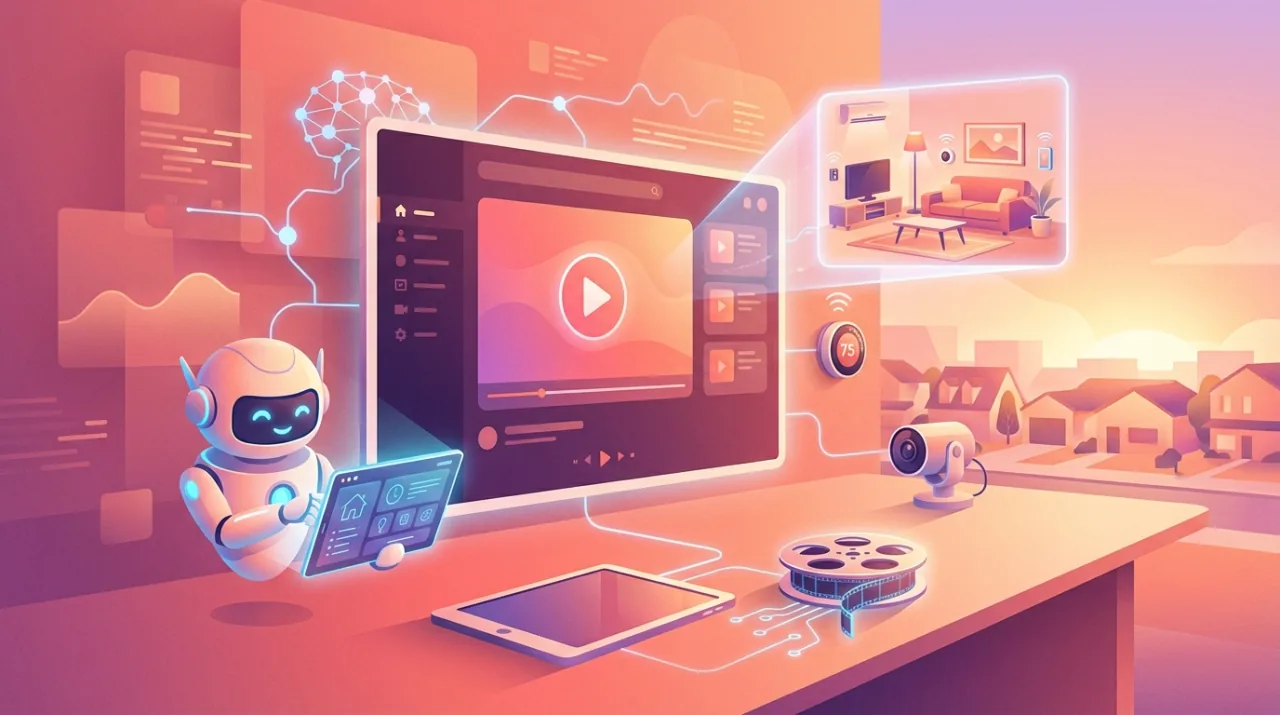
The quiet revolution unfolding within American homes today is not one of political upheaval or economic restructuring, but a profound transformation of how individuals interact with artificial intelligence. Forget the intimidating workshops or the structured corporate training modules; the most impactful lessons in AI are being learned through daily, personal engagement in the most familiar of environments: the home. This crucial phenomenon, identified by Suzy.com in their insightful 2026 report, "Consumers learn AI in the home first: Personal use shapes professional expectations," underscores a fundamental shift. Home-based AI experimentation is not merely a convenience; it’s building a deep-seated consumer intuition, priming us for a future where AI proactively manages critical aspects of our lives, from health to financial well-being [2].
This domestic immersion is accelerating AI adoption and fostering a unique brand of confidence, far outpacing what any workplace curriculum could achieve. As AI agents evolve to handle increasingly complex, multi-step tasks, consumers are discovering AI’s potential to anticipate needs, adjust behaviors, and optimize long-term outcomes. This hands-on learning ignites a preventative mindset that is poised to redefine expectations across numerous industries. Brands and service providers must recognize this evolving landscape and pivot to develop tools that synthesize intricate data into actionable, preventative guidance, lest they be left behind in the wake of this consumer-driven AI awakening [2].
The Domestic Laboratory: How AI is Reshaping Home Life
The American home has rapidly become a vibrant laboratory for artificial intelligence. From smart thermostats that learn our preferences to voice assistants that manage our schedules, AI is no longer a futuristic concept but an embedded reality in daily routines. Consumers are integrating AI for an ever-expanding array of everyday tasks, embracing its utility for everything from managing intricate personal finances to planning nuanced health routines, supporting educational endeavors, and solving complex household problems [2].
Consider the sheer breadth of this adoption. Families are using AI-powered tools to curate personalized learning experiences for children, adapting content and pace to individual needs. Smart kitchens leverage AI to suggest recipes based on available ingredients, track nutritional intake, and even order groceries. Home security systems, once simple alarms, now employ AI for sophisticated anomaly detection, differentiating between a delivery driver and an unauthorized intruder, or even identifying a pet versus a person. This ubiquitous presence means that engagement with AI isn't an occasional event; it's a continuous, intuitive process.
What makes this home-based experimentation so effective? Firstly, it’s a low-stakes environment. Mistakes with a personal finance AI might be inconvenient, but they rarely carry the same professional repercussions as errors made using an enterprise AI system. This freedom to explore, to push boundaries, and to learn through trial and error fosters a unique hands-on confidence. Users aren't following a manual; they're actively co-creating their AI experience, discovering its capabilities and limitations through direct interaction. This organic learning process builds a deeper understanding and trust in AI’s potential faster and more effectively than any formal workplace training could [2].
Secondly, personal AI often offers immediate, tangible benefits. An AI that helps balance a budget or suggests a healthier meal plan provides direct, personal value, reinforcing its utility. This continuous feedback loop cultivates a deeper intuition about how AI functions, how to prompt it effectively, and how to interpret its outputs. Consumers become adept at identifying scenarios where AI can add value and discerning when human oversight is still paramount. This isn't just about using a tool; it's about developing a new cognitive partnership with technology, shaping a generation of AI-literate individuals who understand AI’s proactive capabilities on an innate level.
Building Intuition: From Simple Queries to Complex Scenarios
The evolution of consumer intuition regarding AI is a fascinating journey, mirroring the rapid advancements in AI agent capabilities. What began with simple voice commands for playing music or setting timers has progressed exponentially. Today, the average American consumer is moving beyond basic queries, learning to delegate complex, multi-step tasks to their AI counterparts. This progression is pivotal, teaching users to anticipate AI’s ability to perform research, conduct comparisons, and even manage transactions within seamless conversational flows [1][2].
This isn't merely about technological adoption; it's about a fundamental cognitive shift. Users are learning to *think with* AI, rather than just *at* it. They're developing an understanding of AI’s predictive power, its ability to connect disparate pieces of information, and its capacity to execute sequences of actions autonomously. This delegation of complex tasks, initially experienced in the comfort of home, builds profound trust. For instance, an AI agent might be tasked with researching and comparing different energy providers, analyzing contract terms, and even initiating the switch – all through natural language interaction. While consumer reliance on AI for purchases has grown significantly, with over 33% now using them, this capability primarily serves as a trust-builder for the agent's broader prowess in handling intricate, critical life management [1][2]. The ease and accuracy with which AI agents manage these varied tasks reinforce the idea that AI can be a reliable partner in navigating life's complexities, preparing consumers to embrace even more proactive applications.
This intuitive understanding extends to appreciating the subtle nuances of AI. Consumers are learning to differentiate between scenarios where AI excels at data synthesis and prediction, and those where human empathy, critical judgment, or creative problem-solving remains indispensable. They’re becoming adept at framing their requests in ways that yield the most effective AI responses, essentially learning the "language" of intelligent agents. This intimate, iterative learning process at home lays the groundwork for higher expectations concerning AI’s sophistication and reliability when encountering it in professional and commercial settings. It's an unspoken curriculum that equips individuals with a practical, applied understanding of AI's potential, moving them from passive users to active collaborators.
The Rise of Proactive Living: AI as a Preventative Partner
The most profound outcome of home-based AI experimentation is the cultivation of a "preventative mindset." No longer content with reactive solutions, consumers are now leveraging AI to anticipate risks, adjust behaviors proactively, and optimize their long-term well-being. This shift is particularly impactful in critical areas like healthcare, wellness, and financial management, where AI is emerging as an indispensable partner for foresight and planning [2].
Health and Wellness: AI as Your Personal Health Co-Pilot
In healthcare and wellness, AI's role is rapidly expanding beyond simple symptom checkers to become a sophisticated, proactive health co-pilot. Personal AI systems, often integrated with wearables and smart home devices, are constantly analyzing a myriad of data points to provide highly personalized insights. Imagine an AI that tracks your sleep patterns, heart rate variability, activity levels, and dietary intake, then synthesizes this information to flag potential issues before they become serious. It might suggest dietary adjustments to optimize gut health, recommend specific exercises to improve cardiovascular fitness, or even detect early signs of stress or impending illness, prompting a timely check-up.
This preventative approach is revolutionary. AI can monitor chronic conditions, alert users to deviations from their baseline, and provide personalized coaching to manage symptoms or adhere to treatment plans. For instance, an individual with pre-diabetes might receive AI-driven nudges to choose healthier snacks, go for a walk after meals, and track their blood glucose levels, all aimed at preventing the onset of type 2 diabetes. Furthermore, AI can provide mental wellness support, offering guided meditations, mood tracking, and even conversational therapy interfaces that recognize patterns indicative of declining mental health and suggest professional intervention when appropriate. The ability of AI to synthesize complex physiological and behavioral data into actionable, preventative guidance is fundamentally changing how Americans approach their health, shifting from illness management to proactive wellness optimization [2]. It also empowers consumers to share AI-generated summaries of their health trends with their medical providers, facilitating more informed and personalized care.
Financial Management: Building a Resilient Economic Future
Similarly, AI is transforming personal finance from a reactive chore into a proactive strategy for long-term economic resilience. Home-based AI financial assistants go far beyond simple budgeting apps; they anticipate financial risks, identify opportunities for growth, and guide users toward optimal long-term financial health.
These AI tools can monitor spending patterns, predict upcoming bill spikes, and even suggest behavioral adjustments to avoid debt accumulation. For example, an AI might detect an unusual increase in subscription services, alert the user, and offer a streamlined process to cancel unused ones, thereby preventing "subscription creep" from eroding savings. For larger financial goals like retirement planning or saving for a child's education, AI can simulate various investment scenarios, adjust recommendations based on market fluctuations and personal risk tolerance, and provide real-time guidance on portfolio optimization.
Insurance, traditionally a reactive safeguard, is also being reshaped by this preventative mindset. AI can analyze lifestyle data, driving habits, and health metrics to provide personalized insurance recommendations, optimize coverage, and even suggest actions that could lead to lower premiums by mitigating risk. For instance, an AI might recommend installing smart home security features to reduce home insurance costs or participating in wellness programs to lower health insurance premiums. The emphasis here is on leveraging AI to create a proactive financial defense, ensuring that individuals are not only prepared for the future but actively shaping a more secure one [2]. By anticipating financial pain points and proactively offering solutions, AI empowers consumers to make informed decisions that optimize their long-term financial wellbeing, moving beyond mere expense tracking to true wealth building and risk mitigation.
Shifting Expectations: From Personal Convenience to Professional Demands
The deep, intuitive understanding of AI forged in the home directly translates into significantly heightened expectations for AI’s role in professional services and industries. Consumers who routinely experience AI’s proactive capabilities in managing their personal health and finances will no longer tolerate static, reactive services from their banks, healthcare providers, or insurance companies. The bar has been raised; they now expect similar levels of personalization, foresight, and intuitive guidance in every interaction.
This means that industries are facing an unprecedented demand for "AI-powered foresight." Healthcare providers are expected to leverage AI for predictive diagnostics and personalized treatment plans, moving beyond episodic care to continuous health monitoring and preventative interventions. Financial institutions must offer AI-driven investment advice, real-time risk assessments, and proactive alerts for financial opportunities, rather than merely processing transactions. Insurance companies are now compelled to develop AI models that not only assess risk but actively help policyholders mitigate it, offering dynamic premiums and preventative guidance.
The consumer, having experienced the seamless integration of AI into their daily lives, now anticipates that professional services will be equally intelligent, adaptive, and predictive. They expect their bank to alert them to potential fraud *before* it happens, their doctor to use AI to flag potential health risks *before* symptoms manifest, and their insurance provider to proactively suggest ways to reduce their premiums through preventative measures. This isn't just about convenience; it's about a fundamental redefinition of value. Brands that fail to meet these evolving expectations risk being perceived as outdated, inefficient, and out of touch with the increasingly AI-literate consumer base. The shift is clear: personal AI experiences are shaping a new paradigm of professional service delivery, where proactive intelligence is no longer a luxury but a fundamental expectation.
The Evolution of AI Agents: Powering the Proactive Future (Feb 17, 2026 Context)
The aspirational vision of proactive AI in health and finance is not merely theoretical; it's being rapidly realized through the profound advancements in AI agent technology. As of February 17, 2026, AI agents have moved far beyond simple command-and-response systems. They are now highly sophisticated entities capable of handling complex, multi-step tasks, demonstrating an advanced understanding of user intent and context [1][2]. These agents are the technological backbone enabling the intuitive, preventative AI experiences that consumers are growing accustomed to at home.
Key progress includes the ability for these agents to conduct in-depth research, perform nuanced comparisons, and even manage transactions within entirely conversational flows [1][2]. While their transactional capabilities are significant, building trust through reliable execution, their broader strength lies in their capacity to understand complex requests and orchestrate multiple actions to achieve a goal. For example, an AI agent can not only research the best health insurance plans for a family but also compare policy details, identify potential savings through preventative measures, and even guide the user through the application process – all through a natural language interface. This holistic capability directly supports the preventative mindset, allowing users to offload cognitive load and rely on AI for comprehensive guidance.
Further advancements include collapsing commerce funnels into single chat interfaces, intent prediction from behavioral data, and seamless omnichannel integration [2][4]. This means an AI agent can track a user's health journey across different apps, devices, and even in-person interactions, synthesizing information to provide truly personalized, proactive advice. Conversational and voice shopping, powered by smart assistants and embedded agents, are becoming the default for many interactions, making AI accessible and intuitive for a vast user base [2][4].
Crucially, AI agents are shifting from being experimental tools to becoming core operational components across various industries, including retail and healthcare, with widespread deployment expected within the next 12-24 months [3]. This signifies a maturation of the technology, ready to support the complex demands of proactive health and financial management. By late 2026, the emergence of human-in-the-loop assistants is anticipated, where AI agents handle the bulk of data synthesis and recommendation generation, but critical decisions or highly sensitive tasks are flagged for human oversight [3][6]. This hybrid approach is vital for building and maintaining consumer trust, particularly in areas as sensitive as personal health and finance, ensuring accuracy and accountability.
To ensure that these advanced, proactive AI services are discoverable and accessible, optimization strategies like Generative Engine Optimization (GEO) are becoming indispensable [3]. GEO focuses on creating machine-readable content that AI agents can easily process and understand, allowing them to surface the most relevant and accurate preventative guidance. As agents become the primary interface through which consumers interact with brands and access information, optimizing for AI visibility is paramount. This robust evolution of AI agents, with their multi-step task capabilities, predictive intelligence, and seamless integration, is not just transforming how we shop or interact; it is fundamentally powering the proactive future of personal well-being.
Challenges and Opportunities for Brands and Service Providers
The shift towards AI-driven preventative living presents both profound opportunities and significant challenges for brands and service providers operating in the US market. Adapting to this new consumer paradigm requires strategic foresight and a willingness to innovate at an unprecedented pace.
Opportunities for Innovation and Deepened Engagement:
- Building Proactive Guidance Systems: The clearest opportunity lies in developing tools that synthesize complex data—from health metrics to financial transactions—into actionable, preventative guidance [2]. This moves beyond data presentation to prescriptive recommendations, helping consumers avoid problems before they arise. Brands that can effectively offer this foresight will gain immense loyalty.
- Personalized and Intuitive AI Experiences: Leveraging the data generated from home-based AI interactions, brands can create hyper-personalized experiences that truly resonate with individual needs and preferences. This level of customization, delivered through intuitive, conversational AI interfaces, will be a key differentiator.
- Deepening Customer Relationships: By acting as a proactive partner in consumers' health and financial well-being, brands can transcend transactional relationships and foster deeper, more meaningful engagement. This translates into higher customer lifetime value and stronger brand advocacy.
- Innovation in HealthTech, FinTech, and InsurTech: This trend fuels immense innovation across these sectors. New AI-powered platforms for early disease detection, personalized financial planning, dynamic insurance models, and comprehensive wellness ecosystems will emerge, creating new market leaders.
- New Data Insights: The aggregation of personal, preventative data (with consent) offers unparalleled insights into consumer behavior and needs, allowing brands to tailor products and services more precisely and anticipate future market demands.
Challenges Requiring Strategic Navigation:
- Data Privacy and Security: The collection and analysis of highly sensitive personal data, especially in health and finance, necessitate robust data privacy frameworks and ironclad security measures. Consumers will demand transparency and control over their data, and any breach of trust could be catastrophic. Navigating complex US privacy regulations (e.g., HIPAA for health data, various financial regulations) will be critical.
- Ensuring Accuracy and Reliability: The stakes are incredibly high when AI provides health or financial advice. Brands must invest heavily in ensuring the accuracy, reliability, and ethical grounding of their AI models. Misinformation or erroneous recommendations could lead to severe consequences for consumers and significant reputational damage for brands. Human oversight and transparent AI decision-making will be essential [3][6].
- Maintaining Human Oversight and Ethical AI Development: While AI agents are becoming more autonomous, the need for human-in-the-loop oversight, especially for critical decisions, remains paramount [3][6]. Brands must develop ethical AI guidelines that prioritize consumer well-being, fairness, and accountability. This includes addressing algorithmic bias and ensuring equitable access to these powerful tools.
- Bridging the Gap Between Consumer Expectations and Enterprise Capabilities: Many traditional enterprises may struggle to rapidly implement the sophisticated AI infrastructure and capabilities required to meet these new consumer expectations. Legacy systems, data silos, and a lack of AI talent can hinder progress, creating a significant competitive disadvantage.
- Seamless Integration and User Experience: Consumers expect AI interactions to be smooth, intuitive, and integrated across all touchpoints. Brands must invest in omnichannel strategies that ensure a consistent and coherent AI experience, whether through voice, chat, or other interfaces [2][4]. Fragmentation or clunky interfaces will quickly deter adoption.
- Trust and Adoption: Despite rising trust, some consumers remain hesitant to fully delegate sensitive decisions to AI. Brands must proactively build trust through transparency, education, and demonstrably reliable performance.
The US-Centric Lens: A Unique Trajectory
The trajectory of this AI revolution is particularly pronounced and uniquely shaped within the United States. Several factors contribute to why "Consumers learn AI in the home first: Personal use shapes professional expectations" resonates so strongly within a US-centric context. The US market is characterized by a high degree of technological adoption, a pervasive smart home ecosystem, and a consumer-driven approach to many services, including healthcare and finance.
Unlike some markets with more centralized healthcare or heavily regulated financial sectors, the US often places more responsibility and choice on the individual consumer. This environment naturally fosters a greater incentive for individuals to seek out proactive tools that help them navigate complex and often costly systems. The diversity of the US population also leads to a vast array of home-based experimentation, with varied demographics adopting AI for different personal needs, collectively enriching the learning curve for the entire market. Furthermore, the sheer scale of the US consumer market means that even niche AI applications can achieve significant traction, further accelerating the development and refinement of home-based AI tools. This fertile ground makes the American home a uniquely impactful crucible for shaping the future of proactive consumer AI.
Conclusion
The unassuming environment of the American home has emerged as the frontline of the artificial intelligence revolution. As consumers engage daily with AI for everything from routine tasks to complex problem-solving, they are inadvertently undergoing an intensive, hands-on education in AI’s capabilities. This domestic experimentation, as highlighted by Suzy.com, fosters a deep intuition and a profound sense of confidence, creating a generation of AI-literate individuals [2].
The most significant outcome of this intimate interaction is the burgeoning preventative mindset. Consumers are no longer content with AI as a mere problem-solver; they expect it to be a proactive partner, anticipating risks and optimizing outcomes in critical areas like health and financial management. This fundamental shift in consumer expectation is rapidly reshaping industries, compelling brands to move beyond reactive services and embrace AI-powered foresight and personalized guidance.
The continued evolution of AI agents, capable of handling multi-step tasks and integrating seamlessly across platforms, provides the technological bedrock for this proactive future. While challenges related to data privacy, ethical development, and bridging enterprise capabilities remain, the opportunities for brands to deepen relationships and deliver unparalleled value are immense. The future of consumer AI is personal, proactive, and profoundly integrated into our daily lives, driven by the intuitive understanding forged in the comfort and familiarity of our homes.