Wellness Is the New AI Filter Reshaping the Future of Digital Commerce
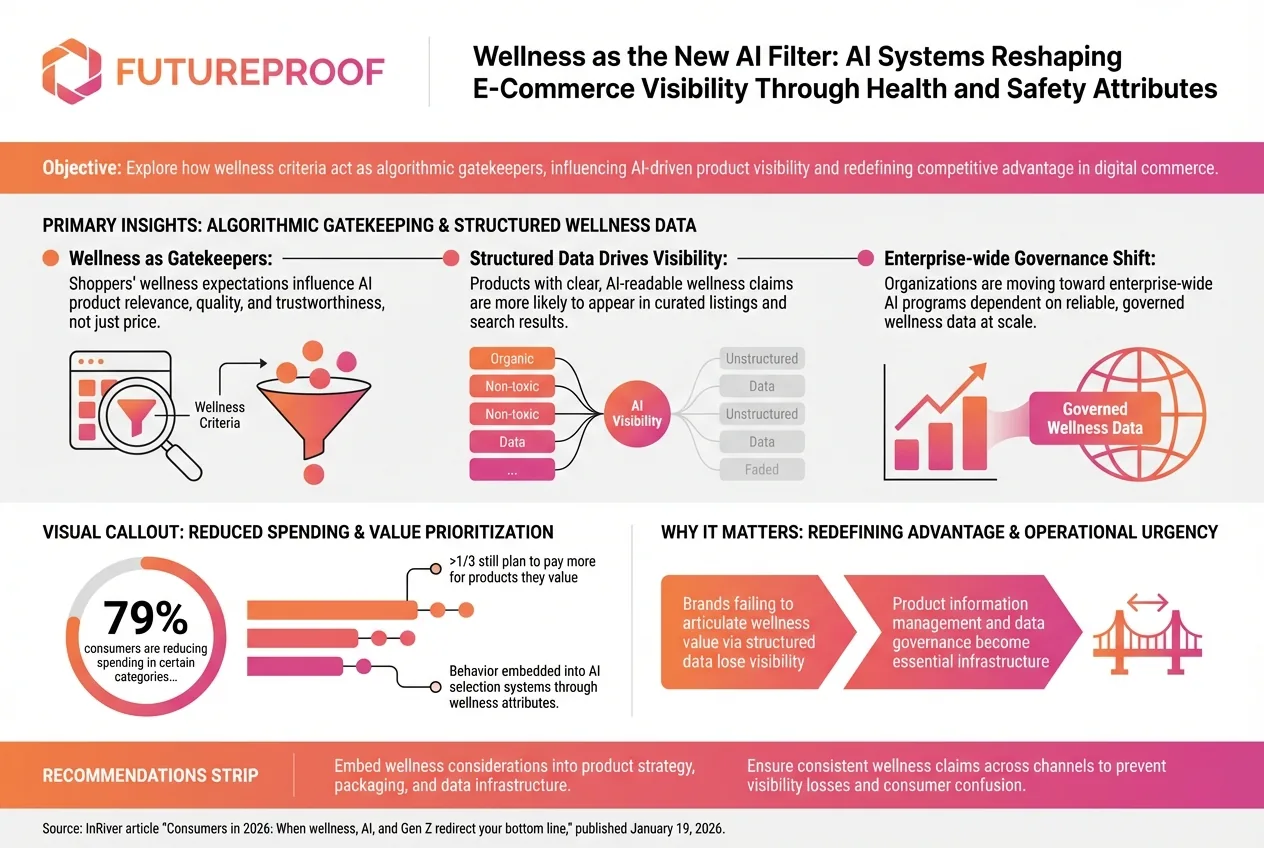
The landscape of digital commerce is undergoing a profound transformation, driven by an emergent force that is reshaping everything from product development to consumer visibility: wellness as an AI filter. No longer merely a consumer preference or a niche marketing angle, wellness has become a foundational attribute that artificial intelligence systems actively use to assess product relevance, trustworthiness, and safety. This paradigm shift means that for brands vying for attention in the bustling online marketplace, possessing clear, structured, and AI-readable wellness data is not just an advantage—it is rapidly becoming an absolute prerequisite for digital existence.
In the past, brands might highlight their wellness attributes through a tagline or a dedicated section on their website, hoping to resonate with health-conscious consumers. Today, this approach is insufficient. AI systems, which power search engines, e-commerce platforms, recommendation engines, and curated listings, are increasingly sophisticated. They can parse vast amounts of product data, scrutinizing ingredients, certifications, ethical sourcing claims, and safety profiles with unprecedented precision. If a brand's wellness claims are vague, unstructured, or hidden in unstructured text, these intelligent algorithms simply cannot process them effectively. The immediate consequence? These products become effectively invisible, losing out on critical visibility long before a potential shopper ever has a chance to discover them. This phenomenon is compelling e-commerce teams across industries to treat wellness data not as a secondary concern, but as a primary, foundational element of their digital strategy.
The acceleration of this trend by AI is undeniable. As algorithms grow more adept at understanding natural language, identifying patterns, and making associations, they are better equipped to interpret and categorize wellness attributes. This includes everything from "organic" and "gluten-free" to "sustainable packaging," "cruelty-free," "non-GMO," "fair trade," "low carbon footprint," and even attributes related to mental well-being and stress reduction. Brands that proactively structure this data—ensuring it is consistent, accurate, and tagged appropriately—are seeing their products rise in rankings and recommendations. Conversely, those without this governed data find their offerings sinking into obscurity, struggling to gain traction in an increasingly competitive digital realm where AI acts as the primary gatekeeper of visibility. This isn't just about search engine optimization in the traditional sense; it’s about optimizing for the algorithmic intelligence that now dictates product discovery.
This fundamental shift has cascading implications that ripple through entire organizations, impacting product strategy, packaging design, and, critically, data governance. From a product strategy perspective, brands must now consider wellness attributes from conception. It’s no longer enough to develop a product and then retroactively try to imbue it with wellness claims. Instead, wellness and safety attributes must be baked into the product’s DNA, with transparent, verifiable data points that can be easily extracted and understood by AI systems. This might mean investing in specific certifications, adhering to stricter ingredient guidelines, or redesigning formulations to meet evolving consumer and algorithmic expectations for health and safety.
Packaging, too, is undergoing a revolution. While aesthetics remain important, the functional requirement of communicating wellness data to both human consumers and AI systems is paramount. Packaging is becoming a canvas for scannable QR codes, detailed ingredient lists, clear allergen warnings, and universally recognized certification logos that AI can readily identify and process. The information architecture of packaging, both physical and digital, must be designed for clarity and machine readability, ensuring that key wellness attributes are not only present but also easily digestible by algorithmic scrutiny. The future of product packaging is intertwined with its ability to serve as a robust data source for AI.
Perhaps the most significant organizational impact is on data governance. E-commerce teams are now realizing the urgent need for robust, centralized systems to manage product information, including all wellness and safety attributes. This means implementing Product Information Management (PIM) and Digital Asset Management (DAM) systems that can house, standardize, and disseminate rich, structured data. Data governance frameworks must be established to ensure accuracy, consistency, and completeness across all channels. Inconsistent data, outdated certifications, or conflicting wellness claims can confuse AI algorithms, leading to a negative assessment of product relevance and trustworthiness. Brands must invest in processes and technologies that ensure every wellness attribute, from "vegan" to "sourced sustainably," is accurately captured, validated, and maintained throughout the product lifecycle. This often requires cross-functional collaboration between marketing, product development, compliance, and IT departments, recognizing that data integrity is now a shared, critical responsibility.
The impetus for this deep integration of wellness data is not solely technological; it is deeply rooted in evolving consumer behavior and expectations. A key data point from InRiver’s "Consumers in 2026: When wellness, AI, and Gen Z redirect your bottom line" report highlights this perfectly: 79 percent of consumers are reducing spending in certain categories, yet more than one third still plan to pay more for products they value. This speaks volumes about the discerning nature of modern consumers, particularly Gen Z, who are highly informed, digitally native, and prioritize values like health, safety, and sustainability. They are willing to pay a premium for products that align with their personal wellness goals and ethical considerations. When AI systems leverage wellness data to surface products that meet these criteria, they are directly addressing this consumer demand for value-driven purchasing.
Consumer trust is intrinsically linked to transparency and verified wellness claims. In an age of misinformation and skepticism, shoppers rely on objective, verifiable data to make purchasing decisions. AI, by sifting through vast amounts of product information and prioritizing those with clearly articulated and supported wellness attributes, becomes an enabler of this trust. Brands that can demonstrate their commitment to health, safety, and ethical practices through AI-readable data will build stronger relationships with their customer base. Conversely, those that lack this transparency risk alienating an increasingly aware and demanding consumer segment. The informed consumer, empowered by AI-driven insights, is driving brands to be more accountable than ever before.
The competitive stakes are incredibly high. In a world where digital visibility equates to commercial viability, brands that fail to adapt to wellness as an AI filter will find themselves at a severe disadvantage. This isn’t a fleeting trend; it’s a fundamental shift in how value is assessed and communicated in the digital realm. The cost of inaction is not just missed sales opportunities but a gradual erosion of brand relevance and market share. Investing in structured wellness data is no longer a luxury; it is a strategic imperative for long-term growth and sustained competitiveness.
To effectively navigate this new landscape, brands must undertake several critical steps. First, conduct a comprehensive audit of all existing product data to identify gaps in wellness attributes and assess the current level of data structure and governance. Second, invest in robust PIM and DAM solutions that centralize and standardize product information, making it accessible and manageable. Third, develop clear taxonomies and definitions for all wellness and safety claims, ensuring consistency across all product lines and marketing channels. Fourth, prioritize making data AI-ready by using industry-standard formats, clear tagging conventions, and avoiding ambiguity. Finally, foster a culture of transparency and authenticity, ensuring that all wellness claims are genuinely supported and verifiable, building true trust with both consumers and the AI systems that guide their purchasing journeys.
The future of digital commerce is a wellness-first landscape, where product relevance is increasingly determined by an intricate dance between consumer values and intelligent algorithms. Brands that embrace this shift, strategically integrating wellness data into every facet of their operations, will not only survive but thrive. They will achieve superior visibility, build deeper consumer trust, and capture the loyalty of a generation that values wellness above all else. Wellness is no longer just a consumer preference; it is an AI filter, and it is fundamentally redefining the rules of engagement in the digital marketplace, demanding a new era of transparency, precision, and data-driven strategy from every brand that hopes to succeed.