Gen Z Is Shaping the Future of Shopping Through Visual AI Search
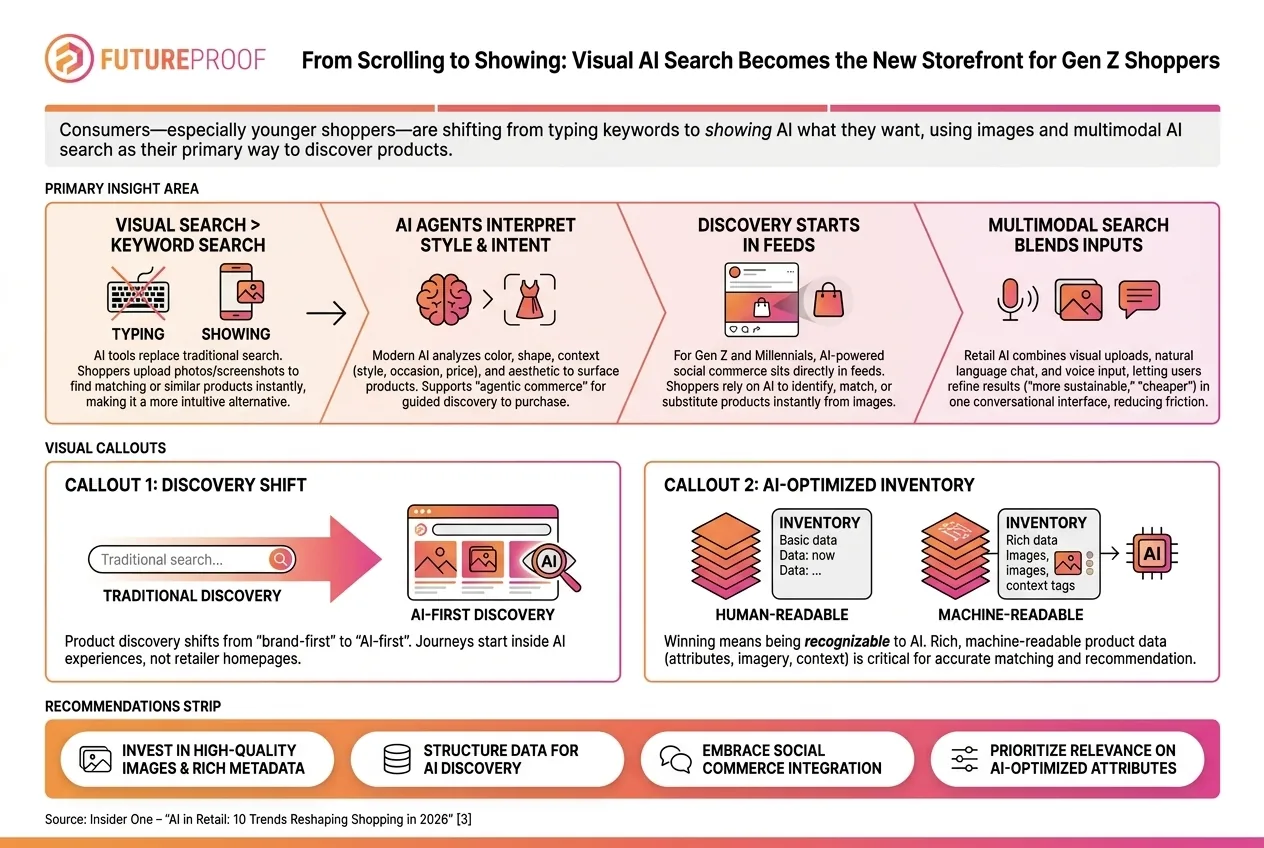
The digital landscape is undergoing a seismic shift, fundamentally altering how a new generation interacts with the world and, crucially, how they shop. For Gen Z, the days of laboriously typing specific keywords into a search bar to find a desired product are rapidly becoming a relic of the past. Instead, a more intuitive, visual, and profoundly intelligent approach is taking hold: visual AI search. This isn't just an incremental improvement; it's a revolutionary transformation, positioning visual and multimodal AI as the new, dynamic storefront for product discovery, redefining retail and consumer expectations.
This profound change is driven by Gen Z’s inherent digital fluency and their visual-first mindset. Having grown up in an era dominated by image-rich social media feeds, short-form video content, and instantaneous visual communication, their brains are hardwired for visual processing. When they spot an item they admire – whether it's a pair of sneakers on a celebrity, a unique home decor piece in an influencer's post, or a stylish outfit worn by a stranger – their natural inclination is not to describe it with words but to simply show it. Visual AI search provides precisely this capability, allowing shoppers to upload a photo, a screenshot, or even a live image, and receive instant, highly relevant matches. This immediate gratification and intuitive interaction make visual search a far more compelling and efficient alternative to traditional keyword-based methods, fundamentally reshaping the product discovery journey.
The true power of this paradigm shift lies in the sophisticated intelligence behind the visual search engine. Modern AI agents don't merely perform a superficial image match based on basic attributes like color or shape. They delve much deeper, interpreting complex elements such as style, context, and even the subtle intent behind the shopper's query. For instance, if a user uploads a picture of a vintage-inspired dress, the AI doesn't just identify "dress, red, floral." It understands "boho chic, midi length, vintage floral pattern, suitable for a summer event." This nuanced interpretation means that the results are not just visually similar but contextually and stylistically aligned with the user's implicit desire. This level of understanding elevates product discovery from a utilitarian task to an intelligent, personalized experience that mirrors human insight, making the AI a proactive shopping assistant rather than just a database query tool.
Crucially, product discovery is no longer confined to the dedicated search bar of an e-commerce website. The initial spark of inspiration, the moment of "I want that," increasingly originates within the dynamic flow of social media feeds, personal photo albums, and digital magazines – essentially, wherever visual content is consumed. AI-driven visual search seamlessly integrates into these environments, transforming any image into a shoppable moment. This means that a casual scroll through Instagram or Pinterest can instantly become a path to purchase. This shift decentralizes the discovery process, embedding it naturally within the daily digital habits of Gen Z, making shopping an organic extension of their visual exploration rather than a separate, initiated action. The immediacy and embedded nature of this discovery accelerate the buying cycle, making the transition from inspiration to transaction smoother and faster than ever before.
Adding another layer of sophistication and convenience is the advent of multimodal search. This advanced form of AI search doesn't rely solely on images; it intelligently blends images with chat and voice interfaces, creating a truly seamless and interactive refinement process. Imagine a scenario where a Gen Z shopper uploads a photo of a jacket they like. The visual AI provides initial matches. The shopper can then use their voice to ask, "Does this come in black?" or "Show me similar styles that are waterproof." Following this, they might use the chat function to type, "Filter by brands under $150 and sustainable materials." This iterative, conversational refinement process mirrors how humans naturally seek information, allowing for precise and highly personalized results in a single, fluid interaction. This fusion of sensory inputs creates a richer, more engaging, and ultimately more effective product discovery experience, putting the consumer firmly in control of their journey.
For retailers, this seismic shift represents both an immense challenge and an unparalleled opportunity. Winning in this AI-first discovery environment requires a fundamental re-evaluation of their digital strategy, with a strong emphasis on data quality and visual assets. The first imperative is the cultivation of rich, machine-readable product data. This goes far beyond basic product descriptions. It encompasses detailed attributes, robust meta-tagging, structured data (like Schema.org markup), hierarchical categorization, and contextual descriptors that AI agents can easily process and interpret. Products must be "speakable" to AI, allowing algorithms to understand their nuances, features, and stylistic context without ambiguity. The more comprehensive and intelligently structured this data is, the better equipped AI will be to recognize, categorize, and recommend products accurately and relevantly across diverse visual queries.
Equally critical is the commitment to high-quality imagery. In a visual search ecosystem, images are not just supporting elements; they are the primary input. Retailers must invest in creating a vast library of diverse, high-resolution, context-rich images for every product. This includes multiple angles, close-ups of textures and details, lifestyle shots showcasing the product in use, and even user-generated content that provides authentic context. The clarity, lighting, and composition of these images directly impact the AI's ability to "see" and understand the product. Poor quality or insufficient imagery can render a product invisible or misidentifiable to AI, effectively shutting it out of the new visual storefront. High-quality imagery, coupled with meticulous metadata, empowers AI to connect the visual inspiration with the tangible product, closing the loop from "showing" to "buying."
This AI-driven transformation significantly accelerates social commerce and impulse buying. As AI turns any image into a shoppable moment, the friction between inspiration and purchase dramatically decreases. Gen Z, accustomed to instant gratification, is particularly susceptible to this "see now, buy now" culture. Spotting an item on their feed, visually searching for it, and purchasing it within minutes becomes a seamless, almost unconscious act. This raises the stakes for retailers to be relevant and discoverable within AI-driven results. If a product isn't optimized for visual AI, if its data isn't machine-readable, or if its imagery isn't high-quality, it simply won't appear in these critical shoppable moments. The speed of conversion, fueled by instantaneous visual discovery, means that retailers must proactively ensure their entire product catalog is primed for AI interpretation to capture these fleeting impulse purchases.
The implication for brand discoverability is immense. Traditional SEO focused on keywords; the new SEO for visual AI search centers on visual context, data enrichment, and algorithmic visibility. Retailers need to think about how their products would be "described" by an AI agent trained on billions of images and stylistic nuances. This means not just optimizing product titles and descriptions for text search but enriching image alt tags, ensuring consistent visual branding, and integrating their product feeds with platforms that leverage visual AI. Brands that prioritize this holistic, AI-first approach will gain a significant competitive advantage, becoming the go-to destinations for Gen Z's intuitive, visual shopping preferences. Those that lag will find their products increasingly invisible in the new AI-powered landscape.
Consider the journey of a Gen Z shopper today. They might be browsing TikTok, come across a fashion influencer wearing a unique accessory. Instead of trying to guess the brand or search for vague descriptors, they simply screenshot the image. They then upload this screenshot to a visual search app or directly into a retailer's visual search bar. Within seconds, the AI identifies the accessory, provides links to purchase it, and even suggests similar items from various brands and price points, catering to their personal style and budget. This entire process, from inspiration to potential purchase, can occur in less than a minute. This level of efficiency and personalized relevance is what sets visual AI search apart and firmly entrenches it as the preferred method for a generation that values speed, convenience, and visual authenticity.
Moreover, visual AI search has the potential to democratize discovery. Smaller brands or unique products that might struggle to gain traction through traditional keyword-based SEO can suddenly become highly discoverable if their imagery and data are optimized for visual AI. A niche artisan product with distinct visual characteristics could be found by a shopper who simply admires its aesthetic in an unrelated context. This broadens the playing field, rewarding brands that invest in visually compelling products and the data infrastructure to support their AI-driven discovery. It shifts the focus from purely text-based marketing spend to a more holistic investment in product presentation and data intelligence.
Looking ahead, the evolution of visual AI search will only become more sophisticated. We can anticipate AI agents moving beyond simple recognition to proactive recommendation, understanding a shopper's evolving style and anticipating their needs before they even perform a search. Imagine an AI that, based on your previous visual searches and purchases, suggests new arrivals or complementary items when you simply open your favorite shopping app, leveraging your visual style profile. This predictive capability, powered by advanced machine learning and deep learning, will make the shopping experience even more personalized, intuitive, and ultimately, more irresistible for Gen Z.
The implications extend beyond just product discovery. Visual AI search influences product design, marketing strategies, and even supply chain management. Designers may increasingly consider how their products translate visually for AI recognition, ensuring distinctive and clear aesthetics. Marketing campaigns will need to integrate visual search calls-to-action more prominently, encouraging shoppers to "snap and search." And for supply chains, understanding visual demand patterns can inform inventory management, ensuring that visually trending items are readily available to meet the accelerated demand driven by instant visual discovery.
In conclusion, the shift from typing to showing is not a fleeting trend but a fundamental reorientation of retail in the digital age. Visual and multimodal AI search has emerged as the new, dynamic storefront for Gen Z shoppers, offering an intuitive, intelligent, and immediate pathway to product discovery. For retailers, this means an urgent imperative to embrace an AI-first strategy, characterized by robust, machine-readable product data and a commitment to high-quality, diverse imagery. Those who successfully navigate this transition will not only capture the attention and loyalty of Gen Z but also redefine what it means to shop in an increasingly visual and AI-powered world. The future of retail is being seen, not just searched.