Gen Alpha and the Rise of the AI Native Digital Experience
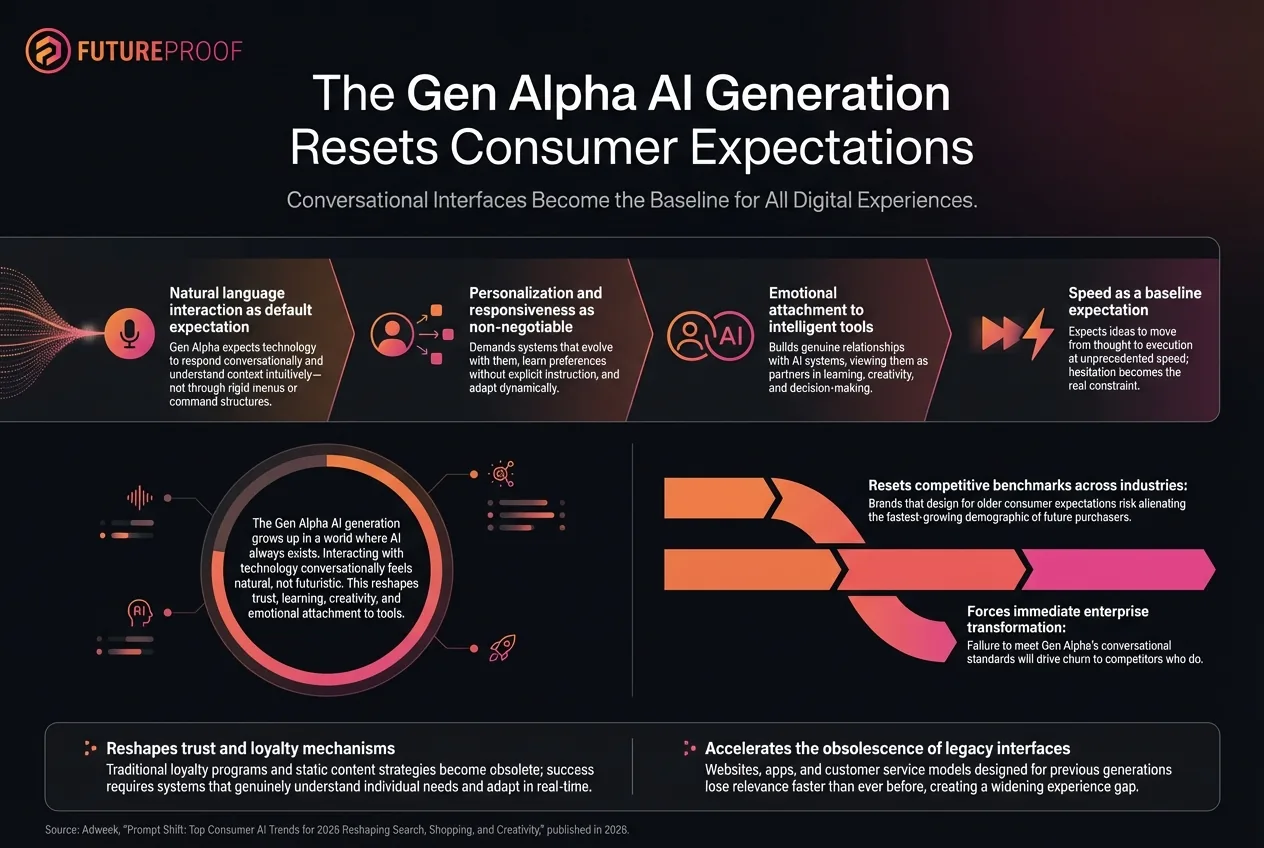
The emergence of Gen Alpha marks an undeniable watershed moment in the evolution of digital interaction. Born entirely within a world where artificial intelligence is not a novelty but an omnipresent layer of daily life, this generation possesses an inherently different set of expectations for technology. For them, natural language interaction isn't a futuristic feature; it's the fundamental default, and anything less sophisticated feels antiquated, inefficient, and profoundly unsatisfying. This innate AI-nativity demands that technology doesn't just process commands but understands context intuitively, personalizes experiences instantly, and adapts continuously to their evolving needs and preferences. This paradigm shift raises the bar dramatically for every brand, enterprise, and digital platform. The era of friction-heavy interfaces, generic user journeys, and one-size-fits-all content is rapidly drawing to a close, supplanted by a demand for fluid, intelligent, and deeply responsive digital environments. Enterprises that view AI as an optional add-on rather than a foundational pillar risk rapid churn and irrelevance, as younger consumers instinctively gravitate toward tools that learn with them, converse naturally, and feel genuinely aligned with their digital fluency.
The core distinction of Gen Alpha lies in their upbringing. They are the first truly AI-native generation, never having known a world without sophisticated algorithms shaping their entertainment, education, and social connections. As Adweek highlighted in their "Prompt Shift: Top Consumer AI Trends for 2026 Reshaping Search, Shopping, and Creativity" report, this generation grows up in a world where AI always exists. This pervasive presence has fundamentally recalibrated their perception of technology. For them, interacting with an AI conversationally feels not only natural but also expected. They speak to virtual assistants, create with AI art generators, learn from intelligent tutors, and navigate digital worlds guided by adaptive algorithms. This continuous exposure has forged a deep-seated belief that technology should be an intuitive partner, capable of understanding their nuanced intentions and responding in a human-like, empathic manner. This isn't about simply dictating commands; it's about engaging in a dialogue, where the technology actively participates in the exchange, offering suggestions, anticipating needs, and remembering past interactions. The implication for digital experiences is profound: a rigid menu structure or a keyword-limited search bar, once standard, now represents a significant cognitive load for a generation accustomed to simply articulating their desires or questions and having the system intelligently respond. Their expectation for technology to act as a seamless extension of their thought process, rather than a cumbersome tool, is the bedrock of their digital identity.
The concept of "natural language interaction as the default" is far more encompassing than just voice commands. It extends to intuitive text-based chat, sophisticated semantic search, and interfaces that interpret complex, multi-modal inputs. Gen Alpha expects to be able to express themselves in their own words, without having to translate their needs into machine-readable commands or navigate predefined pathways. This means that if they want to find a product, they should be able to describe it conversationally – "show me stylish, eco-friendly sneakers for summer outings under $100 that I can wear with jeans," rather than meticulously filtering by brand, type, material, season, and price. In learning environments, they anticipate AI tutors that can grasp the nuances of their confusion, adapt explanations to their learning style, and engage in Socratic dialogue rather than simply providing canned answers. For creative endeavors, they see AI as a collaborative muse, capable of understanding abstract prompts like "generate a wistful, cyberpunk cityscape with a lone figure looking at a neon sunset" and iterating on it through natural language feedback. This inherent expectation for seamless, conversational engagement fundamentally redefines the architecture of user interfaces and the capabilities of underlying AI models. Brands that master this will unlock unprecedented levels of user satisfaction and engagement, while those that cling to legacy interaction models will find themselves increasingly out of sync with their burgeoning consumer base.
Beyond mere natural language processing, Gen Alpha demands a triumvirate of advanced AI capabilities: context intuition, instant personalization, and continuous adaptation. These aren't isolated features but interconnected pillars supporting a truly intelligent digital experience.
Context Intuition: For Gen Alpha, technology should not just understand what they say, but why they say it and what it truly means. This goes beyond keywords to deep semantic understanding, factoring in previous interactions, current emotional state (if discernable), time of day, location, and even implied intent. If a user asks a travel app, "What should I do in Tokyo next weekend?", an AI-native system wouldn't just list popular attractions. It would cross-reference their past travel preferences, budget, stated interests, and even recent social media activity to suggest hyper-relevant, personalized itineraries, perhaps noting a preference for obscure art galleries over bustling tourist spots. They expect technology to remember their name, their last purchase, their dietary restrictions, their preferred communication style, and to weave all of this into a coherent, helpful, and anticipatory response. The frustration stems from having to constantly re-explain, re-enter information, or wade through irrelevant options – a hallmark of systems lacking true contextual awareness.
Instant Personalization: The patience for generic, one-size-fits-all experiences is non-existent for Gen Alpha. They expect every digital touchpoint to feel tailor-made from the very first interaction. This means e-commerce sites dynamically reconfiguring product recommendations based on real-time browsing patterns and stated preferences, content platforms curating unique feeds that evolve with every click, and educational tools adapting learning paths based on immediate performance and expressed interests. This isn't about static user profiles; it's about dynamic, real-time personalization that reflects the fluidity of their needs and moods. The AI doesn't just suggest; it anticipates, learns, and refines its offerings in milliseconds, creating a highly engaging and relevant user journey that feels uniquely theirs. The power of algorithms to instantly transform a generic interface into a deeply personal one is a non-negotiable expectation.
Continuous Adaptation: The expectation doesn't end with initial personalization. Gen Alpha anticipates that technology will continuously learn and evolve with them. Their digital tools should get smarter, more efficient, and more helpful the more they are used. This fosters a sense of partnership and growth with their technology. An AI assistant should not just answer questions; it should proactively suggest ways to optimize workflows based on observed habits, recommend new skills to learn based on career aspirations, or even alert them to opportunities based on their evolving interests. This continuous feedback loop of interaction and adaptation builds a sense of loyalty and trust, as the technology becomes increasingly attuned to their unique patterns and growth trajectory. This adaptive quality transforms a utilitarian tool into a dynamic companion, deeply embedding it into their daily routines and decision-making processes.
This profound shift in consumer expectations creates an urgent imperative for enterprises across all sectors. For brands, AI is no longer a strategic option but a baseline requirement for relevance and survival. The alternative is rapid churn and perceived obsolescence. Friction-heavy interfaces – those requiring excessive clicks, repetitive data entry, rigid navigation, or unintelligent search functions – are not merely inconvenient; they are now considered outdated and frustrating roadblocks to meaningful engagement. When Gen Alpha encounters such systems, they quickly abandon them for more intuitive, AI-powered alternatives. This often manifests as a lack of understanding from the brand's side, a failure to "get" the user, which for an AI-native generation, is a cardinal sin.
Consider the retail experience: A brand whose e-commerce site provides irrelevant product recommendations, requires tedious filtering, or offers slow, non-conversational customer support will quickly lose out to competitors leveraging AI to offer hyper-personalized virtual shopping assistants, contextual search, and instant, intelligent support chatbots. In the financial sector, a bank offering only static forms and generic advice will struggle to retain Gen Alpha customers who expect AI-driven financial planning tools, conversational budget management, and proactive, personalized investment insights. The competitive edge no longer lies solely in product quality or price, but in the intelligence and responsiveness of the digital experience itself. Brands that embrace AI not just as a back-end efficiency tool but as a front-end customer engagement driver will forge deeper connections, enhance loyalty, and capture a significant share of this emerging market. Those that lag will find their offerings increasingly sidelined as younger consumers gravitate toward tools that feel genuinely intelligent, helpful, and aligned with their digital fluency. The cost of inaction is not just missed opportunities, but the erosion of market share and brand reputation among the most digitally sophisticated generation yet.
The implications of Gen Alpha's AI-native existence extend beyond mere usability and convenience; they fundamentally reshape core human-technology dynamics, influencing trust, learning, creativity, and even emotional attachment to tools.
Trust: For Gen Alpha, trust in technology is intrinsically linked to its intelligence and responsiveness. An AI that consistently understands their context, delivers personalized solutions, and adapts to their needs builds a deeper form of trust than a static, rules-based system. It's not just about reliability; it's about feeling understood and valued. When a system "gets" them, anticipates their needs, and offers genuinely helpful insights, a sense of confidence and reliance develops. Conversely, systems that fail to understand, provide generic responses, or require constant clarification erode this trust quickly, marking them as unreliable and unintelligent. This dynamic is profoundly different from previous generations, who often viewed technology with a degree of skepticism or as a utilitarian black box. For Gen Alpha, trusted AI is a partner.
Learning: AI transforms learning from a rigid, often one-way process into an adaptive, highly personalized journey. Gen Alpha expects AI tutors to identify their strengths and weaknesses in real-time, adjust the curriculum accordingly, and offer explanations tailored to their specific learning style. They anticipate AI-powered platforms that can answer complex questions conversationally, simulate real-world scenarios, and provide immediate, constructive feedback. This makes learning more engaging, efficient, and deeply personalized, moving away from standardized instruction towards an individualized educational experience where AI acts as a patient, ever-present mentor. The ability of AI to adapt content difficulty, provide scaffolding, and offer diverse learning modalities reshapes what effective education looks and feels like.
Creativity: AI for Gen Alpha is not a replacement for human creativity but an amplification tool, a co-creator that removes barriers to expression. They leverage AI art generators, music composition tools, and intelligent writing assistants to explore ideas, rapidly prototype concepts, and bring ambitious visions to life without needing years of technical mastery. The AI acts as a creative partner, understanding abstract prompts, offering variations, and iterating on designs through natural language feedback. This democratizes creativity, empowering individuals to experiment and express themselves in ways previously limited by skill or resources. The emotional satisfaction comes from seeing their ideas rapidly materialize and evolve through intelligent collaboration, fostering a playful and experimental approach to creation.
Emotional Attachment: Perhaps most surprisingly, the conversational, adaptive, and personalized nature of AI for Gen Alpha can foster genuine emotional attachment to these tools. When technology consistently understands, helps, and adapts, it can feel like a trusted companion. This isn't about replacing human relationships but about developing a unique bond with an intelligent entity that is always available, endlessly patient, and genuinely supportive. Whether it's a productivity assistant that meticulously manages their schedule, a virtual pet that responds to their mood, or a learning platform that cheers them on, the personalized, adaptive interaction can evoke feelings of comfort, reliance, and even affection. As the Adweek report notes, this deeply reshapes emotional attachment to tools, transitioning them from mere utilities into entities that are integrated into their emotional landscape.
For enterprises grappling with this shift, the path forward requires proactive and thoughtful AI integration. Firstly, conducting a comprehensive audit of existing digital experiences is crucial. Identify every point of friction, every generic interaction, and every instance where a user is forced to conform to a machine's logic rather than the machine adapting to theirs. Secondly, strategic investment in natural language processing (NLP) and natural language understanding (NLU) capabilities is paramount. This goes beyond keyword matching; it requires sophisticated models capable of comprehending intent, sentiment, and context. Enterprises must prioritize the development of conversational interfaces that feel intuitive and human-like, whether through text or voice. Thirdly, data ethics and privacy must be at the forefront of any AI strategy. Gen Alpha expects deep personalization but is also acutely aware of data privacy concerns. Transparent data practices and robust security measures are essential for building and maintaining trust in AI-powered experiences. Finally, fostering a culture of experimentation and continuous iteration with AI is key. Start with pilot projects, gather feedback, and continuously refine AI models and interfaces. The goal is not just to implement AI, but to embed it as a fundamental layer of user experience design, focusing on solutions that intuitively anticipate, personalize, and adapt. This requires a shift from viewing AI as a cost-saving measure to understanding its profound impact on customer engagement, loyalty, and brand perception.
In conclusion, Gen Alpha's arrival marks a non-negotiable paradigm shift in the digital landscape. As the first truly AI-native generation, they fundamentally redefine what a "good" digital experience entails, demanding natural language interaction as the default and expecting technology to understand context intuitively, personalize instantly, and adapt continuously. Friction-heavy interfaces and generic experiences are no longer just inconvenient; they are roadblocks to engagement and catalysts for churn. For brands and enterprises, AI is no longer an optional innovation but an essential cornerstone of future relevance and competitiveness. This shift fundamentally reshapes how trust is built, how learning occurs, how creativity flourishes, and even how emotional attachments are formed with technology. The future of digital is conversational, intelligent, and deeply personal, and it is being shaped by a generation for whom AI is not a trend, but the inherent language of the digital world. Enterprises that embrace this reality with strategic investment and user-centric design will thrive, while those that hesitate risk being left behind in a rapidly evolving, AI-first consumer landscape.