How AI Is Transforming Preventative Health Into a Personalized Daily Experience
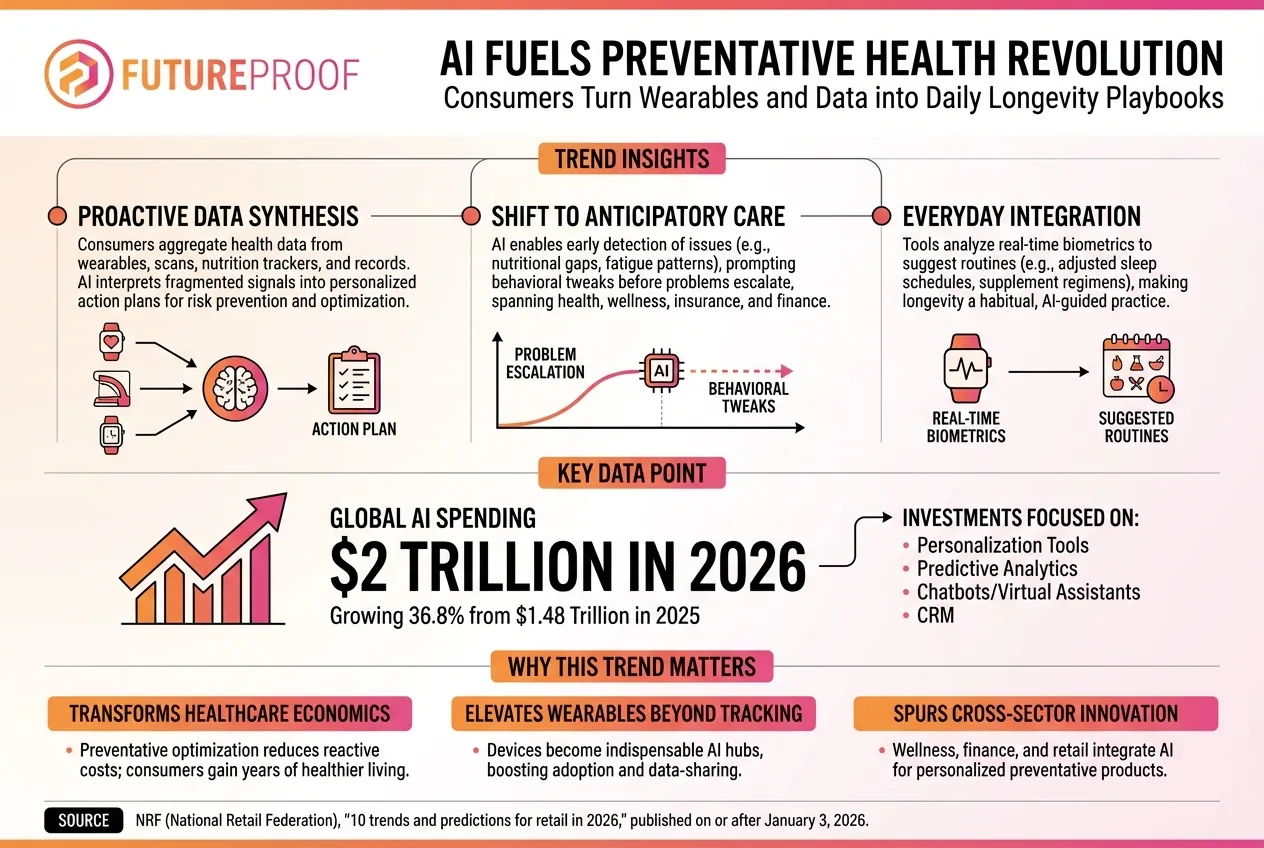
The landscape of personal health is undergoing a profound and irreversible transformation, spearheaded by the remarkable acceleration of artificial intelligence. Consumers are no longer content to passively await symptoms or react to illness; instead, they are actively embracing a proactive, preventative health paradigm. This monumental shift is fueled by an unprecedented integration of wearables, advanced diagnostic scans, and daily biometric data, all converging into highly personalized longevity playbooks. Individuals are taking control, leveraging AI to synthesize what was once fragmented and overwhelming health information, identify subtle emerging risks long before they escalate, and dynamically adjust their routines in real time through tailored guidance encompassing sleep optimization, precision nutrition, and strategic recovery protocols. This isn't merely an incremental improvement; it's a fundamental redefinition of what it means to manage one's health in the 21st century.
At the heart of this revolution is AI’s unparalleled capacity to process and interpret vast datasets. Our bodies are complex systems, constantly generating signals – from heart rate variability captured by smart rings to sleep stages detected by under-mattress sensors, from blood glucose levels monitored by continuous devices to genetic predispositions revealed by genomic sequencing. Traditionally, this data existed in silos, analyzed by different specialists at different times, often only in response to a health crisis. AI shatters these silos, acting as an intelligent orchestrator. It seamlessly integrates inputs from a myriad of sources, cross-referencing physiological markers with lifestyle choices, environmental factors, and even behavioral patterns. This holistic synthesis allows AI to construct a remarkably accurate and dynamic digital twin of an individual's health, predicting potential vulnerabilities and opportunities for optimization with a precision previously unimaginable. The result is a preventative health shift that empowers individuals with actionable insights, translating raw data into a bespoke roadmap for maintaining and enhancing well-being.
The concept of a "longevity playbook" is central to this new era. It moves beyond generic health advice, recognizing that each person is biochemically unique. An AI-driven playbook provides hyper-personalized recommendations that evolve with the individual. For instance, based on a night's sleep data, activity levels, and upcoming schedule, AI can suggest optimal meal timings and compositions for sustained energy and improved digestion. If a slight elevation in resting heart rate variability or changes in sleep quality are detected, the AI might prompt a stress reduction exercise, recommend a specific type of recovery session, or suggest a minor dietary adjustment before these subtle physiological shifts manifest as noticeable fatigue or illness. This proactive detection and real-time adjustment capability transforms personal health management from a reactive chore into an empowering, continuous process of self-optimization. The goal is not just to extend lifespan, but to significantly enhance healthspan – the number of years lived in good health, vitality, and freedom from chronic disease.
This behavioral shift among consumers is having a ripple effect, profoundly reshaping multiple interconnected industries. Healthcare, traditionally a reactive "sick care" system, is being compelled to evolve into a proactive "well care" model. AI allows for predictive analytics that can identify individuals at high risk for certain conditions years in advance, enabling early intervention strategies that can prevent or significantly mitigate disease progression. Remote patient monitoring, powered by AI, transforms wearables from personal gadgets into clinical tools, providing doctors with continuous, real-time data that informs treatment plans and reduces the need for frequent in-person visits. This not only improves patient outcomes but also alleviates the immense burden on healthcare infrastructure, lowering long-term costs associated with chronic disease management.
The insurance sector is experiencing a parallel transformation. Rather than simply assessing risk based on historical data and broad demographics, AI allows for a granular, individualized approach. Insurers can incentivize healthy behaviors by integrating with AI-driven wellness platforms, offering personalized premiums or rewards based on adherence to a healthy lifestyle as demonstrated by biometric data. This fosters a collaborative relationship between insurer and insured, where both parties benefit from preventative optimization. For insurers, it means a healthier client base and reduced claims; for consumers, it means lower costs and tangible rewards for proactive health management. However, this also raises crucial discussions around data privacy, ethical use of personal health information, and ensuring equitable access to these technologies, challenges that require careful consideration and robust regulatory frameworks.
The wellness and fitness industries are likewise being revolutionized. Generic workout plans and one-size-fits-all diet advice are rapidly becoming relics of the past. AI personal trainers analyze performance data, recovery metrics, and even mood to create dynamic, adaptive exercise regimens that maximize effectiveness and minimize injury risk. Personalized nutrition platforms leverage AI to analyze an individual's microbiome, genetic profile, metabolic responses, and activity levels to recommend precise dietary interventions, from specific food choices to tailored supplement protocols. Mental wellness apps, powered by AI, offer personalized cognitive behavioral therapy (CBT) exercises, mindfulness prompts, and stress reduction techniques, adapting their guidance based on user input and detected emotional states. This hyper-personalization ensures that wellness solutions are not just more effective, but also more engaging and sustainable for individuals.
Even the retail sector is adapting to the advent of the AI-powered preventative health shift. As consumers become more fluent and confident with personal health AI, their purchasing decisions are increasingly influenced by health optimization. This manifests in the rise of smart grocery shopping lists curated by AI based on individual biometrics and dietary goals, personalized supplement recommendations from AI health agents, and even clothing lines designed with embedded biometric sensors that seamlessly integrate with personal health platforms. The home itself is becoming a health hub, with smart appliances and devices contributing to a holistic understanding of well-being. Retailers are recognizing that the modern consumer views health as an ongoing optimization journey, creating opportunities for innovative products and services that support this proactive lifestyle.
The evolution of wearables exemplifies this paradigm shift perfectly. What began as simple step counters and heart rate monitors have rapidly evolved into sophisticated AI health hubs. Today's smartwatches, rings, and patches collect a dizzying array of data: heart rate variability, blood oxygen saturation, skin temperature, sleep stages, activity levels, respiratory rate, and even early indicators of stress or illness. The true power, however, lies not just in data collection, but in AI's ability to interpret this raw information and translate it into actionable insights. A smart ring might not just tell you that your heart rate variability is low; an AI algorithm will analyze this in context with your sleep patterns and recent activity, and then suggest a specific meditation exercise or a gentle walk to promote recovery, explaining why this recommendation is beneficial. These devices are no longer passive trackers; they are intelligent health companions, constantly monitoring, learning, and guiding individuals towards optimal well-being.
Crucially, this transformative era is built on a surge in consumer confidence and fluency with personal health AI. As these technologies become more intuitive and accessible, people are gaining a deeper understanding of their own physiology and the factors influencing their health. AI demystifies complex biological processes, translating scientific data into understandable and actionable guidance. This empowerment fosters a new level of engagement and responsibility for personal health, raising expectations for smarter, more integrated tools across every sector. Consumers are actively seeking out products and services that leverage AI to provide personalized insights and support their preventative health goals, signaling a clear market demand for these intelligent solutions.
The economic imperative driving this shift is undeniable. Preventative optimization, while requiring initial investment in technology and lifestyle changes, demonstrably lowers long-term healthcare costs for individuals, employers, and national health systems. The ability to prevent chronic diseases, reduce hospitalizations, and promote overall well-being represents enormous financial savings in the aggregate. This understanding is reflected in the burgeoning investment in AI technologies worldwide. Gartner forecasts global AI spending to exceed 2 trillion dollars in 2026, marking a substantial 36.8 percent increase from 1.48 trillion dollars in 2025. A significant portion of this immense investment is explicitly flowing into personalization technologies that power consumer-facing health agents. This data point underscores the immense confidence and strategic priority placed on AI-driven personalized health by major industries and investors. It validates the trajectory towards a future where AI is not just supporting health, but actively shaping its very definition, placing personalized, preventative care at the forefront of global innovation. The future of health is here, and it is undeniably AI-powered, predictive, and intensely personal.