
How AI Driven Job Fears Are Reshaping Consumer Spending and Redefining Brand Success
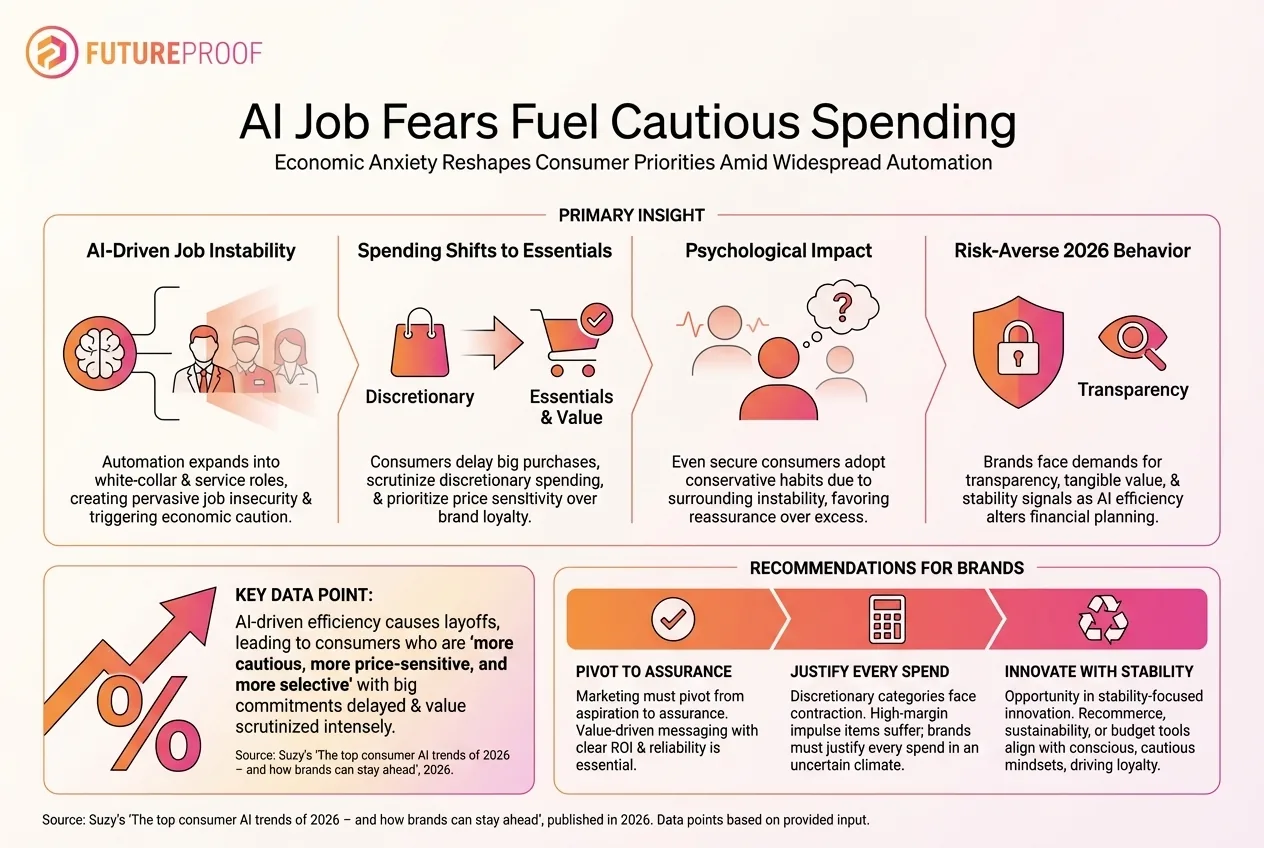
The global economic landscape is undergoing a profound transformation, subtly but fundamentally reshaped by the relentless march of artificial intelligence. Far from an abstract technological advancement, AI is now a tangible force impacting job markets, and consequently, consumer psychology and spending habits. This shift is not merely theoretical; it’s a lived reality for millions, leading to widespread AI-driven job fears that are creating a new breed of cautious, price-sensitive, and highly selective consumer. Brands that fail to recognize and adapt to this seismic shift risk obsolescence, while those that pivot towards reassurance, transparency, and tangible value are poised to thrive in an era of unprecedented economic uncertainty.
Automation, once confined largely to manufacturing floors, has now permeated virtually every sector, extending its reach into both white-collar and service roles. From sophisticated algorithms handling data analysis and customer service to advanced robotics streamlining logistics and hospitality, AI efficiency is creating new operational paradigms. While this promises increased productivity for businesses, it simultaneously generates significant disruption in the workforce. Layoffs and corporate reorganizations are becoming increasingly common, driven by the imperative to optimize operations through AI integration. This constant narrative of job displacement, whether experienced directly or observed in peers and news cycles, fosters a pervasive sense of financial insecurity among consumers. This insecurity isn’t limited to those directly affected; even individuals in seemingly stable positions are adopting a proactive stance of financial caution, anticipating potential future disruptions. The psychological weight of this perceived instability translates directly into altered purchasing behaviors, making every spending decision a more considered, and often more conservative, act.
The immediate consequence of this AI-driven apprehension is a dramatic reshaping of consumer priorities and spending patterns. Consumers are becoming acutely price sensitive, scrutinizing every dollar spent with an intensity not seen in years. This isn’t just about finding a good deal; it’s about maximizing the perceived return on investment for every purchase, questioning its necessity and longevity. Discretionary purchases, once a driver of economic growth, are now under immense pressure. Items perceived as non-essential, luxury goods without clear functional benefits, or experiences deemed superfluous are the first to be deprioritized or cut entirely from budgets. Consumers are delaying big purchases, such as homes, new vehicles, or major appliances, opting instead to save or invest in financial security. The long-term commitment and significant outlay associated with these items are now viewed through a lens of greater risk, leading to a "wait and see" approach.
Value itself is being redefined. It’s no longer just about affordability; it’s about durability, utility, and the problem-solving capabilities of a product or service. Consumers are asking: "How long will this last? What tangible benefit does it provide? Can I truly afford to replace this if it fails quickly?" This intense value scrutiny means that flashy marketing and aspirational branding often fall flat if not underpinned by demonstrable, practical worth. Furthermore, brand loyalty, once a cherished asset for companies, is no longer guaranteed. Faced with financial pressure, consumers are increasingly willing to switch brands, even for established favorites, if a competitor offers a clearer value proposition, a more competitive price point, or a more reassuring overall experience. The "Suzy’s 2026 report The top consumer AI trends of 2026 and how brands can stay ahead" specifically highlights this erosion of traditional loyalty, noting that convenience and cost-effectiveness often override ingrained habits. Even consumers who feel relatively secure in their current employment are exhibiting these conservative spending habits, driven by a broader societal anxiety and a desire to build a stronger financial safety net against an uncertain future. This collective shift towards prudence is a powerful market force.
For brands, the mandate emanating from this new consumer landscape is unmistakably clear: reassurance now profoundly outperforms aspiration. The era of purely selling dreams and abstract lifestyle enhancements is yielding to a demand for tangible security and reliable solutions. Brands must pivot their messaging and offerings to directly address consumer anxieties rather than exacerbate them. This means moving beyond superficial promises and delving into core competencies that signal stability and dependability.
Transparent pricing is no longer an optional add-on; it’s a non-negotiable expectation. Hidden fees, complex pricing structures, and ambiguous terms erode trust in an instant. Brands must clearly articulate the cost, the value components, and any potential long-term expenses. Subscription models, while offering recurring revenue, must provide clear, consistent value that justifies the ongoing cost, and offer easy cancellation to avoid alienating cautious consumers. Clarity in pricing builds a foundation of trust that resonates deeply with risk-averse shoppers, who are wary of unexpected financial burdens.
Beyond price, brands must deliver tangible value. This means focusing on the inherent quality, durability, and practical utility of products and services. Highlight features that contribute to longevity, efficiency, or problem-solving. For instance, an appliance brand should emphasize not just sleek design, but energy efficiency ratings, robust warranty programs, and repairability. A clothing brand might focus on the quality of materials, timeless design, and durability over fast fashion trends. Messaging should shift from "what you could be" to "what we can provide you with that truly helps your life." This focus on practical, enduring benefits directly addresses the consumer’s need to make smart, long-lasting investments rather than fleeting purchases.
Stability-focused offerings are critical innovations for winning with cautious consumers. Recommerce, for instance, represents a powerful alignment with both budget-friendly demands and growing environmental consciousness. Brands that facilitate the resale, refurbishment, or recycling of their own products, like Patagonia’s Worn Wear program or IKEA’s Buy Back & Resell, offer consumers affordable entry points while extending product lifecycles and demonstrating a commitment to sustainability. This taps into the desire for value and responsible consumption simultaneously. Similarly, budget-friendly innovations don’t merely mean cheaper versions of existing products. It means thoughtful design and production that delivers essential functionality and quality at an accessible price point. This could involve streamlined product lines, multi-purpose items, or innovative packaging that reduces cost without compromising user experience. For example, a food brand might offer larger, value-packed essential items, or develop new formats that reduce waste and save money. The key is to innovate in a way that truly serves the customer’s financial caution without cheapening the brand’s perceived quality or integrity.
The path forward belongs unequivocally to brands that can signal reliability in this uncertain economic era. Building and maintaining this reliability requires a multi-faceted approach. First and foremost, consistent quality in products and services is paramount. In a world where every purchase is scrutinized, a reputation for consistent excellence builds invaluable trust. Second, customer service excellence becomes a crucial differentiator. A readily available, empathetic, and effective support system reassures consumers that their investment is backed by a responsive organization. Third, brands must embed empathy into their communication strategies. Acknowledge the anxieties consumers face, speak to their needs for security and stability, and position your brand as a dependable partner rather than just a seller of goods. Marketing efforts should focus on long-term benefits, durability, and a commitment to customer well-being.
Furthermore, fostering a sense of community around the brand can strengthen loyalty in an age where traditional brand attachment is waning. Brands that connect customers with shared values, offer platforms for interaction, or support causes important to their audience can build a deeper, more resilient relationship. Ethical business practices, including transparent supply chains, fair labor, and robust data privacy, also contribute significantly to a brand’s reliability quotient. Consumers are increasingly discerning, and a brand’s integrity beyond its product can be a powerful determinant of trust and purchase decisions. Finally, brands must cultivate agility and adaptability. The economic climate influenced by AI is dynamic; brands must be prepared to listen to consumer feedback, monitor market trends, and pivot their strategies swiftly to remain relevant and reassuring.
In conclusion, the widespread AI-driven job fears are not a fleeting concern but a fundamental force reshaping consumer spending for the foreseeable future. This shift has created a consumer base characterized by heightened financial caution, intense price sensitivity, and a rigorous scrutiny of value. For brands, the imperative is clear: move beyond aspirational marketing and embrace a strategy rooted in reassurance, transparency, and tangible worth. By offering stability-focused innovations such as recommerce and truly budget-friendly solutions, while consistently signaling reliability through quality, service, and empathetic communication, brands can not only navigate this uncertain economic terrain but also forge stronger, more resilient relationships with a new generation of discerning, risk-averse shoppers. The brands that understand and adapt to this new reality, becoming beacons of dependability in a volatile world, are the ones that will truly thrive.


