The Rise of Agentic AI and the End of the Traditional Marketing Funnel
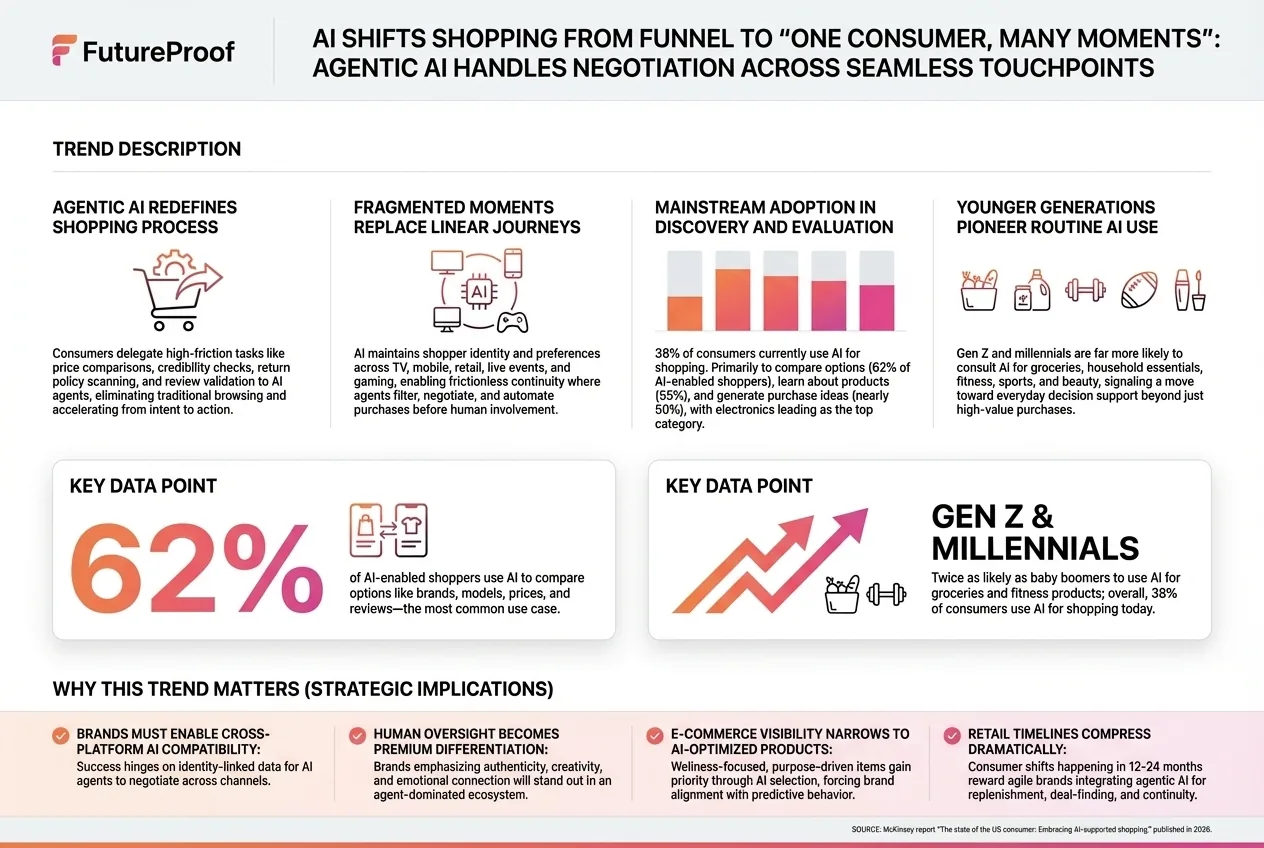
The landscape of consumer commerce is undergoing a seismic transformation, a shift so profound it redefines the very essence of how products are discovered, evaluated, and purchased. For decades, the ubiquitous marketing funnel dictated our understanding of the customer journey: awareness, interest, desire, action. This linear progression, once a sacred scripture for marketers, is rapidly crumbling, giving way to a far more dynamic and intricate model. We are no longer observing a methodical descent through a predefined path, but rather a fluid, often instantaneous, pattern of "one consumer, many moments." In this new era, the orchestrator of these myriad interactions is Agentic AI – a sophisticated, proactive form of artificial intelligence that is not merely assisting, but actively handling comparison, validation, negotiation, and continuity across every touchpoint, dramatically collapsing the traditional path from intent to purchase.
This isn't a speculative future; it's our present reality. Consumers are not just experimenting with AI in their shopping journeys; they are embracing it with enthusiasm and reliance. A groundbreaking report from McKinsey in 2026 reveals that a significant 38 percent of consumers are already leveraging AI for their shopping needs. Even more telling is the finding that a staggering 62 percent of these AI-enabled shoppers depend on artificial intelligence specifically to compare options, making informed decisions that transcend simple price points. The categories leading this AI-driven discovery are diverse, with electronics at the forefront, showcasing AI's utility in navigating complex specifications and features. Furthermore, demographic shifts underscore this trend: Gen Z and millennials, digital natives by inclination, are twice as likely as boomers to utilize AI for everyday purchases like groceries and fitness products, signaling a generational redefinition of convenience and efficiency in commerce.
For brands operating in this rapidly evolving ecosystem, this isn't just a trend to monitor; it's an urgent call to action, demanding immediate and fundamental adaptation. The traditional marketing playbook, centered on pushing messages down a funnel, is becoming obsolete. Instead, success hinges on equipping AI agents with consistent, identity-linked data across every conceivable platform. These intelligent agents require a holistic understanding of individual consumer preferences, past behaviors, and even values to effectively engage, negotiate on their behalf, and ultimately convert interest into loyal patronage. As agentic AI automates an increasing number of routine tasks – from product discovery to initial negotiation – the human elements of authenticity, emotional connection, and genuine brand purpose become premium differentiators. Furthermore, the visibility and ultimate selection of products will narrow considerably, favoring those brands and offerings meticulously optimized for AI selection, especially those that resonate deeply with the values and expectations of younger, AI-savvy shoppers. The timeline for this monumental shift is compressing at an unprecedented rate; changes that once unfolded over a decade are now materializing in as little as 12 to 24 months. Brands that proactively prepare for the age of agentic AI are not just securing their future; they are positioned to capture a disproportionate share of these new, fleeting, yet incredibly valuable consumer moments.
The Demise of the Linear Funnel: Embracing Fluidity
The traditional marketing funnel, with its distinct stages of awareness, interest, desire, and action, was a product of an information-scarce era. Consumers relied on brands to push information, guiding them step-by-step towards a purchase. Today, information is not scarce; it’s overwhelmingly abundant. The internet, social media, review sites, and comparison engines have empowered consumers with unprecedented access, shattering the sequential nature of the funnel. Now, a consumer might jump from seeing a product on an influencer's post (awareness) to checking real-time reviews (validation) to comparing prices across multiple retailers (comparison) and making an immediate purchase (action) – all within minutes, and often without directly engaging with a brand's traditional marketing touchpoints.
This is the essence of "one consumer, many moments." Each interaction, however brief or fragmented, is a potential touchpoint, a micro-moment where intent can be formed, reinforced, or shifted. These moments are no longer confined to specific channels or stages; they occur asynchronously, across devices, at any time of day, driven by immediate needs, fleeting curiosities, or sudden inspirations. A consumer might research a product on their laptop during work, add it to a wishlist on their phone during a commute, and then ask a voice assistant about alternatives while preparing dinner. The unifying thread across these disparate moments is the consumer's evolving intent, and it is precisely this continuity that agentic AI is designed to manage.
Agentic AI: The Ultimate Personal Shopping Partner
Agentic AI marks a significant leap beyond mere chatbots or recommendation engines. While those tools react to user input, agentic AI proactively anticipates needs, learns preferences, and independently executes tasks on behalf of the consumer. Think of it as a highly sophisticated, tireless personal assistant, dedicated solely to optimizing your shopping experience.
- Advanced Comparison: Agentic AI doesn't just present a list of prices. It delves deep, comparing nuanced features, cross-referencing user reviews, analyzing product longevity, assessing brand ethics, and even factoring in personal preferences like sustainability or local sourcing. For instance, if a consumer regularly prioritizes eco-friendly options, the AI will automatically filter for, and highlight, products aligning with those values, even if they come at a slightly higher price point. This goes far beyond rudimentary keyword matching, leveraging semantic understanding and contextual awareness to present truly relevant options. McKinsey's finding that 62% of AI-enabled shoppers use it for comparison underscores this capability's immediate value.
- Robust Validation: In an age of information overload and potential misinformation, validation is critical. Agentic AI can sift through countless product reviews, expert opinions, and technical specifications to verify claims, highlight common issues, and even detect patterns of fraudulent feedback. It can provide a consolidated, unbiased assessment of a product's true value and suitability, saving the consumer hours of manual research and building trust through data-driven objectivity. This capacity reduces purchase anxiety and builds confidence in the AI's recommendations.
- Proactive Negotiation and Optimization: While still an evolving frontier, the potential for agentic AI to negotiate on behalf of consumers is immense. Imagine an AI agent tracking price drops, bundling options across different retailers, applying coupons automatically, or even engaging with sellers to secure a better deal on an item the consumer has expressed interest in. This extends to optimizing delivery, suggesting subscription services when beneficial, or even managing returns seamlessly. The goal is to maximize value and convenience for the consumer, autonomously handling the transactional complexities that often deter or frustrate shoppers.
- Seamless Continuity: One of the most powerful features of agentic AI is its ability to maintain context across every touchpoint and device. Whether a consumer starts their journey on a mobile app, continues on a desktop, or queries a smart speaker, the AI agent remembers their past interactions, preferences, and progress. This eliminates the frustrating experience of repeatedly providing the same information or starting searches from scratch, ensuring a truly continuous and personalized shopping journey that feels intuitive and effortless.
Demographic Disparities and Category Leadership in AI Adoption
The McKinsey report offers crucial insights into who is adopting AI for shopping and in which categories. Electronics, perhaps unsurprisingly, leads the charge in AI-driven discovery. This makes perfect sense given the complexity of electronic products – myriad specifications, rapid technological advancements, and a constant influx of new models. An AI can quickly digest and compare processor speeds, RAM, battery life, display technologies, and user reviews for dozens of similar devices, making an informed recommendation tailored to specific needs (e.g., "best laptop for graphic design under $1500").
The demographic data is even more compelling: Gen Z and millennials are twice as likely as boomers to use AI for groceries and fitness products. This highlights a generational divergence in comfort with and reliance on AI for everyday, recurring purchases. For younger generations, convenience and efficiency are paramount. AI can streamline grocery shopping by maintaining lists, suggesting recipes based on available ingredients, identifying deals, and even automating reorders for staples. In fitness, AI can recommend equipment, track progress, compare nutritional supplements, and help users find the best deals on activewear. These are categories where routine and data analysis (e.g., comparing nutritional labels or ingredient lists) make AI an invaluable assistant.
For brands, this signals a clear mandate: understanding your target demographic's AI adoption patterns is critical. If your primary audience is Gen Z, investing in AI-driven personalization and seamless, agentic AI integration for categories like wellness, fashion, or home goods is no longer optional but essential.
The Brand Imperative: A Call to Adapt and Evolve
The shift towards agentic AI in shopping is not merely a technological upgrade; it's a fundamental reordering of the brand-consumer relationship. Brands must urgently re-evaluate their strategies across several critical dimensions.
- Data Consistency and Identity-Linking: The Fuel for Agentic AI: Agentic AI cannot function effectively in a siloed data environment. For an AI agent to understand a consumer holistically – their preferences, purchase history, browsing behavior, expressed values, and even their current mood – it requires a unified, consistent data profile. This means breaking down internal data silos within organizations. Customer Relationship Management (CRM) systems, Customer Data Platforms (CDPs), and marketing automation tools must all speak the same language, feeding into a comprehensive, identity-linked data repository. If a consumer expresses a preference for vegan products on a brand's website, but that data isn't linked to their profile across the brand's social media ads or email campaigns, the agentic AI will fail to deliver a continuous, intelligent experience. Brands must invest heavily in data integration and governance to create this "single source of truth" for each customer identity. This data must also be accessible to and understandable by AI algorithms, meaning structured data, rich product attributes, and clear metadata are crucial.
- Authenticity and Emotional Connection: The New Differentiators: As agentic AI takes over routine tasks – comparing features, finding deals, automating reorders – the transactional aspects of shopping will become increasingly commoditized. What then will differentiate one brand from another? The answer lies in the deeply human elements: authenticity, emotional connection, and purpose. When an AI can find any product, the why behind choosing a specific brand becomes paramount. Brands need to tell compelling stories that resonate on an emotional level. They must articulate their values clearly, demonstrating transparency and integrity. Consumers, particularly younger generations, are increasingly drawn to brands that align with their personal ethics, be it sustainability, ethical sourcing, social justice, or community involvement. An AI agent, when configured by a consumer with these values, will prioritize brands that genuinely embody them. Therefore, investing in brand building that goes beyond product features – focusing on narrative, impact, and genuine connection – is no longer a soft skill but a hard business imperative. This is where human creativity, empathy, and strategic communication remain irreplaceable.
- Optimizing for AI Selection: Becoming "AI-Friendly": Visibility in the age of agentic AI will be dramatically different. Instead of competing for attention on search engine results pages or social media feeds, brands will compete for selection by AI agents. This necessitates a new approach to product optimization.
- Rich, Structured Product Data: AI agents need comprehensive, unambiguous data about products. This means going beyond basic descriptions to include detailed specifications, ingredient lists, sourcing information, sustainability metrics, certifications, and even user-generated content. This data must be structured using schema markup to make it easily digestible and interpretable by AI.
- Semantic SEO: Traditional keyword stuffing is dead. AI understands context and intent. Brands must optimize their content for semantic relevance, ensuring that their product descriptions, FAQs, and blog posts answer potential consumer questions thoroughly and naturally, providing the comprehensive information an AI agent would seek.
- Positive Sentiment and Reputation Management: AI agents will analyze vast quantities of customer reviews, social media mentions, and news articles to gauge public sentiment about a product or brand. Proactive reputation management, addressing customer feedback promptly, and fostering genuine positive engagement are more critical than ever. A consistently positive sentiment score will be a significant factor in AI-driven selection.
- Alignment with Values: As highlighted, younger consumers often program their AI agents to prioritize brands that align with specific values. Brands must not only genuinely embrace these values but also clearly communicate and provide verifiable evidence of their commitment. This includes transparent supply chains, clear ethical statements, and measurable impact reports.
Navigating the Accelerated Timeline: The Urgency of Now
The most startling revelation is the compressed timeline for these monumental shifts. What once took a decade for consumer behavior to fundamentally alter now happens in as little as 12 to 24 months. This acceleration is driven by the exponential growth of AI capabilities, increased consumer comfort with technology, and the interconnectedness of our digital world. Brands that delay adaptation risk being left behind, losing market share to agile competitors who embrace these changes proactively.
The window of opportunity to retool, to invest in data infrastructure, to redefine brand strategy, and to optimize for AI selection is closing rapidly. Early movers will not only capture a larger share of the new consumer moments but will also gain invaluable experience in navigating this evolving landscape, allowing them to iterate and refine their strategies ahead of the curve.
Strategies for Brands in the Agentic AI Era: A Blueprint for Success
To thrive in this new era, brands must adopt a multifaceted approach, blending technological sophistication with authentic human connection.
- Invest in a Unified Data Infrastructure: Prioritize the creation of a robust Customer Data Platform (CDP) that unifies customer profiles across all touchpoints – online, offline, social, email, app. This "single source of truth" is the foundational requirement for equipping agentic AI with the necessary intelligence. Implement identity resolution strategies to link fragmented data points to a persistent customer ID.
- Optimize All Content for AI Comprehension: Go beyond keywords. Develop rich, structured product descriptions using Schema.org markup. Provide comprehensive FAQs, detailed specifications, and engaging, informative content that answers every potential question an AI agent (or the consumer behind it) might have. Focus on semantic SEO, ensuring your content understands and addresses user intent, not just isolated keywords.
- Cultivate Authentic Brand Narratives and Values: In a world of automated transactions, your brand's story, purpose, and values are your most potent differentiators. Invest in storytelling that resonates emotionally, demonstrates transparency, and aligns with the ethical considerations of modern consumers. Showcase your commitment to social responsibility, sustainability, and fair practices.
- Foster Community and Direct Connection: Even as AI mediates interactions, the desire for human connection remains. Build vibrant online communities, encourage user-generated content, and provide accessible channels for direct customer service. Authenticity in human interaction will build trust that even the most advanced AI cannot replicate alone.
- Pilot AI-Powered Personalization and Engagement: Start experimenting with AI tools that enhance personalization, even if not fully agentic initially. This could involve advanced recommendation engines, AI-powered chatbots for initial queries, or dynamic content delivery based on real-time behavior. Learning from these smaller deployments will inform larger agentic AI strategies.
- Embrace Agility and Continuous Monitoring: The AI landscape is in constant flux. Brands must foster a culture of agility, continually monitoring AI advancements, consumer behavior shifts, and competitive strategies. Regularly audit your data infrastructure, content effectiveness for AI, and brand messaging to ensure continued relevance and competitive advantage.
Conclusion: The Future is Now – Are You Ready?
The shift from a linear shopping funnel to a fluid pattern of "one consumer, many moments," orchestrated by agentic AI, represents the most significant transformation in commerce since the advent of e-commerce itself. This intelligent evolution of the customer journey is empowering consumers with unprecedented control, convenience, and personalization, while simultaneously demanding radical adaptation from brands. The statistics are clear: consumers are already embracing AI for comparison and discovery, with younger generations leading the charge in everyday categories.
For brands, the message is unequivocal: waiting is not an option. Success in this new paradigm hinges on an immediate and strategic pivot towards a data-centric, authenticity-driven approach. Brands must unify their data, optimize their products for AI selection, and, critically, double down on the human elements of emotional connection and genuine purpose. The timeline for these changes is unforgivingly short, compressing what once took a decade into mere months. Those prepared for agentic AI will not only survive but thrive, capturing more of these invaluable consumer moments and forging deeper, more meaningful relationships with their customers in an increasingly intelligent marketplace. The future of shopping is here, and it is powered by AI. Are you ready to seize its boundless opportunities?