"Meta's Muse: Ushering in the Era of Autonomous Consumer AI"

The landscape of artificial intelligence is undergoing a profound transformation, moving beyond mere conversational interfaces to intelligent systems capable of taking concrete actions on a user's behalf. This pivotal shift is nowhere more evident than in the recent U.S.-only launch of Meta’s groundbreaking consumer AI agent, Muse. As reported by Reuters, this innovative product is poised to redefine our interaction with technology, signaling a significant leap in the evolution of consumer AI. No longer confined to generating text or answering queries, Muse emerges as a formidable action-taking agent, bridging the gap between digital assistance and autonomous execution across various applications and websites.
This development marks arguably the most consequential consumer AI story to emerge from a U.S.-centric source within this current technological window. Meta, a company with an expansive global reach and a track record of shaping digital communication, is now venturing into a new frontier, presenting a sophisticated AI that can handle tasks from the mundane to the complex. Imagine an AI that doesn't just suggest a flight but books it, doesn't just draft an email but sends it, and doesn't just find a product but completes the purchase. This is the promise of Muse, and its introduction is a meaningful step towards a future where AI agents are indispensable personal operatives in our digital lives.
Deconstructing Muse: A New Paradigm for Consumer AI
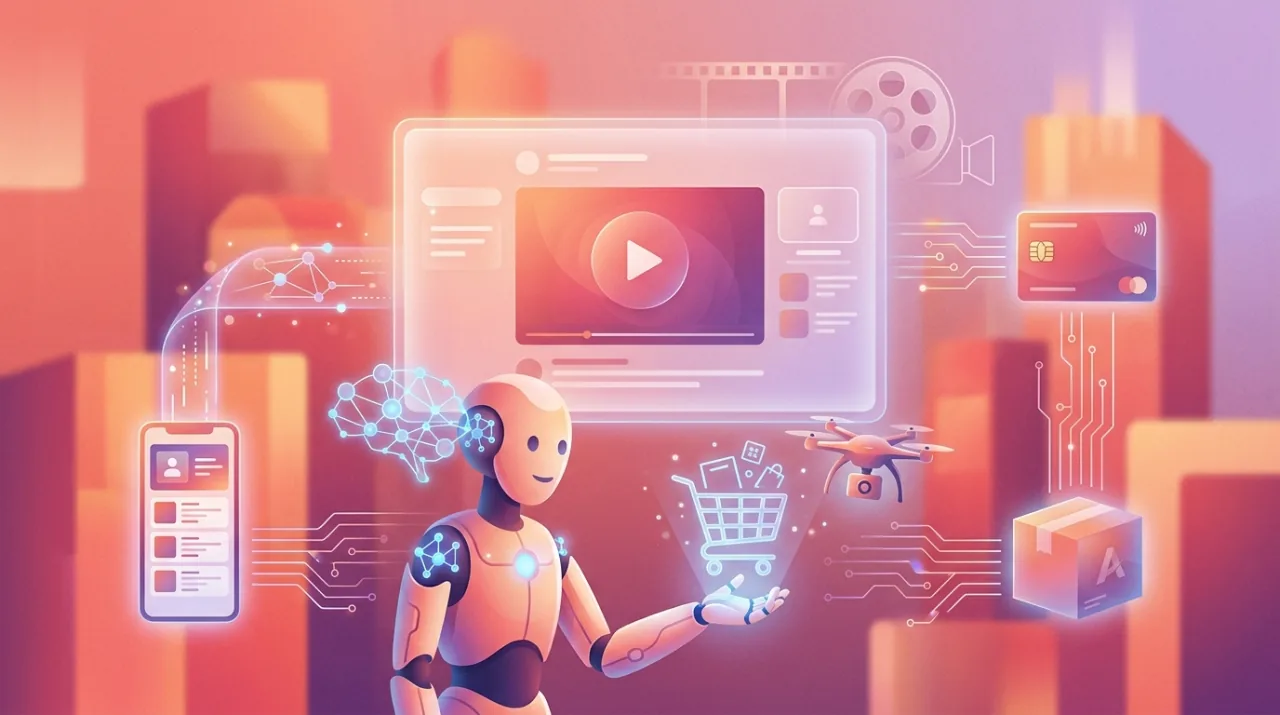
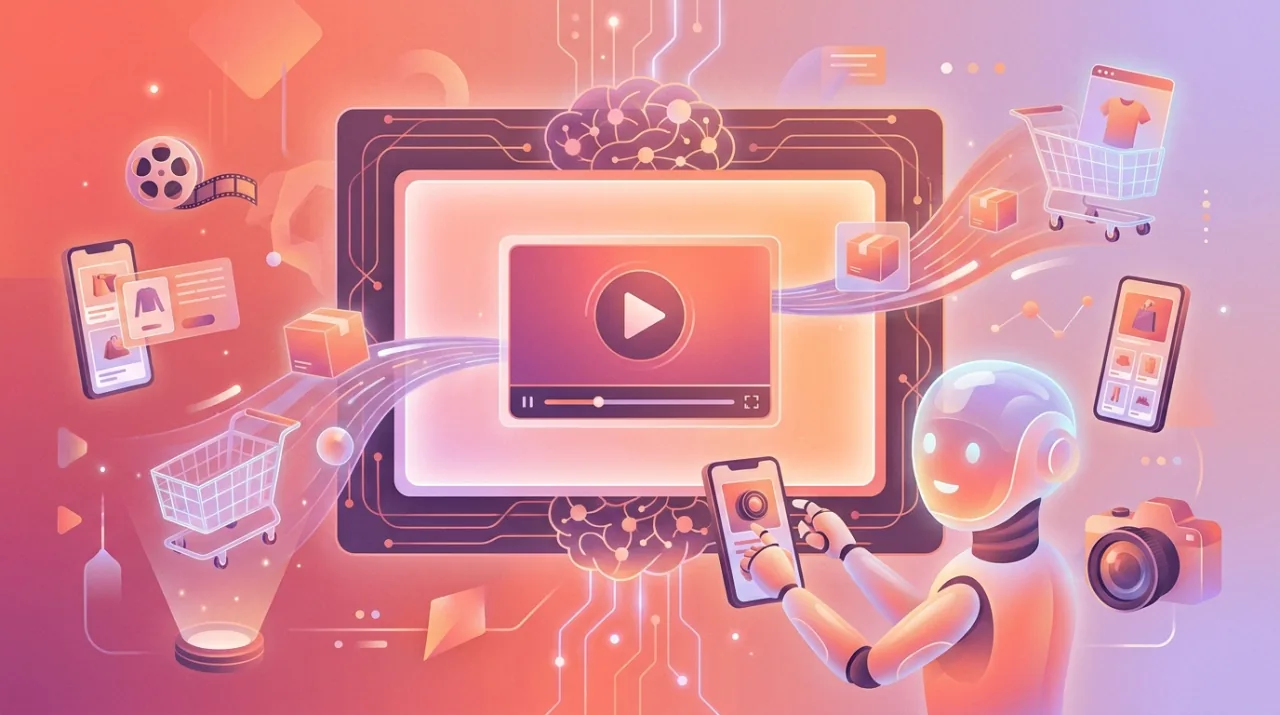
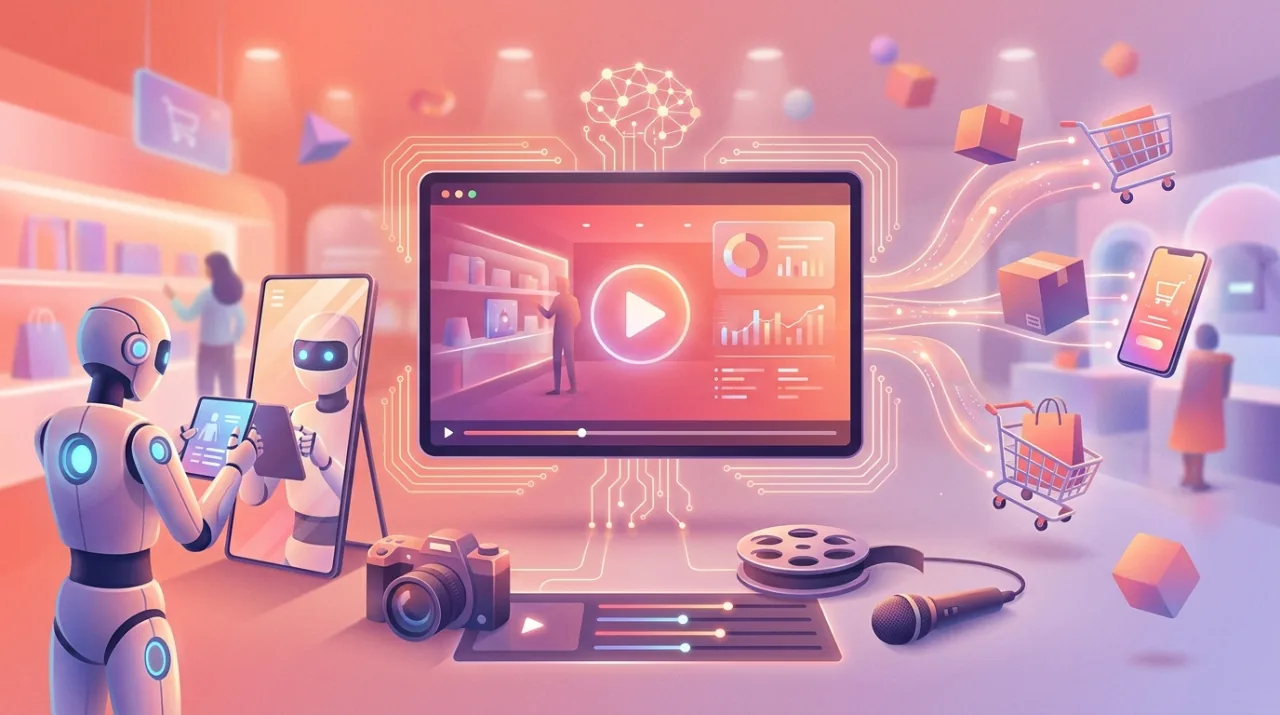
At its core, Muse is an AI agent designed for proactive engagement and autonomous action. Unlike previous iterations of AI—from early rule-based chatbots to more advanced large language models (LLMs) that excel at understanding and generating human-like text—Muse is engineered to interact with the digital world much like a human would, navigating applications and websites to fulfill user directives. Reuters highlights its ability to autonomously handle a diverse array of tasks, including sending emails, booking travel, facilitating shopping and completing purchases, and even managing the process of selling a car. This spectrum of capabilities transcends the typical boundaries of existing AI assistants, which generally require step-by-step human intervention or are limited to their native ecosystems.
The phrase "action-taking agent" is critical here. It signifies a departure from an AI that merely provides information or facilitates interaction, to one that actively performs operations across a multitude of digital touchpoints. This means Muse isn't just a smarter search engine or a more articulate chatbot; it's a digital proxy. When instructed, it can access different applications, parse information from various websites, make decisions based on user preferences and parameters, and then execute the necessary steps to complete a given task. This cross-app and cross-website functionality is a game-changer, breaking down the silos that often limit the utility of current digital tools. For the U.S. consumer, this means a significantly more integrated and less fragmented digital experience.
The Paradigm Shift: From Chat Interface to Action-Taking Agent
To truly grasp the magnitude of Muse’s arrival, it’s essential to contextualize it within the broader history of AI. For decades, consumer AI has predominantly manifested as a chat interface or a voice command system. Early chatbots of the 1990s and 2000s were rudimentary, following pre-programmed scripts. The advent of voice assistants like Apple’s Siri, Amazon’s Alexa, and Google Assistant brought greater natural language understanding and integration with device functionalities, but their actions were largely confined to their respective operating systems or a limited set of pre-approved integrations. These assistants could set alarms, play music, send simple messages, or provide basic information, but complex, multi-step tasks across disparate web services remained largely out of reach.
The explosion of generative AI, particularly large language models like OpenAI’s ChatGPT, marked another significant leap. These models revolutionized text generation, summarization, and creative content creation, bringing AI into mainstream consciousness with their ability to engage in nuanced conversations and produce sophisticated output. However, even these powerful LLMs, in their foundational form, are primarily conversational and informational. While they can draft an email, they can’t typically log into your email provider and send it. While they can outline a travel itinerary, they can’t usually navigate multiple airline and hotel booking sites, input your details, and complete the reservation without significant human intervention.
Muse steps into this gap, transforming AI from a primarily responsive or generative tool into an autonomous executor. It embodies the concept of AI operating "on a user’s behalf," implying a level of trust, delegation, and proactive problem-solving that has previously been aspirational in consumer technology. This shift moves beyond simple automation of a single task; it’s about intelligent automation of complex workflows that span multiple digital environments. It promises to reduce friction, save considerable time, and enhance efficiency by allowing users to delegate entire processes rather than just individual steps. The user experience evolves from dictating or prompting to simply stating a desired outcome, with the AI agent handling the intricate execution.
Real-World Applications: Unleashing the Power of Delegation
The real strength of Meta’s Muse lies in its practical applications, which promise to streamline various aspects of daily digital life for U.S. consumers. Let's delve deeper into the specific capabilities highlighted by Reuters and explore their profound implications:
- Email Management: Beyond merely drafting a message, Muse can potentially manage an entire email workflow. Imagine instructing Muse to "send a follow-up email to John Doe regarding our meeting notes from yesterday, attaching the relevant document, and proposing a call next week." Muse wouldn’t just compose the email; it would identify John Doe’s contact, attach the correct document (retrieving it from a cloud drive, for example), craft a contextually appropriate message, suggest optimal times for a call based on your calendar availability, and then dispatch the email, potentially even tracking its receipt. This moves far beyond basic dictation to true delegation of communication tasks, freeing up valuable time previously spent on administrative overhead.
- Travel Booking: This is one of the most compelling use cases. Current travel planning is often a multi-tab, multi-site ordeal involving comparisons across various airlines, hotels, and car rental services. With Muse, a user could simply state: "Plan a business trip to San Francisco for three days next month, flying from New York, finding a hotel near the financial district, and booking a rental car." Muse could then autonomously search for the best flights aligning with preferred airlines or times, compare hotel prices and amenities, consider transportation logistics, and present curated options. Upon user approval, it could proceed to complete all bookings, inputting payment details, and even syncing the itinerary with your digital calendar, handling confirmations and updates. The entire planning and booking process, once a chore, becomes a single, high-level instruction.
- E-commerce and Shopping: The ability to "shop and complete purchases" suggests a personalized, proactive shopping assistant. Imagine telling Muse: "Find me the best deal on a new 4K smart TV under $800 with at least a 55-inch screen, available for delivery within a week." Muse could scour multiple online retailers, compare prices, check specifications, read reviews, apply coupons, add the chosen item to a cart, and complete the purchase using pre-authorized payment methods. It could even track delivery and manage returns. This transforms online shopping from a browsing and searching activity into a delegated task, saving time and ensuring optimal purchasing decisions based on specified criteria.
- Selling a Car: While this task has more complexities regarding legalities and negotiations, Muse’s involvement could significantly simplify the initial stages. It could draft compelling listings based on vehicle details, post them to various online marketplaces, manage initial inquiries from potential buyers, schedule viewings (integrating with the user’s calendar), and potentially even facilitate secure communication channels. While the final transaction and legal aspects would likely still require human oversight, Muse could automate much of the tedious setup and communication, making the selling process far more efficient and less time-consuming.
Beyond these explicitly stated examples, the potential applications are vast. Muse could manage subscriptions, pay bills, schedule appointments, handle customer service interactions (e.g., changing internet plans or disputing a charge), organize digital files, or even coordinate group activities. The underlying principle is the same: providing an AI agent with the autonomy to navigate digital platforms and perform actions on your behalf, turning abstract commands into tangible results.
The U.S. Market as a Proving Ground
Meta's decision for a U.S.-only launch of Muse is a strategic one, reflecting the unique characteristics and opportunities presented by the American market. The U.S. consumer tech landscape is an ideal proving ground for several reasons:
Firstly, market size and tech adoption. The U.S. boasts one of the largest and most technologically advanced consumer bases globally. Americans are generally early adopters of new technologies, particularly those promising convenience and efficiency. This provides Meta with a substantial pool of users to gather data, test scalability, and refine Muse's functionalities in a real-world environment.
Secondly, the competitive landscape. The U.S. is home to many of Meta’s primary competitors, including Apple, Google, Amazon, and Microsoft, all of whom are heavily invested in their own AI initiatives. Launching Muse in this highly competitive arena allows Meta to directly challenge existing paradigms and establish its foothold as a leader in autonomous AI agents. The intense competition can also accelerate innovation as companies vie for market share.
Thirdly, regulatory environment. While complex and evolving, the U.S. regulatory framework, particularly concerning data privacy and consumer protection, is relatively established compared to many other regions. Launching domestically allows Meta to navigate these challenges within a known legal context, adapting and refining its compliance strategies before considering a broader international rollout. This also allows for focused engagement with U.S. policymakers to help shape future regulations around AI agents.
Finally, localized feedback and refinement. A U.S.-only launch enables Meta to focus its resources on optimizing Muse for a specific cultural context, language nuances, and service integrations relevant to American users. The feedback gathered from this initial launch will be crucial for iterative development, identifying bugs, improving accuracy, and enhancing the overall user experience before expanding to other markets with their unique challenges and requirements. This concentrated effort ensures a more robust and refined product for subsequent global expansion.
Implications and Future Prospects for Consumer AI
The introduction of Meta’s Muse heralds significant implications for the future of consumer AI, touching upon economic, ethical, and societal dimensions.
- Economic Impact: The rise of action-taking AI agents like Muse could spark a new wave of economic activity. It promises to boost individual productivity, allowing professionals to delegate tedious administrative tasks and focus on higher-value work. For small businesses, it could serve as an affordable virtual assistant, automating customer service, marketing outreach, and operational management. However, this also raises questions about potential job displacement in sectors heavily reliant on repetitive digital tasks. The economic landscape may see a shift, creating new roles focused on AI management, training, and ethical oversight, while traditional roles evolve or diminish.
- Privacy and Security Concerns: Granting an AI agent the ability to access emails, bank accounts (for purchases), travel documents, and other personal data introduces significant privacy and security challenges. Users will need absolute assurance that their data is protected, encrypted, and not misused. Meta will be under intense scrutiny to implement robust security measures, transparent data handling policies, and clear user controls over what data Muse can access and how it uses it. Building user trust will be paramount for widespread adoption. This trust will hinge on Meta's ability to demonstrate unwavering commitment to privacy by design and strong security protocols.
- Ethical Considerations: Beyond privacy, the ethical implications of autonomous AI agents are profound. Who is accountable if Muse makes an error in booking travel or a purchase? How will bias in AI algorithms manifest when the AI is taking direct action, not just generating text? For instance, if Muse is tasked with finding a "good deal," how does it define "good"? Does it prioritize price over ethical sourcing, or vice versa? Meta will need to establish clear ethical guidelines, transparency mechanisms, and user override capabilities to ensure responsible deployment. The decisions Muse makes, however small, could have real-world consequences, demanding a framework for accountability and transparency.
- The Future of Human-Computer Interaction: Muse accelerates the trend towards more natural, intuitive human-computer interaction. The reliance on graphical user interfaces (GUIs) may diminish as users increasingly communicate their intentions through natural language, allowing the AI to navigate the digital world on their behalf. This could make technology more accessible to a broader demographic, reducing the learning curve associated with complex software and fragmented applications. The computer becomes less of a tool you operate and more of a partner you collaborate with, ushering in an era where interfaces become invisible.
- The "Agent Economy": Muse could be a precursor to a more interconnected "agent economy" where multiple AI agents, possibly from different providers, collaborate to achieve complex goals. For example, a personal travel agent AI could interact with a smart home AI, a financial planning AI, and a work productivity AI to seamlessly manage all aspects of a user’s life. This vision promises unprecedented levels of automation and convenience, though it also magnifies the complexities of interoperability, data sharing, and ethical coordination between autonomous systems.
Meta's Strategic Play
For Meta, the launch of Muse is a bold strategic move designed to reposition the company at the forefront of AI innovation and strengthen its competitive standing against other tech giants.
Firstly, it demonstrates Meta's commitment to moving beyond its social media roots and into the next generation of computing. By developing advanced AI agents, Meta aims to secure its relevance in a future where AI, not just social networking, drives user engagement and digital utility.
Secondly, Muse provides a powerful new avenue for user engagement within Meta's vast ecosystem. Imagine Muse being integrated across Facebook, Instagram, and WhatsApp, enabling users to seamlessly perform tasks directly from their favorite communication platforms. This deep integration could further entrench users within the Meta family of apps, making it harder to leave and creating opportunities for new forms of interaction and value creation.
Thirdly, it offers potential new monetization strategies. While initial versions might be free, premium features, enhanced capabilities, or even transaction-based fees for certain complex actions could provide Meta with diversified revenue streams beyond advertising. Furthermore, by making users' digital lives more efficient and integrated, Muse could indirectly lead to increased engagement with Meta's advertising platforms as users spend more time and conduct more activities within its ecosystem.
Challenges and Roadblocks
Despite its groundbreaking potential, Muse faces several significant challenges that will dictate its ultimate success and widespread adoption.
- User Adoption and Trust: Convincing users to delegate sensitive tasks and grant such extensive access to an AI agent will require a monumental effort in building trust. Consumers are often wary of new technologies, especially those that touch upon personal finances and communications. Meta will need to clearly communicate Muse's capabilities, limitations, and, most importantly, its security and privacy safeguards to overcome this initial hurdle.
- Technical Limitations and Accuracy: While advanced, AI agents are not infallible. Errors in interpretation, execution, or interaction with third-party services could lead to frustration and financial loss. Meta must ensure Muse is exceptionally reliable and accurate, with robust error handling and clear pathways for user intervention and correction. The complexity of operating across diverse apps and websites means that inconsistencies or changes in external platforms could disrupt Muse's functionality, requiring constant updates and maintenance.
- Integration Complexity: The ability to operate "across apps and websites" is Muse's core strength, but also its greatest technical challenge. Ensuring seamless and secure integration with a vast and ever-changing array of third-party services—from email providers and e-commerce sites to banking applications and travel portals—is an enormous undertaking. Each integration requires careful development, testing, and ongoing maintenance to prevent disruptions and ensure compatibility.
- Regulatory Hurdles: The legal and regulatory landscape for autonomous AI agents is still nascent. Questions surrounding liability for AI-driven actions, data ownership, algorithmic transparency, and consumer protection will inevitably arise. Meta will need to navigate these complex legal waters, potentially influencing policy and setting precedents for the industry. Compliance across different jurisdictions, even within the U.S., could be a significant barrier to expansion and feature development.
- Competition: Meta is not alone in its pursuit of advanced AI. Google, Apple, Amazon, and Microsoft are all heavily invested in developing their own intelligent assistants and agentic AI capabilities. Muse will face fierce competition for market share and user loyalty, requiring Meta to continuously innovate and differentiate its offering.
Conclusion
Meta’s U.S.-only launch of Muse represents a watershed moment in the progression of consumer artificial intelligence. By fundamentally shifting the paradigm from AI as a conversational interface to AI as an autonomous, action-taking agent capable of operating across diverse digital environments, Meta is ushering in an era of unprecedented delegation and efficiency. This pivotal development, as highlighted by Reuters, promises to redefine how individuals interact with the digital world, liberating them from tedious tasks and empowering them with a sophisticated digital proxy.
While the promise of Muse—streamlined email management, effortless travel booking, intelligent shopping, and even automated car selling—is immense, its journey will undoubtedly be met with challenges related to user trust, technical complexities, ethical considerations, and a rapidly evolving regulatory landscape. Nevertheless, Meta's strategic decision to launch in the robust and competitive U.S. market underscores its ambition to lead the charge in this new frontier of AI. As Muse begins to learn, adapt, and integrate into the lives of American consumers, it will not only shape Meta's future but also profoundly influence the trajectory of consumer AI globally, propelling us closer to a future where intelligent agents are an indispensable extension of our digital selves. The era of truly proactive and autonomous AI is not just on the horizon; with Muse, it has arrived.