
Microsoft's Super App: The Future of Unified AI for Americans
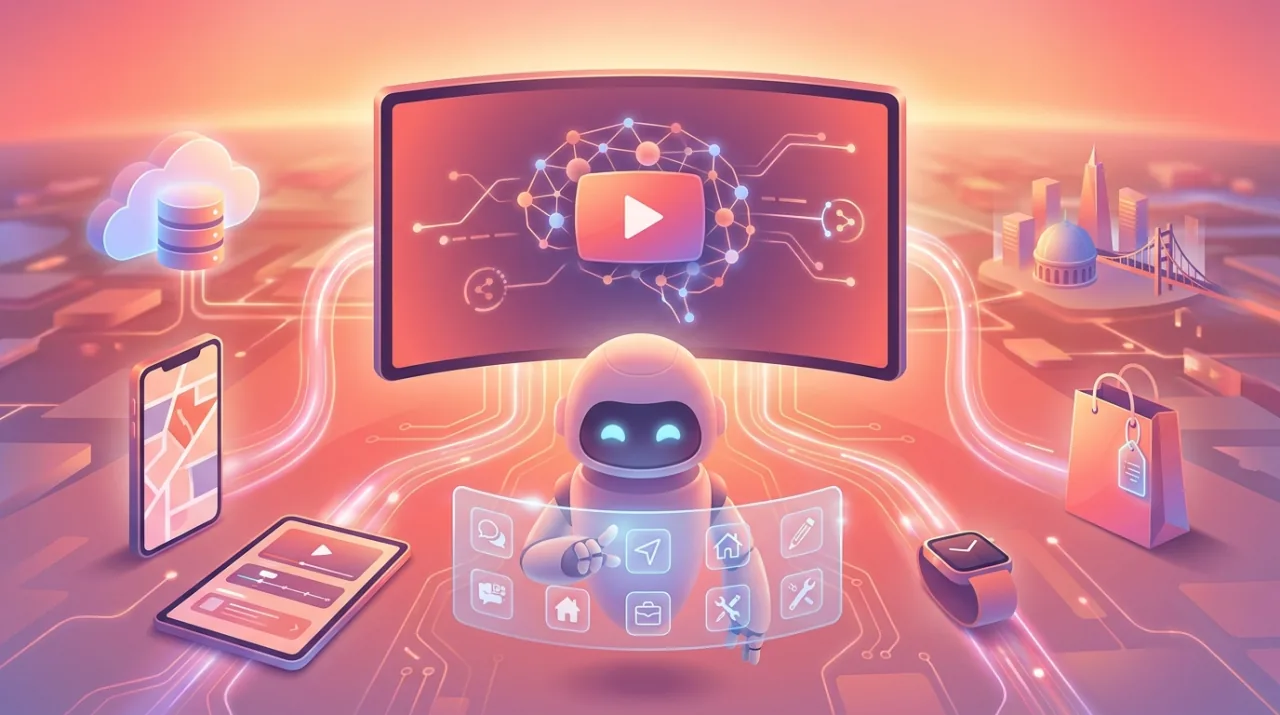
The year 2026 marks a significant turning point in the evolution of artificial intelligence, particularly for consumers in the United States. Amidst a flurry of innovations and strategic maneuvers by tech giants, one development stands out as profoundly impactful, signaling a fundamental shift in how Americans will interact with AI. This pivotal moment, observed in late August 2026, is Microsoft’s strategic initiative to merge its distinct consumer and business Copilot applications into a singular, unified “Super App” foundation. This move is not merely an update; it is a bold declaration of intent, redefining the future of consumer AI by emphasizing unity, stickiness, and comprehensive workflow ownership.
This strategic consolidation by Microsoft represents far more than just an integration of features. It symbolizes a profound architectural change, pivoting away from fragmented AI tools towards a holistic, intelligent agent designed to seamlessly navigate the complexities of both personal and professional digital lives. For the U.S. consumer market, this portends an era where AI is no longer a collection of disparate utilities but a cohesive, ever-present digital companion.
The significance of this development, as highlighted by industry analysts in late August 2026, cannot be overstated. It is the most promising AI-agents-related story from today’s context for several compelling reasons, each pointing towards a more integrated, efficient, and ultimately sticky AI future for the American public.
The Super App Vision: Unifying Disparate AI Experiences
To truly grasp the magnitude of Microsoft's decision, one must first understand the concept of an "AI Super App." Traditionally, a Super App, prevalent in regions like Asia, is a single mobile application that provides multiple services, often including messaging, social media, payments, and various e-commerce functions. In the context of AI, Microsoft is reinterpreting this concept, envisioning a single intelligent interface that not only hosts a multitude of services but intelligently orchestrates them across both personal and professional domains.
The problem Microsoft is solving is AI fragmentation. Over the past few years, consumers and businesses alike have been inundated with a proliferation of AI tools: chatbots for customer service, AI assistants for writing emails, image generators for creative tasks, research tools for data analysis, and so on. Each of these often operates in its own silo, requiring users to switch contexts, re-enter information, and learn different interfaces. This fragmentation leads to cognitive overload, inefficiency, and ultimately, user fatigue.
Microsoft's historical strength lies in its ecosystem dominance, particularly in productivity with Windows and Microsoft 365. By merging the consumer and business iterations of Copilot, they are leveraging this strength to create an AI experience that transcends the traditional boundaries between work and personal life. Imagine a single Copilot instance that, during your workday, assists in drafting a complex business proposal, summarizing lengthy corporate reports, and scheduling team meetings. Then, as your workday concludes, the same Copilot seamlessly transitions to helping you plan a family vacation, find the best deals for groceries, or manage your personal finances, all within a familiar, consistent interface.
This seamless transition is crucial for enhancing "stickiness." When an AI assistant becomes an indispensable part of every aspect of a user's digital life, the likelihood of that user leaving the ecosystem diminishes significantly. For US consumers, who increasingly demand convenience and efficiency, a unified AI that understands context across their varied activities represents a significant leap forward in digital interaction. This isn't just about integrating apps; it's about integrating the user's entire digital persona under one intelligent umbrella. This move by Microsoft essentially transforms Copilot from a suite of helpful tools into a fundamental operating layer for digital existence.
The Agentic Interface: Redefining Interaction with AI
At the heart of Microsoft's Super App strategy is the development of a truly "agentic interface." This goes far beyond the simple chat-based interactions that characterized earlier generations of AI assistants. An agentic interface is characterized by its ability to understand complex requests, reason about them, break them down into smaller tasks, and execute those tasks autonomously across multiple applications and services. It's about AI moving from merely responding to prompts to proactively assisting and even anticipating needs.
1. Advanced Conversational Capabilities (Chat): While chat remains a primary mode of interaction, the agentic interface elevates it. Copilot will be able to maintain context across extended conversations, drawing upon knowledge from both work documents and personal communications. For instance, a US user could ask Copilot to "summarize the key findings from last quarter's sales report and then draft an email to the team highlighting these points," followed by "and also, what's the best route to the gym from my house considering current traffic?" The agent understands the shift in context and leverages relevant information from different data sources.
2. Integrated Research: The Super App foundation promises unparalleled research capabilities. For professionals, Copilot can scour internal company databases, external web sources, and proprietary documents to synthesize complex information, generate reports, and even perform competitive analysis. For consumers, it can similarly research product reviews, compare prices across e-commerce sites, gather information for home improvement projects, or plan complex travel itineraries, presenting summarized, actionable insights rather than just raw data. This integrated research capability drastically reduces the time and effort users typically spend gathering information from disparate sources.
3. Autonomous Task Execution: This is perhaps the most revolutionary aspect of the agentic interface and where the true power of the Super App emerges. The AI is empowered to not just provide information but to take action.
- Business Tasks: Imagine Copilot autonomously scheduling a meeting by checking team members' calendars, finding a suitable time, sending invites, and even pre-populating a meeting agenda based on recent project discussions. It could generate expense reports by cross-referencing receipts and company policies, manage project timelines by updating tasks in project management software, or even draft initial legal documents by integrating with specialized platforms. This level of automation frees up significant human capital for more creative and strategic endeavors.
- Consumer Tasks: On the personal front, the possibilities are equally transformative. Copilot could book a doctor's appointment after checking your schedule and preferred clinic, manage your smart home devices by adjusting lighting or thermostat settings based on your routine, create personalized shopping lists by integrating with your pantry inventory and dietary preferences, or even assist with personal finance management by tracking spending and suggesting budget adjustments. The AI acts as a personal chief of staff, executing a myriad of mundane tasks that typically consume valuable time and mental energy.
The underlying magic of this agentic system lies in its ability to orchestrate multiple services and APIs, both Microsoft’s own and those of third-party developers. It learns user preferences, habits, and contexts across all these interactions, building a robust digital memory that makes its assistance increasingly personalized and proactive. This deeply personalized, context-aware assistance is what transforms a simple tool into an indispensable digital agent.
The 2026 Trend: Always-On, Multi-Surface Assistants
Microsoft's Super App strategy for Copilot is not an isolated initiative; it reflects and accelerates a broader trend observed throughout 2026: the proliferation of always-on, multi-surface AI assistants. The era of standalone applications and single-device AI experiences is rapidly waning. Consumers and businesses in the US are increasingly expecting their AI to be omnipresent, seamlessly transitioning across devices and contexts, anticipating their needs rather than merely responding to explicit commands.
1. Always-On Intelligence: The concept of "always-on" signifies that AI is no longer something you actively invoke and then dismiss. Instead, it operates in the background, continuously monitoring relevant data streams, learning patterns, and being ready to assist at any moment. For example, Copilot might proactively alert a user about a traffic delay on their commute, having already checked their calendar and identified the next appointment. Or it could suggest a relevant document for review based on the current email conversation, without being explicitly asked. This anticipatory intelligence enhances productivity and reduces friction in daily workflows.
2. Multi-Surface Integration: This refers to the AI's ability to operate fluidly across various hardware and software interfaces:
- PC/Laptop: Deep integration with the Windows operating system and Microsoft 365 productivity suite remains a core strength. Copilot becomes an inherent part of the computing experience, accessible from any application.
- Mobile Devices: Robust iOS and Android applications, complete with widgets and deep system integration, ensure Copilot’s presence on the most personal devices. This means quick access to AI assistance on the go, whether for checking emails, getting directions, or managing smart home devices.
- Wearables: As smartwatches and, increasingly, augmented reality (AR) glasses become more sophisticated, Copilot’s presence on these surfaces offers ambient, glanceable information and hands-free interaction. Imagine getting a subtle notification on your smartwatch about an upcoming task that Copilot has already prepped for you, or having AI-powered contextual information overlaid on your vision via AR glasses.
- Smart Home Devices: Integration with voice assistants and smart displays allows for natural language interaction with Copilot for home management, entertainment, and information retrieval, solidifying its role as a central hub for personal life.
This shift from discrete apps to ambient intelligence means that the user experience becomes incredibly fluid. A US consumer might start drafting an email on their laptop with Copilot's help, continue editing it on their phone during a commute, and then receive a summary of replies via their smartwatch, all orchestrated by the same intelligent agent. This level of integration is what truly defines the 2026 trend and what Microsoft's Super App aims to epitomize.
The competitive pressure in this space is immense. Google continues to push its Gemini AI across its vast ecosystem, from Android to Google Workspace and its smart home devices. Apple is enhancing Siri's capabilities and integrating AI more deeply into iOS and macOS. Amazon is evolving Alexa beyond a simple voice assistant. Microsoft’s Copilot Super App is a direct response, aiming to carve out a dominant position by offering a more unified and seamless cross-platform experience than its rivals, particularly by blurring the lines between professional and personal use cases.
The New Battleground: Distribution and Workflow Ownership
While the quality and sophistication of AI models remain crucial, Microsoft’s move unequivocally signals that the next major battleground in the AI arena is not merely model quality alone, but rather distribution and workflow ownership. In an increasingly commoditized AI model landscape, where access to powerful foundational models becomes widespread, the differentiator will be how that AI is delivered to users and how deeply it integrates into their daily workflows.
1. Unparalleled Distribution: Microsoft holds an enviable position with its vast install base. Windows remains the dominant desktop operating system globally and in the US. Microsoft 365 (formerly Office 365) is ubiquitous in both corporate and educational settings. The company also has significant reach through LinkedIn (professional networking), Xbox (gaming and entertainment), and its enterprise cloud services (Azure). Integrating Copilot into the foundation of these widely adopted platforms provides an unparalleled distribution channel, virtually guaranteeing exposure to billions of users. This eliminates the need for users to seek out or download yet another AI app; Copilot will simply be there, embedded in the tools they already use every day.
2. Workflow Ownership: This is the strategic crux of the Super App. By merging consumer and business Copilot, Microsoft aims to capture and own the entire digital workflow of its users, from the moment they boot up their computer for work to when they unwind with personal tasks in the evening.
- Capturing the User's Journey: If Copilot can assist with brainstorming ideas, drafting documents, managing emails, scheduling meetings, analyzing data at work, and then transition to helping with personal finance, travel planning, smart home management, and online shopping, it effectively becomes the central orchestrator of a user's digital life. This creates a powerful lock-in effect, as switching to another AI solution would mean dismantling a deeply integrated and personalized system.
- The Power of Being the Default: When AI is seamlessly integrated into operating systems and core productivity suites, it gains the immense advantage of being the default option. Most users will stick with the path of least resistance, especially when the default offers a comprehensive and intelligent experience. This entrenches Copilot as the primary AI interaction point for a significant portion of the US digital population.
- Impact on Independent Developers: While Microsoft's platform is open to third-party integrations, the dominance of a Super App model poses challenges for smaller, independent AI developers. They must either integrate into the Super App ecosystem or carve out highly specialized niches to compete. This could lead to a consolidation of the AI market around a few major players who control the distribution and workflow layers.
- Monetization Strategies: Workflow ownership enables diverse monetization strategies. Beyond traditional subscription models for Copilot Pro, Microsoft can leverage insights from comprehensive user data (with appropriate privacy safeguards) to offer highly targeted services, facilitate e-commerce transactions, and drive adoption of its other products and services. The value shifts from selling individual AI features to owning the entire intelligent layer of digital interaction.
For the US tech market, this strategy raises important questions about market dominance and fair competition. As antitrust discussions continue to evolve in Washington, D.C., the power of workflow ownership by a single entity like Microsoft will undoubtedly be a topic of scrutiny. Nevertheless, the strategic importance of this move is undeniable; it positions Microsoft to be the orchestrator of the future of digital work and life.
Impact on US Consumers and Businesses: A Paradigm Shift
Microsoft's Copilot Super App is poised to catalyze a paradigm shift for both consumers and businesses across the United States. Its implications are broad, touching upon efficiency, privacy, work culture, and personal autonomy.
For Consumers:
- Pros:
- Unprecedented Convenience and Efficiency: Consolidating AI functionalities means less app switching, fewer logins, and a more streamlined digital experience. Tasks that once required multiple steps and tools will be simplified, saving time and reducing cognitive load.
- Hyper-Personalized Assistance: With a comprehensive view of a user's digital life, Copilot can offer truly personalized recommendations and proactive assistance, making digital interactions feel more intuitive and natural.
- Reduced Cognitive Load: By handling mundane, repetitive tasks, the AI frees up mental energy, allowing individuals to focus on more creative, strategic, or personally fulfilling activities.
- Enhanced Accessibility: For users with disabilities, an integrated, voice-controlled, and context-aware AI can significantly improve digital accessibility, simplifying complex tasks and navigating interfaces.
- Cons:
- Privacy Concerns: Consolidating vast amounts of personal and professional data under one AI umbrella raises significant privacy questions. While Microsoft has generally maintained a strong stance on data security, the sheer volume and scope of information gathered could be a point of apprehension for US consumers.
- Data Security Risks: A single, centralized AI system, while convenient, also represents a more attractive target for cyberattacks. The security of this Super App foundation will be paramount.
- Potential Over-Reliance: As AI becomes increasingly capable, there's a risk of users becoming overly reliant on it, potentially impacting critical thinking skills or the ability to perform tasks independently when AI is unavailable.
- "Walled Garden" Effect: While the aim is seamless integration, it also creates a powerful ecosystem that could make it harder for users to switch to competing platforms or integrate with non-Microsoft services, potentially limiting choice.
For Businesses:
- Pros:
- Enhanced Productivity and Efficiency: Businesses stand to gain enormously from an AI that seamlessly integrates into their existing Microsoft 365 workflows, automating tasks, streamlining communication, and accelerating decision-making.
- Streamlined Operations: From project management to customer service, Copilot can help optimize various business processes, leading to cost savings and improved operational efficiency.
- Better Decision-Making: By synthesizing vast amounts of data and providing actionable insights, Copilot can empower business leaders to make more informed and strategic decisions.
- Competitive Edge: Early adopters who effectively integrate Copilot into their operations could gain a significant competitive advantage by optimizing resources and fostering innovation.
- Industry-Specific Impacts: In sectors like US healthcare, Copilot could assist with patient record management, research, and administrative tasks; in finance, it could aid in data analysis and fraud detection; in retail, it could personalize customer experiences and optimize supply chains.
- Cons:
- Implementation Challenges: Integrating such a comprehensive AI solution into complex enterprise environments will require significant planning, IT resources, and employee training.
- Data Governance and Compliance: Businesses will need robust strategies for data governance, ensuring compliance with US regulations (e.g., HIPAA, CCPA, various industry-specific standards) regarding data privacy and security within the Copilot ecosystem.
- Employee Training and Adaptation: The shift to an AI-augmented workflow will necessitate significant employee training to maximize the benefits of Copilot and overcome resistance to new ways of working.
- Vendor Lock-in: Deep integration with Microsoft's Super App could lead to increased vendor lock-in, making it harder and more costly for businesses to transition to alternative solutions in the future.
The changing digital habits of Americans are at the forefront of this transformation. From how they manage their professional calendars to how they plan their weekend activities, the Super App aims to be the invisible thread weaving through every interaction, promising a future where technology truly anticipates and serves our diverse needs.
Challenges, Ethical Considerations, and the Road Ahead
While the vision for Microsoft’s Copilot Super App is compelling, its realization will undoubtedly face a multitude of challenges, encompassing technical hurdles, user adoption, and profound ethical considerations.
1. Technical Hurdles:
- Seamless Integration at Scale: Merging consumer and business AI models, data sets, and functionalities into a truly unified, performant, and reliable foundation across a vast array of devices and platforms is an immense engineering feat.
- Maintaining Performance and Responsiveness: As Copilot takes on more complex tasks and processes larger volumes of data, ensuring it remains fast, accurate, and responsive will be critical for user satisfaction.
- Managing Complexity: The sheer complexity of an AI system that orchestrates countless services and adapts to diverse user contexts will require robust architecture, continuous development, and rigorous testing.
2. User Adoption and Trust:
- Overcoming Resistance to Change: While some will embrace the new paradigm, others may be hesitant to entrust so much of their digital life to a single AI. Microsoft must effectively demonstrate tangible value and ease of use to drive widespread adoption.
- Building and Maintaining Trust: Trust is paramount. Users must trust that Copilot is secure, private, and acts in their best interest. Any missteps in data handling or AI performance could severely undermine this trust.
3. Ethical AI:
- Bias and Fairness: As Copilot analyzes vast amounts of data and makes recommendations or automates decisions, ensuring its algorithms are free from harmful biases (whether racial, gender, or socioeconomic) will be a continuous, critical challenge. Microsoft’s commitment to responsible AI must be rigorously applied.
- Transparency and Explainability: Users and businesses will need to understand how Copilot arrives at its conclusions or performs certain actions. The "black box" problem of AI needs to be addressed through greater transparency and explainability.
- Accountability: Establishing clear lines of accountability when an AI agent makes an error or produces undesirable outcomes will be crucial, particularly in sensitive business or personal contexts.
4. Privacy and Security:
- Protecting Vast Amounts of Data: The Super App will handle an unprecedented volume of personal and business data. Implementing state-of-the-art security measures to protect against breaches and ensuring compliance with evolving data privacy regulations (both federal and state in the US) will be a continuous and paramount responsibility.
- User Control Over Data: Providing clear and robust mechanisms for users to control their data, privacy settings, and the extent of Copilot's access will be essential for building trust and ensuring user autonomy.
5. Competition:
- The Ongoing AI Arms Race: Microsoft's move will undoubtedly intensify competition with other tech giants like Google, Apple, Amazon, and Meta, who are all vying for dominance in the AI space. This will lead to further innovation but also intense market battles.
- Regulatory Scrutiny: As the power and reach of such an AI Super App grow, so too will the scrutiny from regulatory bodies in the US and globally, particularly concerning antitrust, data privacy, and market practices.
6. Future Iterations:
The Super App foundation sets the stage for even more advanced AI capabilities. We can anticipate hyper-personalization, where the AI anticipates needs with even greater accuracy; proactive AI that initiates actions based on complex contextual understanding; and potentially, further integration with embodied AI through robotics or advanced AR/VR interfaces.
Conclusion: Microsoft's Bold Bet on the Unified AI Future
In late August 2026, Microsoft’s initiative to merge its consumer and business Copilot apps into a single "Super App" foundation stands as the most important US-centric consumer AI story. It is a decisive move that reshapes the trajectory of artificial intelligence, transitioning from a fragmented landscape of specialized tools to a powerful, unified, and truly intelligent digital companion.
This strategic pivot addresses the core challenges of AI adoption by delivering a singular agentic interface capable of spanning chat, sophisticated research, and autonomous task execution across both professional and personal domains. It perfectly aligns with the broader 2026 trend towards always-on, multi-surface assistants, ensuring that AI is not just a feature, but an ambient, integrated layer of the digital experience, accessible from any device.
Crucially, this development underscores that the next battleground for AI dominance is not solely about superior model quality, but fundamentally about distribution and workflow ownership. By leveraging its vast ecosystem and integrating Copilot into the very fabric of how millions of Americans work and live, Microsoft is making a bold bet on capturing and orchestrating the complete digital journey.
For US consumers, this promises an unprecedented level of convenience, personalization, and efficiency, albeit with important considerations around privacy and autonomy. For businesses, it heralds a new era of productivity and strategic advantage. The road ahead will be complex, filled with technical challenges, ethical considerations, and fierce competition. However, Microsoft’s audacious vision for a unified Copilot Super App lays down a definitive marker, signaling a transformative future where artificial intelligence becomes a seamless, indispensable, and deeply integrated part of the American digital experience. This is not just an evolution; it is a revolution in how we interact with technology, driven by a commitment to making AI truly unified and undeniably sticky.


